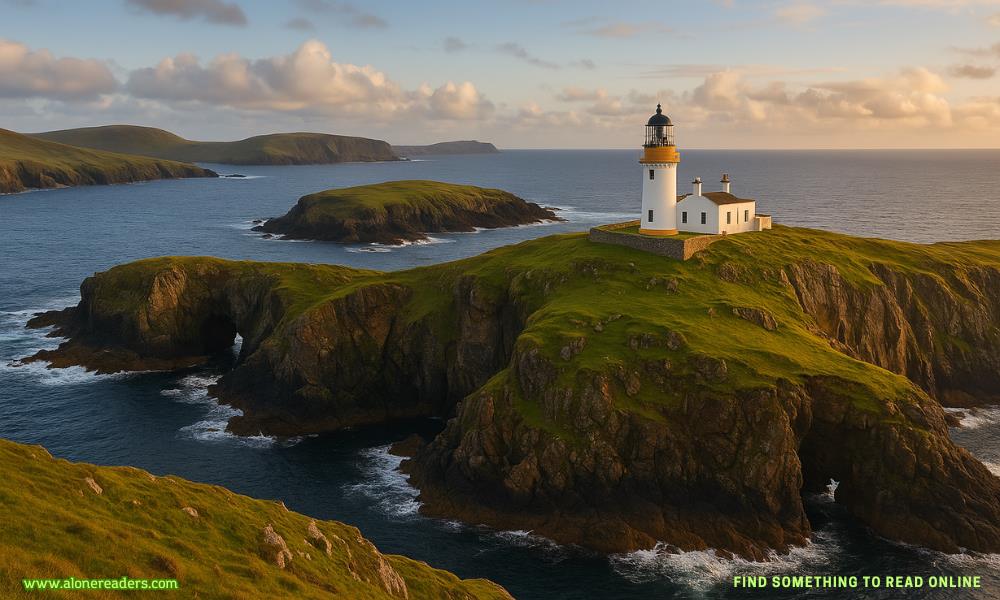
Perched on the northernmost edge of the United Kingdom, the Shetland Islands are a breathtaking archipelago where Scotland truly meets Scandinavia. Windswept cliffs, emerald pastures dotted with hardy Shetland ponies, dramatic seascapes, and ancient Norse history all await travelers willing to venture off the beaten track. Known for their untouched wilderness and unique blend of Scottish and Viking heritage, the Shetland Islands are a paradise for nature lovers, birdwatchers, history enthusiasts, and anyone seeking an adventure far from the crowds.
A Place Where Nature Reigns Supreme
The Shetland Islands are renowned for their wild beauty. Rugged coastlines, expansive moorlands, and pristine beaches provide a striking backdrop for exploration. Puffins, otters, seals, and orcas can often be spotted along the shores, while ancient archaeological sites hint at the islands’ fascinating past. The landscapes here are raw and unspoiled—perfect for photographers and outdoor adventurers.
Unique Heritage and Culture
The islands are steeped in both Scottish and Norse traditions. From ancient brochs (Iron Age stone towers) to Viking longhouses and lively local festivals like Up Helly Aa—a fire festival featuring a torchlit procession and Viking longship burning—the Shetland Islands are rich in culture and history that set them apart from the rest of Scotland.
By Ferry
The most popular route to Shetland is via ferry from Aberdeen to Lerwick, the islands’ capital. NorthLink Ferries operates daily overnight sailings, taking around 12–14 hours. The journey itself can be an experience, offering views of the North Sea and, sometimes, even dolphins. Prices for a one-way trip start at around £40 for a reclining seat and £90–£120 for a basic cabin (per person).
By Air
Loganair offers direct flights from Aberdeen, Edinburgh, Glasgow, Inverness, and Kirkwall (Orkney) to Sumburgh Airport in Shetland. Flight times range from 1 to 2 hours. Round-trip flights usually cost between £160–£250 depending on season and departure city. The airport is about 25 miles from Lerwick, with regular bus services and taxis available.
Getting Around
A car is the best way to explore the islands. Car hire in Lerwick or Sumburgh starts at around £40–£60 per day. Public buses connect the main towns, but schedules can be limited, especially on Sundays.
Hotels and Guesthouses
Lerwick, the capital, offers the widest range of accommodations. Expect to pay:
Some popular options include The Shetland Hotel, The Lerwick Hotel, and Kveldsro House Hotel. Booking early is essential, especially during summer or festivals.
Self-Catering and Cottages
For a more secluded experience, consider renting a cottage or self-catering apartment. Prices range from £350–£600 per week for a two-bedroom cottage, depending on location and season. Websites like Shetland.org or Airbnb offer a good selection.
Hostels and Camping
Budget travelers can opt for the Islesburgh House Hostel in Lerwick (from £25–£35 per night). Wild camping is permitted under Scotland’s Outdoor Access Code—just be respectful of the environment and local communities.
Explore Lerwick
The charming town of Lerwick is the heart of Shetland. Wander along Commercial Street, visit the Shetland Museum and Archives, and explore the harbor, where colorful boats bob on the water. Don’t miss the historic Fort Charlotte or a stroll around the atmospheric old town.
Jarlshof Prehistoric and Norse Settlement
Located near Sumburgh, Jarlshof is one of Europe’s most remarkable archaeological sites. Here, you’ll find 4,000 years of history, from Neolithic dwellings to Viking longhouses and medieval farmsteads. Entry is about £7.50 for adults.
Sumburgh Head and the Puffins
Sumburgh Head is famous for its lighthouse and dramatic cliffs, where puffins nest from May to August. The Sumburgh Head Visitor Centre offers exhibits on wildlife and lighthouse history (admission around £7).
Unst – The UK’s Northernmost Isle
Take a ferry north to Unst, where you can visit the northernmost house in the UK, marvel at the remote Hermaness National Nature Reserve (home to gannets, puffins, and great skuas), and stand beside the full-scale replica Viking ship “Skidbladner.” The ferry from Toft to Unst costs about £6 per car and £2 per passenger.
St Ninian’s Isle
Famed for its stunning natural tombolo—a sandy causeway linking the island to mainland Shetland—St Ninian’s Isle is perfect for scenic walks and beachcombing. The island’s chapel ruins and the discovery site of the St Ninian’s Isle Treasure (now in the National Museum of Scotland) are highlights.
Wildlife Watching
The Shetland Islands are a hotspot for wildlife. Book a boat tour from Lerwick or Scalloway to see seals, otters, orcas, and, during summer, even whales. Trips start from £45 per person.
Walking and Hiking
Shetland offers countless trails with breathtaking coastal views. Some favorite hikes include the Eshaness Cliffs, Noss National Nature Reserve, and the hills around Northmavine. Most walks are free—just wear sturdy boots and bring layers for unpredictable weather.
Seafood Specialties
The islands are a haven for seafood lovers. Try Shetland mussels, scallops, crab, and salmon, all fresh from local waters. The Fish & Chip Shop in Lerwick, Frankie’s Fish & Chips in Brae, and the Scalloway Hotel Restaurant are favorites.
Traditional Shetland Dishes
Sample “reestit mutton” (salted and smoked lamb), bannocks (soft bread), and “sassermaet” (spiced sausage). Many cafes and pubs serve hearty local meals, often with a Scandinavian twist.
Where to Eat
Lerwick has the most choice, with everything from cozy cafes to upscale dining. For a local pint, try the Lerwick Brewery or a glass of gin from Shetland Reel distillery.
For a three-day trip, budget travelers could manage around £350–£450, while those seeking more comfort or activities should plan for £600–£800 or more.
Weather Preparedness
Shetland’s weather can be unpredictable—sunshine one minute, rain or mist the next. Always pack waterproofs, warm layers, and sturdy shoes. Summer days are long (with nearly 19 hours of daylight in June), but temperatures rarely exceed 15°C.
Transport and Services
Petrol stations, ATMs, and shops may be sparse outside Lerwick—plan ahead, especially in winter. Ferry schedules to smaller islands can be affected by weather, so check updates before traveling.
Wildlife and Outdoor Safety
Keep a safe distance from wildlife. Cliffs can be unstable, and weather can change rapidly—take care when hiking and let someone know your plans. Mobile signal is generally good but can be patchy in remote areas.
Local Etiquette
The Shetland community is welcoming but values privacy and respect for nature. Always follow the Scottish Outdoor Access Code: leave no trace, respect wildlife, and close gates behind you.
The Shetland Islands are a world apart—a place where wild nature, rich history, and warm island hospitality blend to create an unforgettable travel experience. Whether you’re seeking solitude on a windswept beach, encounters with rare wildlife, or the echoes of ancient Norse legends, Shetland is a true frontier worth the journey. With careful planning and a spirit of adventure, this wild corner of Scotland can be the trip of a lifetime.



 Unique Australian Wildlife and Where to Find Them: A Complete Travel Guide
 Island Hopping in the Philippines: Ultimate Travel Guide to Paradise Adventures
 Hong Kong Skyline: Best Spots for Stunning Panoramic Views
 The Enchanting Lijiang: A Complete Guide to Its Ancient Alleys, Culture, and Travel Costs
 San Diego: The Ultimate Family Vacation Destination (Beaches, Wildlife, and Budget-Smart Fun)
 Unveiling the Mysteries of the Kazan Kremlin: A Complete Travel Guide to Russia’s Historic Gem










