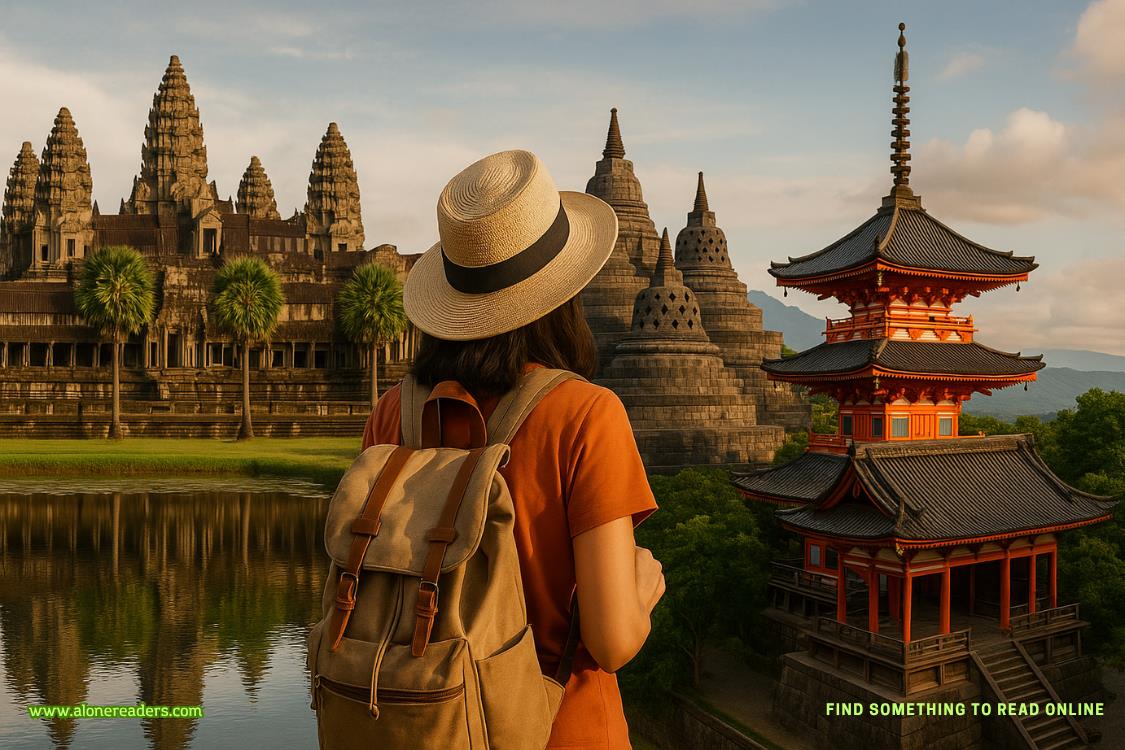
Asia is a continent layered with history, culture, and natural marvels—none more prestigious than those sites recognized by UNESCO for their outstanding universal value. From ancient temples shrouded in jungle to futuristic cityscapes that respect centuries-old traditions, Asia’s UNESCO World Heritage Sites are a testament to human achievement and the planet’s geological wonders. This guide goes beyond the basics, delving deep into what makes select sites exceptional, how to plan your visit, and expert insights to ensure a truly transformative experience.
The Criteria for Inscription
UNESCO selects World Heritage Sites based on ten stringent criteria, ranging from representing a masterpiece of human creative genius to containing superlative natural phenomena. In Asia, these include everything from the architectural complexity of Angkor to the unique biodiversity of the Western Ghats.
Cultural vs. Natural Sites in Asia
Asia hosts a majority of cultural sites—temples, palaces, historic cities—but also an increasing number of natural wonders, such as the Ha Long Bay or the Sundarbans.
Best Time to Visit
Climate in Asia is highly variable. For Angkor, visit between November and February to avoid monsoon rains. The Great Wall of China is best in spring or autumn for milder weather and fewer crowds. For tropical sites like Borobudur or Ayutthaya, early mornings help beat both heat and tourist rush.
Getting There and Around
Many UNESCO sites are in remote or rural areas, requiring careful planning. For example, to reach Bhutan’s Paro Dzong, you must first secure a tourist visa and book travel through an authorized agency, as independent travel is restricted.
Entrance Fees and Local Regulations
Entry fees vary widely. Some sites, such as Taj Mahal, have dual pricing for foreigners and locals. In protected natural areas like Komodo National Park, conservation fees support local initiatives and are strictly enforced.
Cultural Etiquette and Conservation
Respect local customs: dress modestly at religious sites (Angkor, Kyoto, Luang Prabang), avoid touching ancient carvings, and never remove artifacts, however small. Many sites now prohibit drones and commercial photography without permits.
Historical Significance
Once the capital of the Khmer Empire, Angkor’s temple complex—including Angkor Wat, Bayon, and Ta Prohm—embodies both Hindu and Buddhist art and architecture. The scale is staggering: Angkor Wat alone covers over 162 hectares.
Unique Experiences
Sunrise at Angkor Wat is legendary but crowded; for a quieter experience, cycle the “Grand Circuit” to see lesser-known temples like Preah Khan and Neak Pean. Hire a local guide for context on hidden iconography and recent archaeological discoveries.
Travel Logistics
Siem Reap serves as the gateway, with international flights and a wide range of accommodations. Purchase a multi-day temple pass for in-depth exploration.
Historical Significance
Kyoto was Japan’s capital for over a millennium. Its 17 UNESCO-listed monuments include iconic temples such as Kinkaku-ji (Golden Pavilion), Ginkaku-ji (Silver Pavilion), and the moss-covered Saihō-ji. These sites exemplify the pinnacle of Japanese religious and aesthetic traditions.
Unique Experiences
Attend a traditional tea ceremony at Ninna-ji or time your visit for cherry blossom season. Book a local cultural experience (ikebana, calligraphy) in the temple districts for deeper immersion.
Travel Logistics
Kyoto is accessible by Shinkansen from Tokyo or Osaka. The city has an excellent bus and subway network connecting the heritage sites, but walking or cycling through the historic districts provides a richer perspective.
Historical Significance
A mausoleum built by Mughal Emperor Shah Jahan in memory of his wife Mumtaz Mahal, the Taj is renowned for its perfect proportions and luminous marble. Its gardens, mosque, and gateway are integral to its UNESCO designation.
Unique Experiences
For a unique angle, visit Mehtab Bagh across the Yamuna River at sunset. Explore Agra Fort and Fatehpur Sikri, both UNESCO sites, to contextualize the Taj within Mughal history.
Travel Logistics
Agra is well-connected by train from Delhi. Security is strict: large bags and food are prohibited. Tickets can be booked online; arrive early to avoid long queues.
Historical Significance
Stretching over 20,000 kilometers, the Great Wall reflects millennia of Chinese military history and engineering prowess. Not a single wall but a complex system of fortifications, watchtowers, and natural barriers.
Unique Experiences
Choose your section wisely: Badaling is restored but crowded; Mutianyu is scenic and less touristy; Jiankou offers rugged, wild hiking for the adventurous.
Travel Logistics
Accessible from Beijing by bus or private car. Bring good footwear and prepare for steep climbs. Off-peak times (early morning, weekdays) provide the best experience.
Historical Significance
The world’s largest Buddhist monument, Borobudur, is a 9th-century Mahayana temple with nine stacked platforms adorned with 2,672 relief panels and 504 Buddha statues. It’s both a pilgrimage site and a masterpiece of Javanese Buddhist architecture.
Unique Experiences
Arrive before dawn for a sunrise ticket. After Borobudur, visit nearby Mendut and Pawon temples to complete the spiritual triangle. Participate in Vesak Day celebrations if visiting in May.
Travel Logistics
Yogyakarta is the nearest city, with buses and tours available. There are strict rules on climbing to the top, particularly during religious events.
Historical Significance
Ayutthaya, once the second capital of the Siamese Kingdom, was a cosmopolitan center until its destruction in 1767. The ruins include prang (reliquary towers), giant Buddha statues, and massive monasteries.
Unique Experiences
Rent a bicycle or tuk-tuk to explore the sprawling site. The Ayutthaya Historical Study Centre provides valuable background before touring the ruins.
Travel Logistics
Located an hour north of Bangkok, Ayutthaya is accessible by train or boat. River cruises from Bangkok offer a scenic approach.
Luang Prabang, Laos
A harmonious blend of traditional Lao and French colonial architecture set along the Mekong. Visit during the morning alms-giving ceremony for a profound spiritual encounter.
Hampi, India
Vijayanagara’s ruined capital is scattered over 4,100 hectares and boasts boulder-strewn landscapes, massive temple complexes, and a vibrant backpacker scene.
The Western Ghats, India
Recognized for extraordinary biodiversity, this mountain range is a haven for endemic flora and fauna. Trek in Kerala’s Periyar or Maharashtra’s Bhimashankar for unique wildlife encounters.
Kunya-Urgench, Turkmenistan
This Silk Road city’s mausoleums and minarets rise from the Karakum desert, telling stories of lost empires and resilience.
Preservation vs. Popularity
UNESCO status brings both funds and footfall. Sites like Angkor and Borobudur face overtourism, which threatens fragile structures. Follow marked paths, avoid physical contact with relics, and support local conservation initiatives where possible.
Community Involvement
Many sites, such as the rice terraces of the Philippine Cordilleras, are still home to traditional communities. Respect local practices, purchase locally made crafts, and engage guides from the community for authentic insights.
Hire Local Guides
They provide cultural context, share lesser-known stories, and help navigate site rules—often making your visit much richer.
Travel Sustainably
Minimize waste, respect wildlife, use public transport where available, and avoid single-use plastics, especially in natural heritage areas.
Cultural Sensitivity
Remove shoes before entering temples, ask before taking photographs of people, and learn basic greetings in the local language.
Asia’s UNESCO World Heritage Sites offer more than Instagrammable moments—they are living chapters of humanity’s story. Each site rewards the curious traveler with lessons in art, history, resilience, and the importance of safeguarding our shared legacy. Whether you are gazing at the tranquil waters surrounding Ha Long Bay or walking the ancient avenues of Kyoto, approach each site with reverence, patience, and an open mind. Your journey will be immeasurably richer for it.



 Unique Australian Wildlife and Where to Find Them: A Complete Travel Guide
 Island Hopping in the Philippines: Ultimate Travel Guide to Paradise Adventures
 Hong Kong Skyline: Best Spots for Stunning Panoramic Views
 The Enchanting Lijiang: A Complete Guide to Its Ancient Alleys, Culture, and Travel Costs
 San Diego: The Ultimate Family Vacation Destination (Beaches, Wildlife, and Budget-Smart Fun)
 Unveiling the Mysteries of the Kazan Kremlin: A Complete Travel Guide to Russia’s Historic Gem