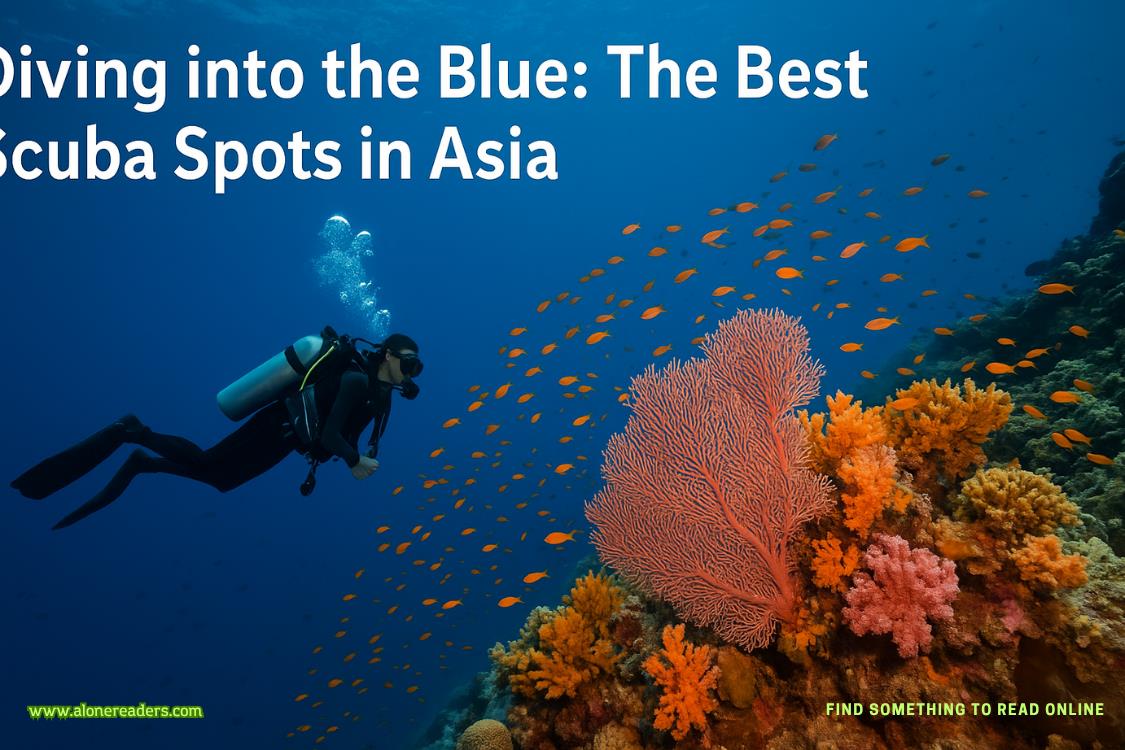
Asia, with its expansive coastline, coral-rich archipelagos, and vast biodiversity, is a paradise for scuba divers seeking both adventure and tranquility beneath the waves. Unlike the Caribbean or the Red Sea, Asia’s top dive spots are wildly diverse: from volcanic islands wrapped in coral to ancient underwater limestone caves and currents that bring pelagic giants. This article dives deep—literally—into the specific sites that define the region’s reputation among seasoned divers. Here, we go beyond the usual “best of” lists and focus on what sets each destination apart, including unique marine life, site conditions, and the best times to visit.
Why Raja Ampat Is Unique
Raja Ampat, located off the northwest tip of West Papua, Indonesia, is the heart of the Coral Triangle and consistently ranks as the world’s most biodiverse marine region. With over 1,500 small islands and cays, it is a living laboratory for marine biologists and photographers.
Marine Life Highlights
Over 600 coral species (75% of the world’s total) and more than 1,700 species of reef fish. The region is famous for wobbegong sharks, manta rays, pygmy seahorses, walking sharks (epaulette), and massive schools of fusiliers and snappers. Macro lovers can spend days searching for nudibranchs, frogfish, and ghost pipefish.
Must-Dive Sites
Conditions and Logistics
Best visited between October and April for calm seas and peak visibility (up to 30 meters). Access is via Sorong, followed by a ferry or liveaboard transfer. Most sites suit intermediate to advanced divers due to currents.
Why Sipadan Is a Must-Dive
Rising 600 meters from the seafloor, Sipadan Island in Sabah is the only oceanic island in Malaysia. It’s often described as “an untouched piece of art” because of its dramatic drop-offs and dizzying pelagic encounters.
Marine Life Highlights
World-famous for huge green and hawksbill turtle populations, barracuda tornadoes, massive bumphead parrotfish, and resident white-tip and grey reef sharks. Seasonal hammerhead sightings occur from January to March.
Must-Dive Sites
Conditions and Logistics
Permits are limited to 176 divers per day. Stay in Semporna or Mabul Island and book well in advance. Best conditions are March to October, but diving is possible year-round.
Why Tubbataha Is So Prized
Tubbataha Reefs Natural Park, a UNESCO World Heritage Site in the Sulu Sea, is only accessible by liveaboard during a short season. Its isolation means pristine reefs and minimal fishing impact.
Marine Life Highlights
Over 600 fish species and 360 coral species. Expect regular sightings of whale sharks, tiger sharks, manta rays, eagle rays, and enormous schools of snappers and groupers. Occasional sightings of hammerheads and thresher sharks.
Must-Dive Sites
Conditions and Logistics
The season runs mid-March to mid-June. Liveaboard trips depart from Puerto Princesa, Palawan. Most dives are for advanced divers due to currents and depths.
Why Komodo Is an Adventure Magnet
Beyond its famous land-based Komodo dragons, this UNESCO World Heritage marine park in Indonesia is equally famed for strong currents, nutrient-rich waters, and manta cleaning stations.
Marine Life Highlights
Regular manta ray sightings (especially at Manta Alley), reef sharks, turtles, Napoleon wrasse, and vast fields of hard and soft corals. Macro enthusiasts can hunt for blue-ringed octopus and flamboyant cuttlefish.
Must-Dive Sites
Conditions and Logistics
Best visited April to November. Diving here demands skill in managing currents. Labuan Bajo is the main gateway, with both day boats and liveaboards available.
Why the Similans and Surins Matter
The Similan and Surin Islands in the Andaman Sea are protected marine parks offering some of Thailand’s finest underwater topography—think giant granite boulders, coral gardens, and spectacular swim-throughs.
Marine Life Highlights
Highlights include leopard sharks, manta rays, whale sharks, cuttlefish, and ghost pipefish. Richelieu Rock (Surin) is famous for seasonal whale shark encounters and an abundance of soft corals.
Must-Dive Sites
Conditions and Logistics
Diving season is November to May. Most divers embark from Khao Lak or Phuket on liveaboards. Currents and thermoclines can be strong, so experience is recommended.
Pulau Weh, Indonesia
A volcanic island off Sumatra, known for both gentle slopes and deep drop-offs. Best for rare megamouth shark sightings, wrecks, and drift dives.
Apo Island, Philippines
One of the world’s oldest community-based marine sanctuaries. Noted for vibrant coral gardens, turtles, and schools of jacks.
Nusa Lembongan & Penida, Indonesia
These Bali outliers offer thrilling drift dives and seasonal chances to see mola mola (sunfish), especially from July to October.
Ecological Diversity and Coral Health
Many of Asia’s top dive spots are inside the Coral Triangle, the global epicenter of marine biodiversity. These areas not only offer staggering coral variety, but also unique microhabitats: seagrass beds, mangroves, volcanic vents, and deep trenches. This complexity means even regular divers can expect new discoveries on every trip.
Current-Driven Adventures
Many Asian sites—especially Komodo, Raja Ampat, and the Similans—are renowned for their currents. Far from being a nuisance, these nutrient-rich flows fuel marine life booms, bringing in mantas, sharks, and massive fish schools. Drifting with the current is an exhilarating experience, but also means that many of these sites are best for advanced divers.
Culture and Above-Water Experiences
Diving in Asia is not just about the ocean. Each location offers unique land-based experiences: from exploring tribal villages in Papua, savoring seafood feasts on Mabul, hiking in Komodo’s rugged hills, or unwinding on Phuket’s beaches after a day beneath the waves.
When to Go
Most Asian dive destinations have distinct wet and dry seasons. For the Coral Triangle (Raja Ampat, Komodo, Tubbataha), the best months are generally October to May. The Andaman region (Similans, Surins) shines from November to May. Always check local monsoon patterns, as storms can limit access.
Liveaboard vs. Land-Based Diving
Remote sites like Tubbataha and Raja Ampat are best explored by liveaboard, offering access to rarely-visited reefs and flexible dive schedules. For Mabul/Sipadan and the Similans, land-based operators provide comfortable bases and access to local culture.
Environmental Considerations
Choose dive operators committed to sustainable practices—no touching corals, no feeding fish, no collecting souvenirs. Many areas have strict permit systems or diver caps to protect fragile ecosystems.
Gear and Training
While rental gear is widely available, experienced divers may prefer to bring their own, especially for longer trips. Many top sites have strong currents or deep walls—consider training in drift diving or deep diving specialties before your trip.
Asia’s underwater world is a wonderland for divers—from riotous coral gardens and thrilling drift dives to encounters with giants and macro oddities. Each location offers a unique blend of biodiversity, challenge, and local flavor. Whether you’re searching for the wildest pelagics, rare macro critters, or simply the joy of floating in an untouched blue, Asia’s dive sites promise the kind of adventures you’ll remember forever. With careful planning and respect for the ocean, these spectacular locations will remain world-class for generations of divers to come.



 Unique Australian Wildlife and Where to Find Them: A Complete Travel Guide
 Island Hopping in the Philippines: Ultimate Travel Guide to Paradise Adventures
 Hong Kong Skyline: Best Spots for Stunning Panoramic Views
 The Enchanting Lijiang: A Complete Guide to Its Ancient Alleys, Culture, and Travel Costs
 San Diego: The Ultimate Family Vacation Destination (Beaches, Wildlife, and Budget-Smart Fun)
 Unveiling the Mysteries of the Kazan Kremlin: A Complete Travel Guide to Russia’s Historic Gem










