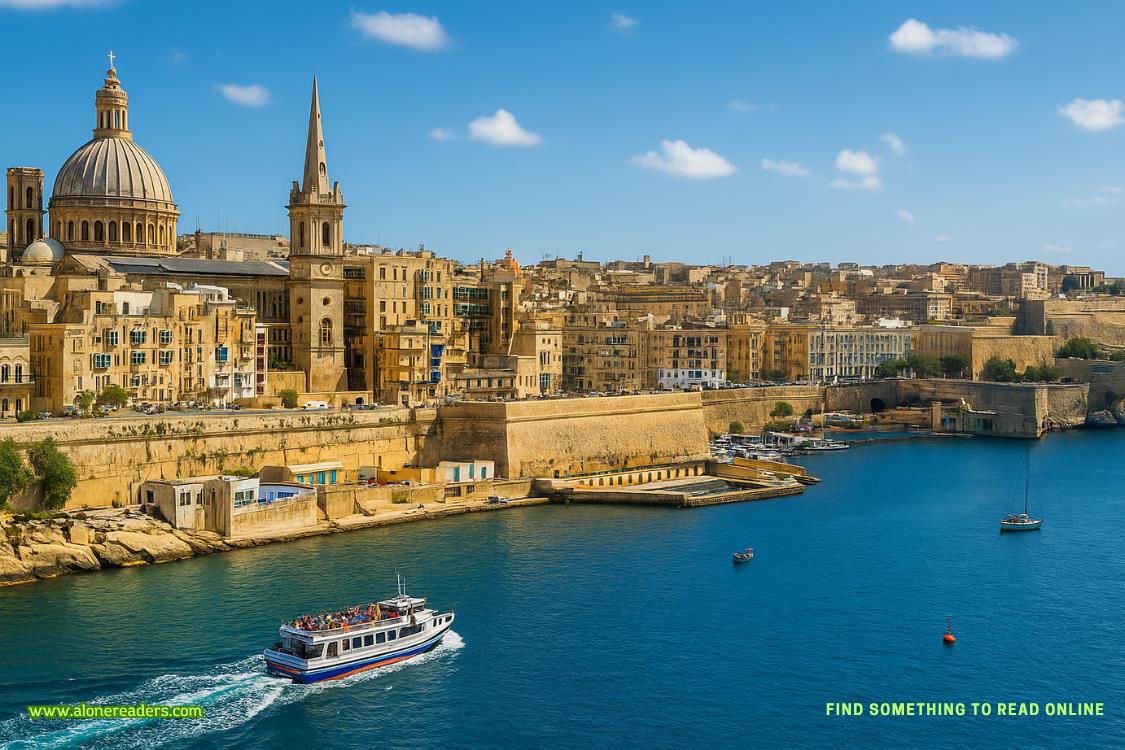
Malta is a sun-soaked gem in the heart of the Mediterranean Sea. With its dazzling turquoise waters, rich history stretching back thousands of years, and a blend of cultures that shaped its unique character, Malta is the ultimate destination for travelers seeking a mix of adventure, culture, and relaxation. Whether you’re interested in exploring ancient cities, diving into crystal-clear bays, or sampling Mediterranean cuisine, Malta has something for everyone. Planning a week in Malta ensures you experience its best offerings without feeling rushed.
How to Reach Malta
Malta is easily accessible by air, with Malta International Airport (MLA) in Luqa serving as the main gateway. Most major European cities have direct flights to Malta, with airlines like Ryanair, Air Malta, and EasyJet offering regular connections. For travelers from outside Europe, connecting flights via cities like London, Rome, or Istanbul are common.
Estimated Costs of Getting There
Travel Tip: Book flights at least two to three months in advance for the best prices, especially if you plan to visit during summer (June–September).
Transportation Options
Malta is a compact country, so getting around is relatively easy.
Travel Tip: Driving is on the left in Malta. Streets in Valletta and Mdina are narrow, so public transport is often easier for cities.
Malta offers a wide range of accommodation options to suit different budgets and styles.
Budget:
Hostels: €15–€30 per night (Valletta, Sliema, or St. Julian’s).
Mid-range:
Luxury:
Boutique hotels/5-star resorts: €120–€300 per night (Valletta, Mdina, Mellieha).
Recommended Areas to Stay:
Estimated Weekly Accommodation Cost:
Malta’s food is a flavorful blend of Mediterranean influences with a local twist.
Must-Try Foods:
Estimated Meal Costs:
Weekly Food Budget:
Stroll through Valletta’s streets, visit St. John’s Co-Cathedral, and enjoy panoramic views from Upper Barracca Gardens.
Cost: Entrance fees for museums/cathedral (€10–€15), meals (€15–€30)
Take a traditional dgħajsa boat to Vittoriosa, Senglea, and Cospicua. Soak up local culture and history.
Cost: Boat ride (€2–€8), cafes (€10–€20)
Explore the medieval walled city of Mdina, known as the “Silent City.” Visit St. Paul’s Catacombs in Rabat and enjoy coffee at Fontanella Tea Garden with sweeping views.
Cost: Entry fees (€5–€10), meals/snacks (€10–€25)
Marvel at the Blue Grotto’s sea caves (boat tour), discover ancient megalithic temples, and savor seafood in the fishing village of Marsaxlokk.
Cost: Blue Grotto boat (€10), temples (€10), seafood lunch (€15–€30)
Take the ferry to Gozo. Visit the Citadel in Victoria, swim at Ramla Bay, and explore Dwejra Bay (Inland Sea, Fungus Rock).
Cost: Ferry (€5), transport (€10–€20), meals (€15–€30)
Spend a day relaxing and swimming in the famous Blue Lagoon on Comino Island.
Cost: Ferry/boat trip (€15–€25), meals (€10–€20)
Stroll along the seafront promenade, shop, or unwind on the beaches. Enjoy nightlife if you wish.
Cost: Meals/snacks (€15–€25), nightlife (optional)
Costs may fluctuate based on the season, accommodation choices, and personal spending habits. Summer is high season, so book early for best prices.
Language:
English and Maltese are official languages; most locals speak fluent English.
Currency:
Euro (€). Credit cards are widely accepted, but carry some cash for markets or small towns.
Weather:
Malta has a Mediterranean climate. Summers are hot (up to 35°C/95°F), winters mild (10–20°C/50–68°F).
Health & Safety:
Malta is considered very safe. Tap water is generally safe but bottled water is recommended for drinking. Take care in the sun and stay hydrated.
Dress Code:
Casual, but bring modest clothes for church visits. Swimwear is for beaches only.
Power Sockets:
British-style (Type G); bring an adapter if needed.
Local Laws & Customs:
Respect church rules, especially regarding photography and attire. Malta is welcoming but conservative; topless sunbathing is not permitted in public.
Caution for Travelers:
A week in Malta is an unforgettable blend of history, natural beauty, and Mediterranean charm. With careful planning, you can enjoy stunning sights, delicious food, friendly locals, and relaxing days by the sea—without breaking the bank. Whether you’re a solo adventurer, a couple, or a family, Malta promises memories to last a lifetime.



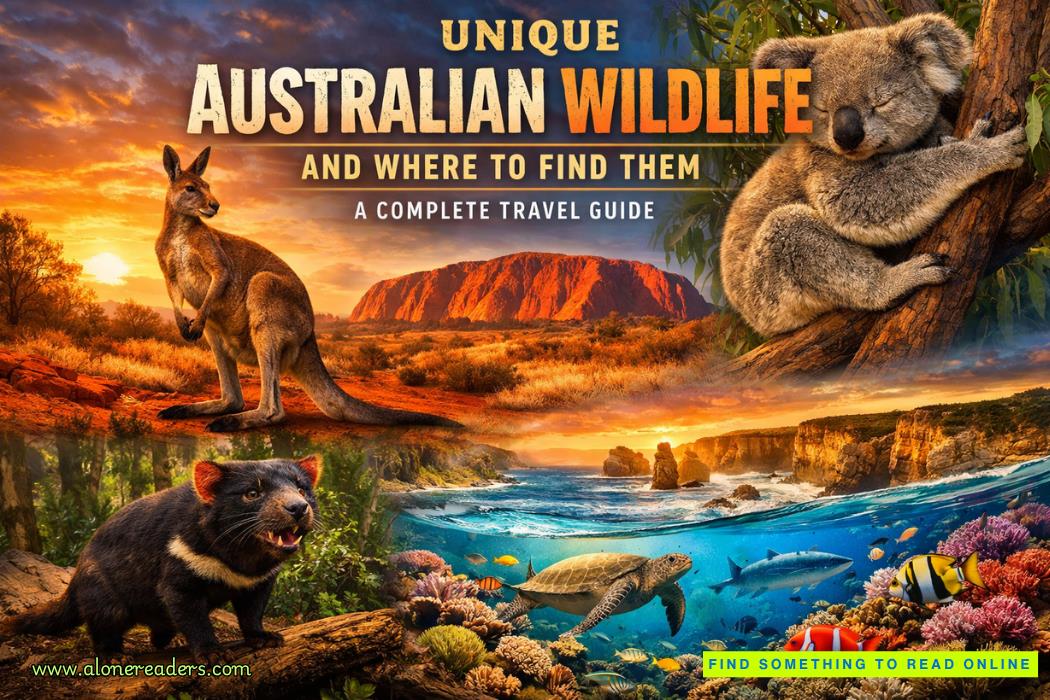 Unique Australian Wildlife and Where to Find Them: A Complete Travel Guide
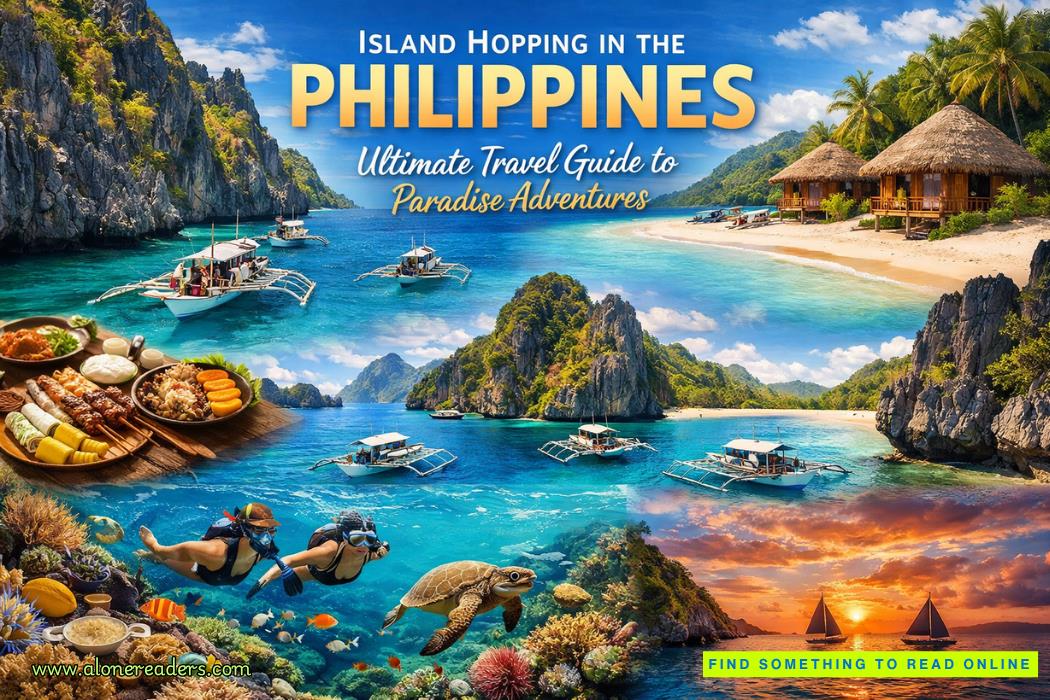 Island Hopping in the Philippines: Ultimate Travel Guide to Paradise Adventures
 Hong Kong Skyline: Best Spots for Stunning Panoramic Views
 The Enchanting Lijiang: A Complete Guide to Its Ancient Alleys, Culture, and Travel Costs
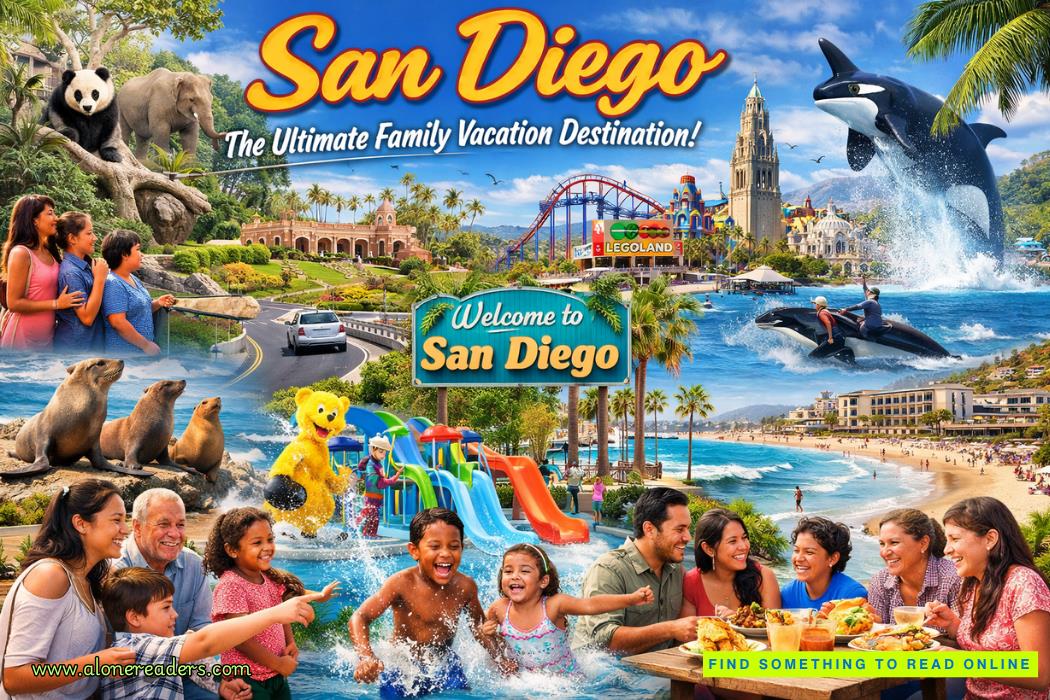 San Diego: The Ultimate Family Vacation Destination (Beaches, Wildlife, and Budget-Smart Fun)
 Unveiling the Mysteries of the Kazan Kremlin: A Complete Travel Guide to Russia’s Historic Gem










