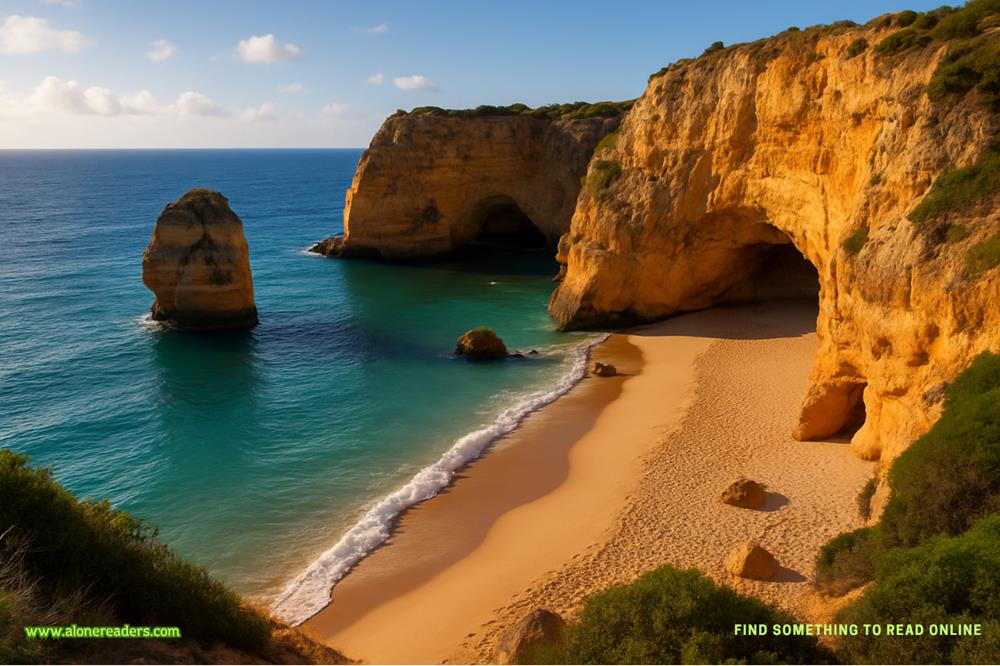
Portugal is famous for its golden beaches, stunning cliffs, and vibrant cities like Lisbon and Porto. But beyond the popular tourist hotspots, there are still quiet corners of the coastline waiting to be discovered. These hidden seaside escapes offer something different: untouched sands, authentic villages, and a sense of tranquility that makes every visit feel special. Whether you are looking for a peaceful retreat, an adventure in nature, or a chance to sample local flavors without the crowds, Portugal’s lesser-known shores are calling. Let’s uncover a few of these gems, with practical details for planning an unforgettable trip.
About Praia da Amália
Nestled between the more famous beaches of Zambujeira do Mar and Odeceixe on Portugal’s southwestern Alentejo coast, Praia da Amália is a haven for those in search of serenity. Named after the legendary Fado singer Amália Rodrigues, who loved to escape here, this beach is truly hidden—reached by a narrow path that winds through farmland and lush greenery before revealing dramatic cliffs and pristine sand.
Natural Beauty and Attractions
This beach feels like a secret garden by the sea. A stream trickles down the cliff, forming a small waterfall as it reaches the sand. Towering rock formations create a natural barrier, making the beach feel exclusive and protected. The waves here are perfect for bodyboarding or simply enjoying the sound of the Atlantic.
You won’t find bars or souvenir shops; instead, bring a picnic and enjoy the wild, untouched beauty. Don’t forget to walk along the cliff tops for breathtaking views—especially at sunset.
How to Get There
The nearest town is Brejão. From Lisbon, it’s about a 2.5-hour drive south (roughly 200 km) on the A2 and then smaller regional roads. There’s no public transport right to the beach, so driving is best. Parking is available near the start of the trail; from there, it’s a 10-minute walk down to the sand.
Accommodations and Food
Stay at one of the rural guesthouses in Brejão or nearby São Teotónio. “Monte do Zambujeiro” and “Quinta da Moita Nova” are local favorites, offering rooms from €60–€120 per night with breakfast included.
For meals, local taverns like “O Sacas” in Zambujeira do Mar serve freshly caught fish and traditional Alentejo dishes. Expect to pay around €10–€18 for a main dish. If you’d rather self-cater, local markets sell delicious cheeses, bread, and produce.
Estimated Cost
Cautions for Travelers
The path to Praia da Amália is steep and can be slippery, especially after rain. Wear good walking shoes and be cautious if traveling with children or heavy bags. There are no lifeguards, so swim with care.
About Praia do Carvalho
Most travelers flock to the Algarve’s better-known beaches, but Praia do Carvalho—near Carvoeiro—is a magical spot that many still miss. This small cove is hidden behind cliffs and accessed by a stone staircase through a tunnel, giving it an adventurous, secretive vibe.
Natural Beauty and Attractions
Crystal-clear turquoise water, golden sand, and dramatic limestone cliffs make this one of the Algarve’s most picturesque beaches. At low tide, you can explore sea caves and natural arches nearby. The water is calm, making it great for swimming and snorkeling.
Climb the steps for panoramic views or simply relax in the shade of the cliffs. Bring a mask and snorkel—schools of fish gather around the rocks.
How to Get There
From Faro airport, drive west along the A22 for about 60 km, then head south towards Carvoeiro. Parking is free but limited, so arrive early in summer. No direct buses reach the beach, but taxis from Carvoeiro town (2 km away) are available.
Accommodations and Food
The area has plenty of family-run B&Bs and small hotels. “Villa Welwitshia Mirabilis” in Carvoeiro offers cozy rooms for €50–€90/night. Alternatively, rent an apartment if traveling in a group.
Restaurants in Carvoeiro, like “O Pátio,” serve grilled sardines and seafood rice for €12–€20 per meal. Many places offer fresh juices and local pastries for breakfast.
Estimated Cost
Cautions for Travelers
The tunnel and stairs are narrow—those with mobility issues may find access difficult. There are sometimes strong currents outside the cove; stay inside the bay for safer swimming.
About Praia da Ursa
Just 40 minutes from Lisbon, near the westernmost point of continental Europe, lies Praia da Ursa—one of Portugal’s most spectacular and least accessible beaches. The wild Atlantic, huge rock pinnacles, and complete isolation give this place an almost otherworldly feel.
Natural Beauty and Attractions
Named after the bear-shaped rock (“Ursa” means bear in Portuguese), this beach is perfect for nature lovers and adventurers. The setting is dramatic: rugged cliffs, wind-sculpted rock formations, and wildflowers dotting the path down.
This is not a family beach, but a place for those who love to hike and don’t mind a bit of a challenge. The views from the cliff are jaw-dropping, and you might find yourself alone, even in summer.
How to Get There
Drive from Lisbon towards Sintra and then to Cabo da Roca. There’s a small parking area on the main road; from there, a steep and rocky trail (about 30–40 minutes on foot) leads down to the beach. Good shoes and some fitness are required—this is not a flip-flop stroll.
Accommodations and Food
Stay in Sintra, a magical town full of castles and palaces, only 15 minutes away by car. Boutique hotels like “Casa Holstein” or guesthouses cost €70–€130/night.
For food, Sintra offers charming bakeries and restaurants. Try “Tascantiga” for small plates and regional wine—expect to pay €15–€25 for a meal.
Estimated Cost
Cautions for Travelers
The descent to Praia da Ursa is challenging and not recommended for children or those with mobility issues. Bring plenty of water, snacks, and sun protection, as there are no facilities at the beach. Swimming can be dangerous due to strong waves and currents.
About Praia do Barranco
Tucked between Sagres and Lagos, Praia do Barranco is a favorite among surfers, campers, and those seeking off-the-beaten-path adventures. The beach sits at the end of a rough dirt road, bordered by wild hills and pine trees.
Natural Beauty and Attractions
Praia do Barranco is known for its rugged beauty, gentle waves, and friendly vibe. The sandy shore is wide, and the clear water is perfect for surfing, paddleboarding, or just relaxing with a good book. Sunsets here are magical, painting the sky in fiery colors.
Many travelers camp nearby (wild camping is common, but technically not allowed), waking up to the sound of the ocean. It’s an ideal place for a digital detox.
How to Get There
A car is essential. From Lagos or Sagres, follow the N125 and turn off onto a 5 km dirt road. The journey can be bumpy, but standard cars usually manage. There’s parking near the beach.
Accommodations and Food
Options nearby are basic—think campgrounds or eco-lodges like “Salema Eco Camp” (€40–€80/night for a cabin or tent). In Sagres or Salema, small hotels and guesthouses start at €50/night.
For food, you’ll need to bring supplies, as there are no restaurants right at the beach. Local stores in Salema sell fresh bread, cheese, and fruit. Alternatively, drive back to Sagres for casual restaurants offering grilled seafood for €10–€20.
Estimated Cost
Cautions for Travelers
The dirt road can become muddy after rain, so check weather conditions before setting out. Bring all essentials—water, food, sunblock—as there are no facilities on site. Respect the local environment and avoid lighting fires.
Best Time to Visit
The shoulder seasons (May–June and September–October) are ideal for avoiding crowds and enjoying mild weather. The sea is warmest in late summer.
Packing Essentials
Travel Safety and Etiquette
Portugal is generally safe, but always lock your car and don’t leave valuables on display. Respect nature—take your rubbish with you, don’t disturb wildlife, and follow local signs.
Portugal’s hidden seaside escapes offer more than just sun and sand—they invite you to slow down, savor the moment, and discover the genuine spirit of the country. Whether you choose the wild cliffs of Praia da Ursa, the peaceful sands of Praia da Amália, the dramatic coves of the Algarve, or the surfer’s freedom at Praia do Barranco, you’ll return home with memories of places where the only footprints in the sand may be your own.
These destinations may require a bit more effort to reach, but the rewards—solitude, natural beauty, and authentic experiences—are truly worth the journey. So pack your bags, grab your map, and set off in search of your own Portuguese seaside escape.



 Unique Australian Wildlife and Where to Find Them: A Complete Travel Guide
 Island Hopping in the Philippines: Ultimate Travel Guide to Paradise Adventures
 Hong Kong Skyline: Best Spots for Stunning Panoramic Views
 The Enchanting Lijiang: A Complete Guide to Its Ancient Alleys, Culture, and Travel Costs
 San Diego: The Ultimate Family Vacation Destination (Beaches, Wildlife, and Budget-Smart Fun)
 Unveiling the Mysteries of the Kazan Kremlin: A Complete Travel Guide to Russia’s Historic Gem