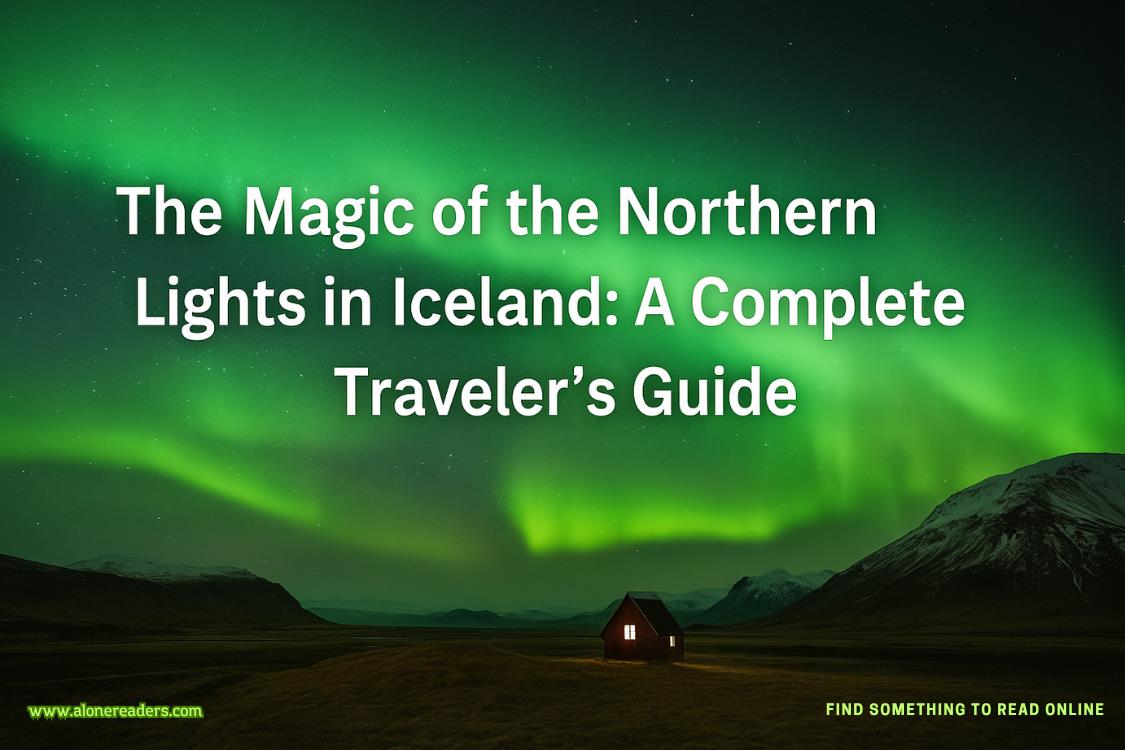
There are few sights in the world as mesmerizing as the Northern Lights—also known as the aurora borealis—and there’s arguably no better place to experience them than Iceland. This Nordic island, perched just below the Arctic Circle, is famed for its wild landscapes, volcanic beauty, and unspoiled night skies. Travelers from every corner of the globe flock to Iceland for the chance to witness the celestial dance of green, purple, and pink lights shimmering overhead. But the magic of Iceland doesn’t end with the auroras. From snow-capped volcanoes to geothermal hot springs, quaint villages, and hearty cuisine, the island offers an adventure that lingers long after the journey ends.
Why Iceland is Perfect for Aurora Hunting
Iceland’s latitude and geography make it one of the world’s best spots to see the Northern Lights. The island’s low light pollution, wide open landscapes, and frequent clear nights between September and April create perfect conditions for this natural phenomenon. Unlike many locations where city lights ruin the experience, Iceland boasts countless remote viewing spots.
The Best Time to Visit for the Northern Lights
The ideal season for aurora watching is from late September to early April. The winter months offer the longest hours of darkness, increasing your chances of spotting the lights. However, it’s always wise to allow for a multi-day stay, as the aurora is never guaranteed and depends on both solar activity and weather.
International Flights to Reykjavik
Iceland’s main international gateway is Keflavík International Airport (KEF), located about 50 kilometers from the capital city of Reykjavik. The airport is well connected to North America and Europe, with direct flights from cities like London, Copenhagen, New York, Boston, Toronto, and many more.
Getting Around Iceland
Upon arrival, most travelers base themselves in Reykjavik and then either rent a car or join organized tours to chase the lights and explore other attractions. Renting a car offers flexibility, especially if you’re comfortable driving in winter conditions, but guided tours eliminate any stress about road safety and navigation.
Thingvellir National Park
Just a 45-minute drive from Reykjavik, Thingvellir National Park is a UNESCO World Heritage site famous for its geological history and clear skies. Standing on the rift between two tectonic plates, you’ll feel connected to both earth and sky as the aurora dances overhead.
Jökulsárlón Glacier Lagoon
On Iceland’s southeastern coast, Jökulsárlón is an otherworldly lagoon filled with floating icebergs. The shimmering aurora reflected on the still, icy water creates an unforgettable sight.
Kirkjufell Mountain
Known as the “most photographed mountain in Iceland,” Kirkjufell on the Snæfellsnes Peninsula provides a dramatic backdrop for aurora photography, especially when the lights arc over its cone-shaped peak.
Remote Countryside
Sometimes, the best Northern Lights displays happen far from the crowds. Even pulling off a quiet country road on the South Coast or Westfjords can yield a private, dazzling aurora show—just check the cloud forecast and solar activity updates.
The Blue Lagoon
No trip to Iceland is complete without soaking in the Blue Lagoon, a geothermal spa set in a lava field just 20 minutes from KEF airport. The warm, mineral-rich waters offer relaxation before or after a night of aurora chasing.
Golden Circle
Iceland’s classic sightseeing route includes the Geysir geothermal area, the spectacular Gullfoss waterfall, and Thingvellir National Park. Many travelers combine a Golden Circle tour with an evening aurora excursion.
Reykjavik: The Heartbeat of Iceland
Iceland’s colorful, walkable capital is bursting with charm. Explore Hallgrímskirkja church, vibrant street art, cozy cafes, and lively nightlife. Reykjavik is also a great base for day trips and guided tours.
South Coast Adventures
For those with more time, the South Coast rewards with black sand beaches (like Reynisfjara), waterfalls (Seljalandsfoss, Skógafoss), and even glacier hikes.
Hotels and Guesthouses
Iceland offers everything from luxury hotels in Reykjavik to countryside guesthouses and cozy cabins. Prices reflect Iceland’s high cost of living, but there are options for various budgets.
Booking Tips
Book accommodations well in advance, especially during the aurora season (September–April), as popular spots fill quickly. Always check if breakfast, free parking, and Wi-Fi are included.
Traditional Dishes to Try
Icelandic food is rooted in local ingredients—fresh fish, lamb, potatoes, and dairy. Don’t miss these classics:
Dining Costs
Eating out in Iceland is expensive compared to many other countries:
Here’s a breakdown for a 5-day trip for one person:
| Expense | Estimated Cost (USD) |
|---|---|
| Roundtrip airfare (Europe) | $200–$400 |
| Accommodation (mid-range) | $600–$1,000 |
| Car rental (5 days) | $300–$500 |
| Gasoline | $100–$150 |
| Aurora tour (one night) | $70–$100 |
| Golden Circle day tour | $80–$100 |
| Meals (mix eat out/self-cater) | $150–$250 |
| Blue Lagoon entry | $65–$95 |
| Souvenirs & extras | $100 |
| Total (approx.) | $1,665–$2,695 |
Traveling with a group or family can help lower costs per person by sharing car rentals and accommodations.
Weather and Driving
Icelandic weather is famously unpredictable. In winter, snowstorms can close roads suddenly, and winds are fierce. Always check weather and road conditions at safetravel.is or road.is. If you’re not experienced with winter driving, join group tours instead of renting a car.
Dress for Success
Layered, windproof, and waterproof clothing is essential. Bring a warm hat, gloves, and sturdy boots. Nighttime aurora viewing often means standing in freezing temperatures for hours.
Travel Insurance
Never skip travel insurance. Iceland’s wild landscapes are beautiful but occasionally dangerous, and medical care can be expensive for foreigners.
Respect Nature
Iceland’s fragile ecosystems need protection. Stick to marked paths, never disturb moss or wildlife, and always pack out your trash.
Currency and Payment
Iceland’s currency is the Icelandic krona (ISK), but most places accept credit cards—even for small amounts. Carry a little cash for rural shops or hot dog stands, just in case.
The Northern Lights in Iceland aren’t just a spectacle—they’re a gateway into a landscape of legends, natural wonders, and unforgettable experiences. Whether you chase the aurora from a cozy countryside cabin or a lively Reykjavik street, you’ll discover why this tiny island leaves such a lasting impression. With careful planning, a sense of adventure, and a warm jacket, your Iceland trip will be filled with magic—under the glow of the aurora and beyond.



 Unique Australian Wildlife and Where to Find Them: A Complete Travel Guide
 Island Hopping in the Philippines: Ultimate Travel Guide to Paradise Adventures
 Hong Kong Skyline: Best Spots for Stunning Panoramic Views
 The Enchanting Lijiang: A Complete Guide to Its Ancient Alleys, Culture, and Travel Costs
 San Diego: The Ultimate Family Vacation Destination (Beaches, Wildlife, and Budget-Smart Fun)
 Unveiling the Mysteries of the Kazan Kremlin: A Complete Travel Guide to Russia’s Historic Gem










