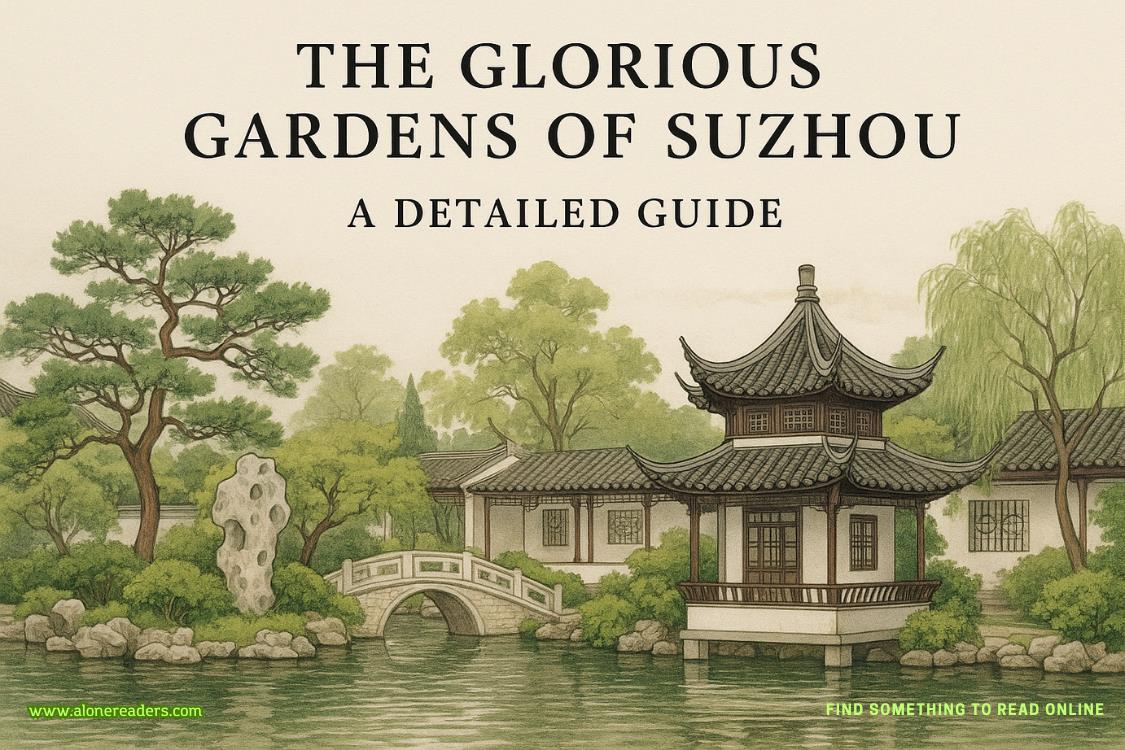
Suzhou, often called the "Venice of the East," is a historic city in Jiangsu Province, China, celebrated for its UNESCO World Heritage–listed classical gardens. These gardens—meticulously designed during the Ming and Qing dynasties—blend natural landscapes, architecture, and art into living masterpieces. Known for their delicate rockeries, tranquil ponds, refined pavilions, and seasonal blooms, Suzhou’s gardens are a timeless symbol of Chinese horticultural design. Whether you are a history lover, nature enthusiast, or photography seeker, the gardens of Suzhou offer an unmatched cultural and sensory experience.
Humble Administrator’s Garden (Zhuōzhèng Yuán)
The largest and most famous of Suzhou’s gardens, the Humble Administrator’s Garden spans over 12 acres. Divided into three sections—eastern, central, and western—it features lotus-filled ponds, zigzag bridges, bamboo groves, and centuries-old pavilions. The central section is particularly photogenic, with its lush greenery and reflection pools.
Lingering Garden (Liú Yuán)
A UNESCO site, the Lingering Garden is famous for its covered walkways, intricately carved lattice windows, and ornamental stones. It offers a serene, poetic atmosphere perfect for slow exploration.
Master of the Nets Garden (Wǎngshī Yuán)
One of the smallest yet most exquisite gardens, this site excels in space illusion and design. At night in summer, cultural performances bring the garden to life.
Lion Grove Garden (Shī Zǐ Lín)
Known for its labyrinthine rockeries, Lion Grove is a delight for adventurous visitors. The unique limestone formations resemble crouching lions and mythical beasts.
Other Attractions Nearby
From Shanghai
From Beijing
Getting Around in Suzhou
Public buses, metro lines, and taxis are widely available. Many gardens are close to each other, so walking or renting a bike is also a good option.
Luxury Hotels
Mid-Range Hotels
Budget Options
Local Delicacies to Try
Dining Costs
| Expense Category | Estimated Cost (Per Day) |
|---|---|
| Garden Entry Fees | ¥40–¥90 ($6–$13 USD) each garden |
| Transportation | ¥20–¥60 ($3–$9 USD) |
| Accommodation | ¥120–¥900+ ($17–$127 USD) |
| Food | ¥80–¥250 ($11–$35 USD) |
| Miscellaneous/Souvenirs | ¥50–¥200 ($7–$28 USD) |
For a comfortable mid-range experience, expect to spend around ¥600–¥900/day ($85–$127 USD).
The gardens of Suzhou are not merely tourist attractions—they are living works of art shaped by centuries of Chinese culture, philosophy, and aesthetics. Whether wandering along willow-lined ponds, admiring ancient bonsai, or sipping tea in a centuries-old pavilion, you’ll find yourself stepping into a scene that feels frozen in time. For any traveler seeking a blend of natural beauty, history, and artistry, Suzhou’s gardens are a must-visit treasure.



 Unique Australian Wildlife and Where to Find Them: A Complete Travel Guide
 Island Hopping in the Philippines: Ultimate Travel Guide to Paradise Adventures
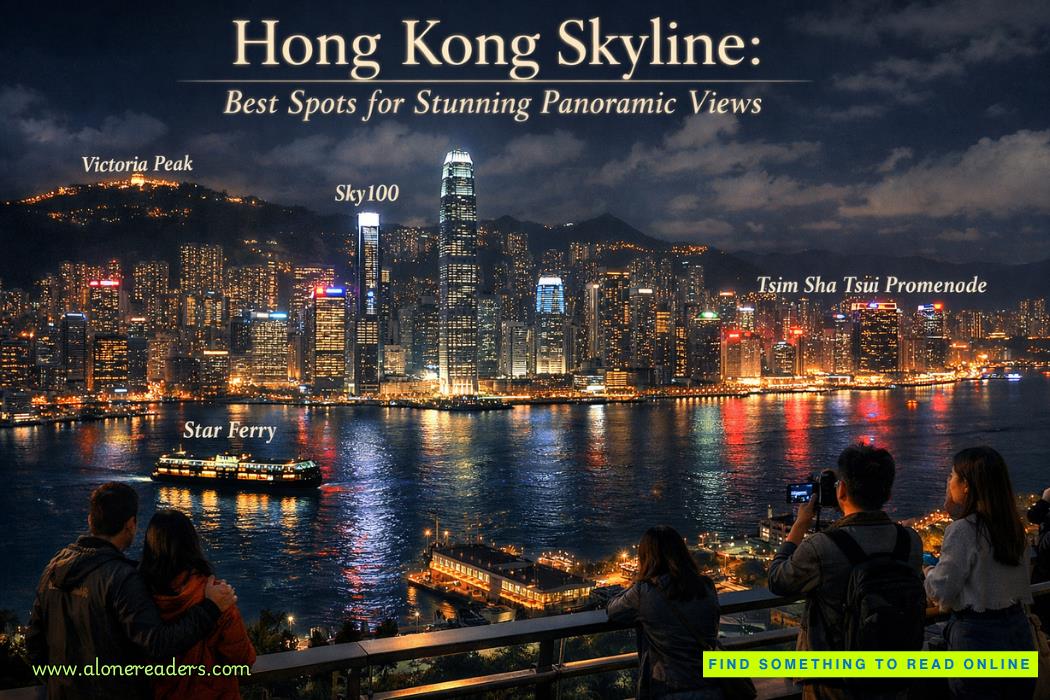 Hong Kong Skyline: Best Spots for Stunning Panoramic Views
 The Enchanting Lijiang: A Complete Guide to Its Ancient Alleys, Culture, and Travel Costs
 San Diego: The Ultimate Family Vacation Destination (Beaches, Wildlife, and Budget-Smart Fun)
 Unveiling the Mysteries of the Kazan Kremlin: A Complete Travel Guide to Russia’s Historic Gem