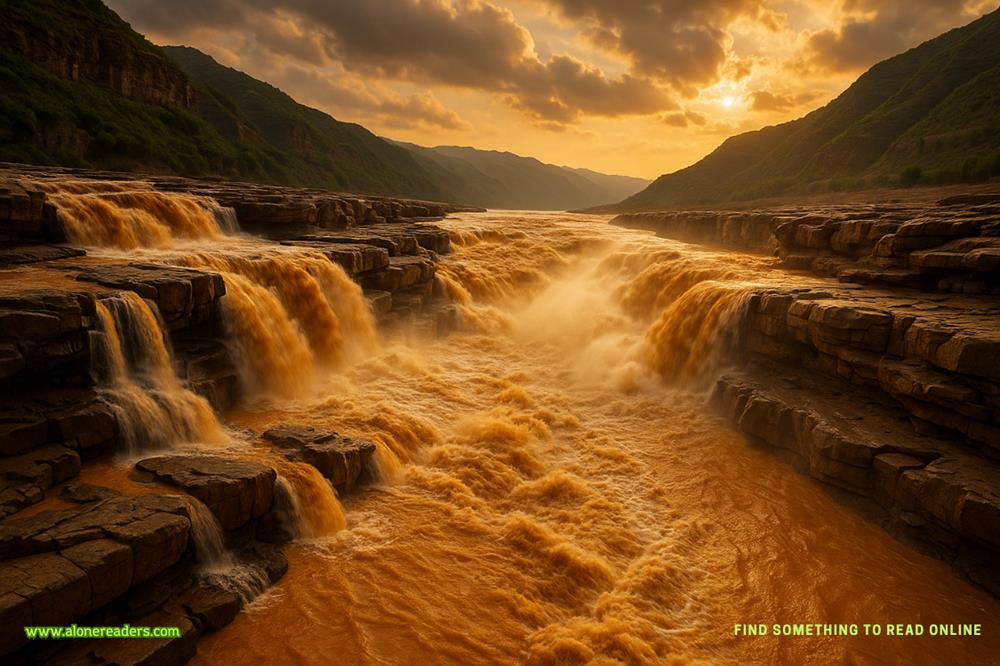
The Yellow River, or Huang He (黄河), is more than just a waterway—it’s the cradle of Chinese civilization, flowing for over 5,400 km through nine provinces before meeting the Bohai Sea. Known as the "Mother River of China," it has nourished fertile plains, inspired poetry, and shaped history for thousands of years. Its golden-brown waters, rich cultural heritage, and dramatic landscapes make it a bucket-list destination for travelers seeking both natural beauty and deep history.
1. Hukou Waterfall – The Roaring Giant
Hukou Waterfall, the second-largest in China, is a breathtaking sight where the river narrows dramatically, sending torrents crashing down in a roaring display. The mist, rainbows, and sheer power make it one of the river’s most famous attractions.
2. The Loess Plateau – Earth’s Golden Canvas
The Loess Plateau along the river creates sweeping golden hills and valleys. The wind-sculpted terrain offers surreal photography opportunities, especially during sunrise and sunset.
3. Lanzhou – The City on the River
The capital of Gansu Province, Lanzhou offers beautiful riverside parks, the iconic Zhongshan Bridge, and the Yellow River Iron Bridge. It’s also famous for Lanzhou beef noodles, a must-try local delicacy.
4. Sanmenxia Dam and Wetland Park
This massive hydro-engineering project doubles as a tourist spot, with nearby wetlands that attract thousands of migratory birds, making it perfect for nature lovers.
5. Longmen Grottoes
While not directly on the main riverbanks, this UNESCO World Heritage Site near Luoyang is close enough to include in your Yellow River itinerary, with thousands of Buddhist statues carved into limestone cliffs.
By Air:
By Train:
China’s high-speed rail network makes the journey comfortable and scenic. Lanzhou, Yinchuan, and Xi’an are all connected via high-speed trains from major cities like Beijing, Shanghai, and Chengdu.
By Road:
Buses and private car rentals are available, but long distances between attractions make this option more time-consuming.
Hotels & Guesthouses:
Recommended Stays:
Must-Try Dishes:
Average Daily Food Budget:
| Expense Category | Budget Traveler (USD) | Comfort Traveler (USD) |
|---|---|---|
| Accommodation | 20–35 | 40–70 |
| Food | 11–17 | 20–35 |
| Transportation | 10–15 | 20–40 |
| Entry Fees/Tours | 5–15 | 15–30 |
| Total Per Day | 46–82 | 95–175 |
1. Seasonal Considerations:
2. Altitude:
Some upstream locations are at higher altitudes; acclimatize gradually if sensitive.
3. Safety:
4. Cultural Etiquette:
The Yellow River is more than a geographical wonder—it’s a journey through China’s cultural soul, breathtaking landscapes, and centuries-old history. From the roaring Hukou Waterfall to the tranquil wetlands, from ancient grottoes to vibrant cities, the river offers a unique blend of natural beauty and human heritage. Whether you’re a history lover, nature enthusiast, or photography buff, the Yellow River promises an unforgettable adventure.



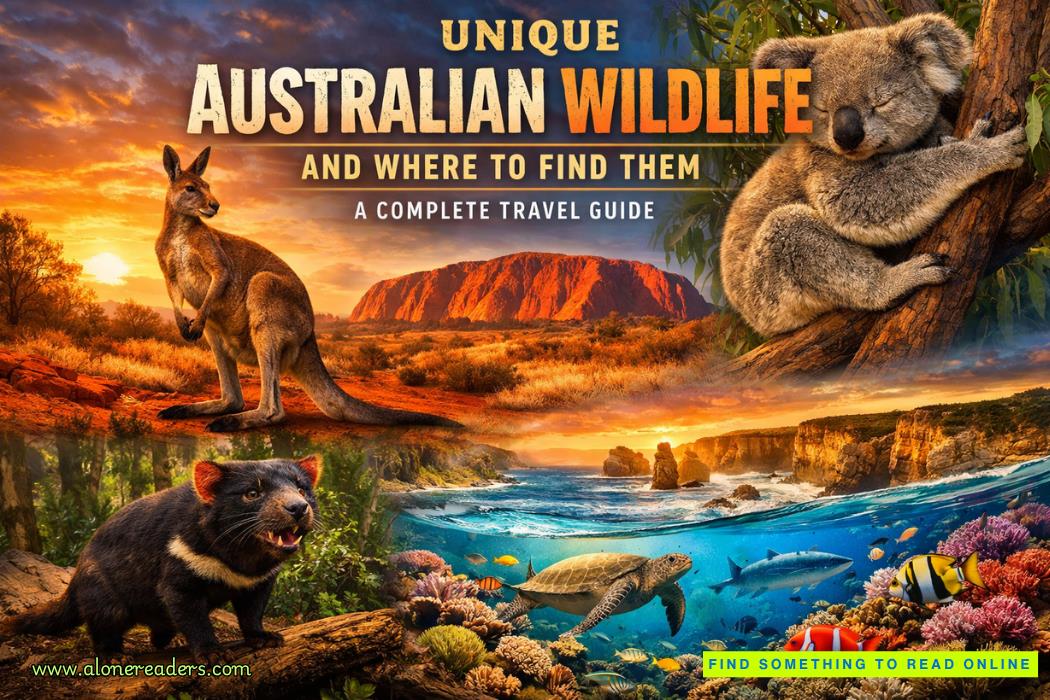 Unique Australian Wildlife and Where to Find Them: A Complete Travel Guide
 Island Hopping in the Philippines: Ultimate Travel Guide to Paradise Adventures
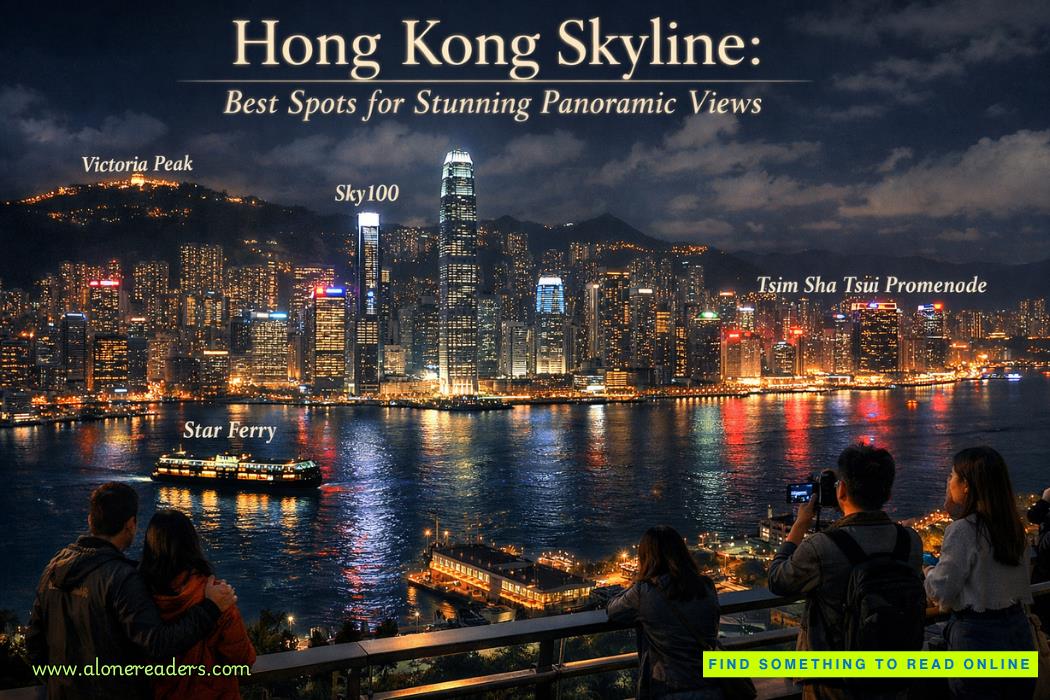 Hong Kong Skyline: Best Spots for Stunning Panoramic Views
 The Enchanting Lijiang: A Complete Guide to Its Ancient Alleys, Culture, and Travel Costs
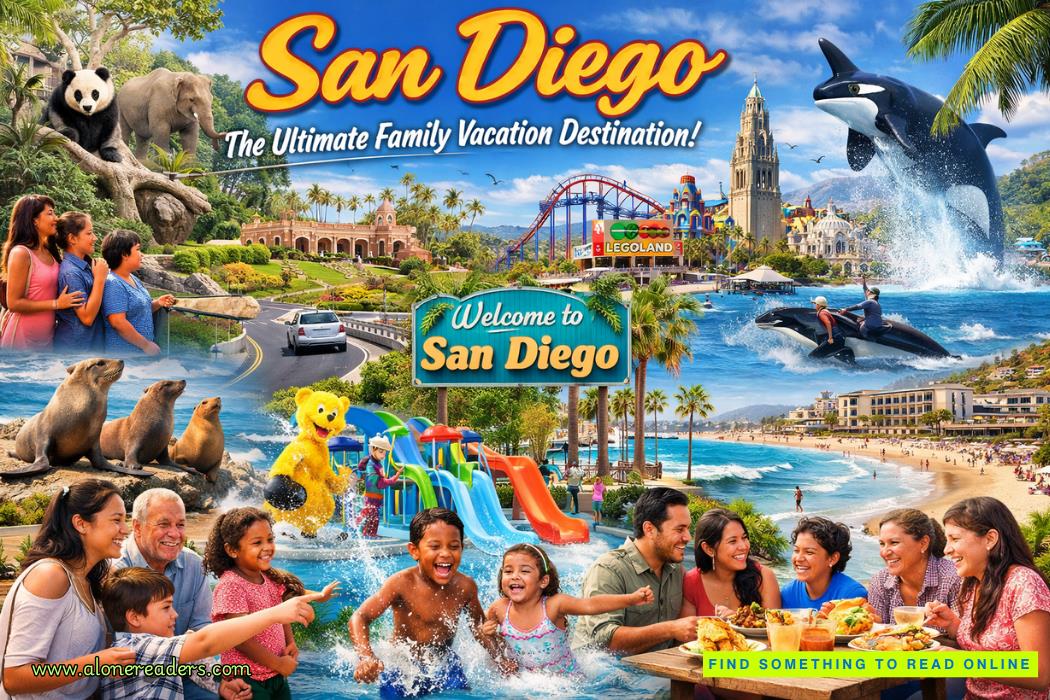 San Diego: The Ultimate Family Vacation Destination (Beaches, Wildlife, and Budget-Smart Fun)
 Unveiling the Mysteries of the Kazan Kremlin: A Complete Travel Guide to Russia’s Historic Gem










