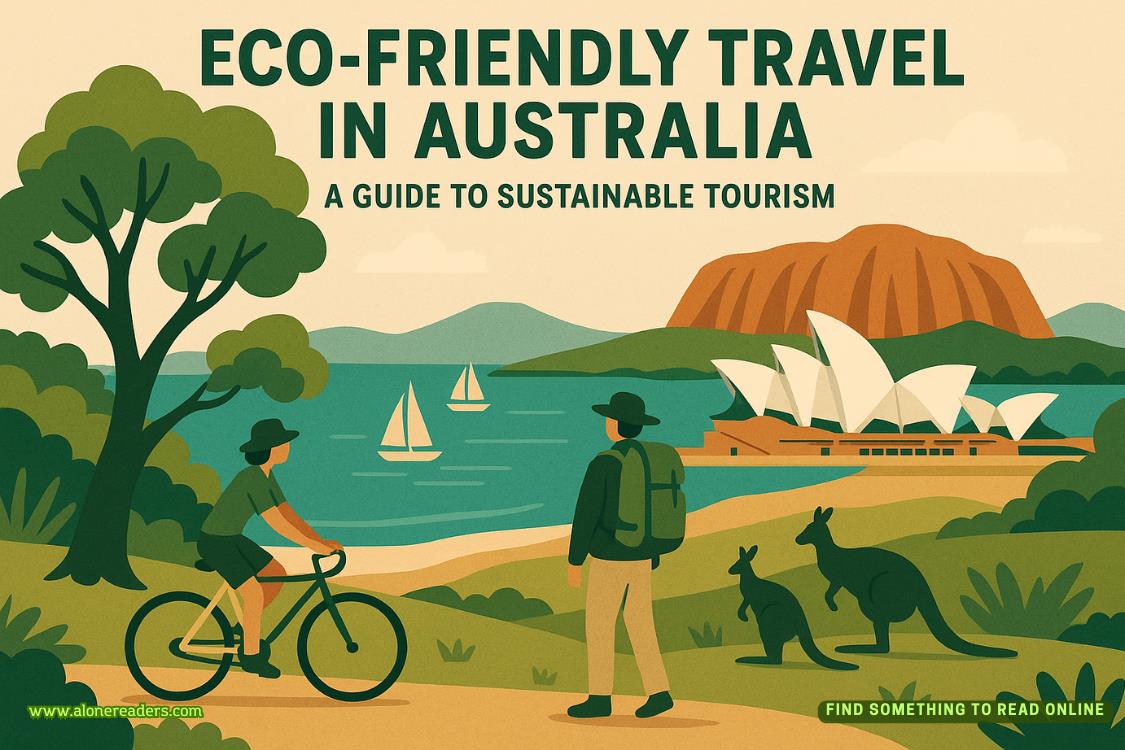
Australia is a land of extraordinary natural wonders, from the iconic Great Barrier Reef to vast deserts, ancient rainforests, and pristine beaches. As one of the most ecologically diverse continents on Earth, it also faces significant environmental challenges, including climate change, coral bleaching, and habitat loss. Eco-friendly travel in Australia is not just a trend but a responsibility. Travelers who adopt sustainable tourism practices help preserve fragile ecosystems, support local communities, and ensure that future generations can enjoy the country’s unique beauty. This guide takes you through eco-conscious ways to experience Australia—covering attractions, accommodations, transportation, food, estimated costs, and important travel cautions.
Great Barrier Reef (Queensland)
The Great Barrier Reef is one of Australia’s most famous natural treasures, but it is also highly vulnerable. Eco-certified tours allow travelers to explore coral gardens, swim with marine life, and even participate in reef conservation activities. Many operators focus on reducing carbon emissions and protecting marine ecosystems.
Estimated Cost: Snorkeling tours from AUD 150–200 per person.
Daintree Rainforest (Queensland)
The Daintree is the world’s oldest tropical rainforest. Travelers can join guided eco-tours that explain Indigenous traditions, spot rare wildlife, and walk canopy bridges without disturbing the ecosystem.
Estimated Cost: Guided tours start around AUD 120.
Kangaroo Island (South Australia)
Kangaroo Island is a sanctuary for wildlife, including kangaroos, koalas, and seals. Sustainable tourism initiatives here focus on wildlife conservation, eco-lodges, and organic food experiences.
Estimated Cost: Wildlife tours from AUD 100–150.
Tasmania’s Wilderness
Tasmania boasts UNESCO World Heritage wilderness areas. Hiking in Cradle Mountain-Lake St Clair National Park or exploring Freycinet National Park provides breathtaking experiences while supporting eco-tourism initiatives.
Estimated Cost: Park entry fees around AUD 40 per vehicle, guided hikes from AUD 90–150.
Australia is vast, and air travel is often necessary, but there are ways to minimize your carbon footprint.
Estimated Costs:
Eco-Lodges and Resorts
Australia has numerous eco-certified lodges that use renewable energy, recycle water, and integrate with natural surroundings. Examples include Daintree Eco Lodge in Queensland and Longitude 131° near Uluru.
Estimated Cost: AUD 250–700 per night.
Camping and Glamping
National parks provide eco-camping options, with minimal environmental impact. Luxury glamping sites offer comfort with sustainable practices like solar energy.
Estimated Cost: AUD 20–50 per night for basic camping; AUD 150–300 for glamping.
City Stays
Eco-certified hotels in major cities focus on green energy, waste reduction, and local produce in restaurants.
Estimated Cost: AUD 120–250 per night.
Farm-to-Table Dining
Restaurants across Australia embrace seasonal, locally sourced produce. Cities like Melbourne and Hobart have thriving farm-to-table dining scenes.
Estimated Cost: AUD 30–60 per meal.
Vegan and Vegetarian Options
Major cities offer vegan-friendly cafes, supporting lower-impact diets. Sydney’s Newtown and Melbourne’s Fitzroy are hubs for plant-based cuisine.
Estimated Cost: AUD 15–30 per meal.
Local Markets
Markets such as Queen Victoria Market in Melbourne and Salamanca Market in Hobart allow travelers to sample organic, locally grown food.
Estimated Cost: AUD 10–20 for market meals.
Eco-friendly travel in Australia is not only possible but deeply rewarding. By choosing eco-certified operators, supporting local communities, and being mindful of your environmental impact, you contribute to the preservation of one of the planet’s most unique landscapes. From rainforests to reefs, deserts to bustling cities, sustainable tourism ensures that the natural and cultural heritage of Australia thrives for generations to come.



 Unique Australian Wildlife and Where to Find Them: A Complete Travel Guide
 Island Hopping in the Philippines: Ultimate Travel Guide to Paradise Adventures
 Hong Kong Skyline: Best Spots for Stunning Panoramic Views
 The Enchanting Lijiang: A Complete Guide to Its Ancient Alleys, Culture, and Travel Costs
 San Diego: The Ultimate Family Vacation Destination (Beaches, Wildlife, and Budget-Smart Fun)
 Unveiling the Mysteries of the Kazan Kremlin: A Complete Travel Guide to Russia’s Historic Gem