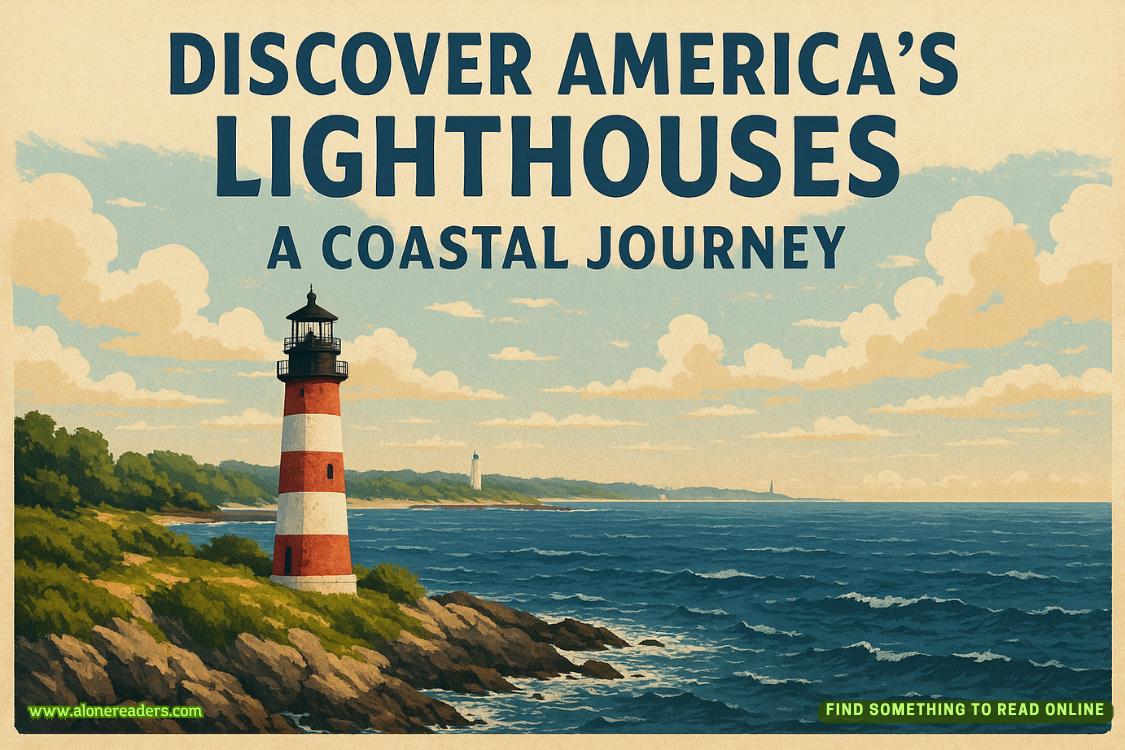
Across the vast American coastline, from the rugged cliffs of Maine to the sunlit shores of California, stand some of the most enchanting landmarks in maritime history — lighthouses. These towers, once vital for guiding ships through fog and storm, now attract travelers seeking scenic views, coastal serenity, and history-rich adventures. A journey to America’s lighthouses is not just a trip — it’s an immersion into stories of survival, craftsmanship, and natural wonder.
This coastal odyssey will take you through some of the most iconic and picturesque lighthouses across the United States — perfect for history lovers, photographers, and peaceful wanderers alike.
Why Visit:
One of the oldest and most photographed lighthouses in the U.S., Portland Head Light was commissioned in 1791 by George Washington. Overlooking the Atlantic’s turbulent waves, it’s a masterpiece of coastal charm and maritime heritage. The adjacent Fort Williams Park adds trails, picnic areas, and historical ruins to explore.
How to Get There:
Located just 8 miles from Portland, visitors can reach it by car via Route 77 South. Taxi or ride-share costs from downtown Portland average around $25–$30 USD one-way.
Where to Stay:
Food to Try:
Travel Caution:
Winters are icy and windy; wear layered clothing and waterproof shoes when visiting between November and March.
Why Visit:
Standing 210 feet tall, Cape Hatteras is the tallest brick lighthouse in America. It guards the “Graveyard of the Atlantic,” where countless ships have met their fate. The sweeping ocean views from the top make the climb of 257 steps well worth it.
How to Get There:
Fly to Norfolk International Airport (Virginia), rent a car, and drive about 3 hours (190 km) south to the Outer Banks.
Where to Stay:
Food to Try:
Estimated Daily Cost: Around $180–$250 USD (including meals, lodging, and fuel).
Travel Caution:
Hurricane season (June–November) can cause closures; check National Park Service updates before visiting.
Why Visit:
Located in America’s oldest city, this lighthouse offers panoramic Atlantic views and a touch of the supernatural — locals claim it’s haunted! It’s surrounded by lush oak trees and a fascinating maritime museum.
How to Get There:
Fly to Jacksonville International Airport, then drive 1 hour south to St. Augustine.
Where to Stay:
Food to Try:
Activities:
Caution:
Summers can be humid and crowded — early spring or late fall offers the best experience.
Why Visit:
Perched dramatically on a 130-foot cliff above Lake Superior, Split Rock Lighthouse is one of the Midwest’s most scenic destinations. Built in 1910 after a deadly storm, it offers breathtaking lake views and rich maritime history.
How to Get There:
From Duluth, it’s about 50 minutes (45 miles) north on Highway 61.
Where to Stay:
Food to Try:
Travel Costs: Expect $180–$250 USD/day depending on lodging.
Caution:
Winter roads can be icy — visit between May and October for safe access.
Why Visit:
Situated in a windswept part of northern California, this lighthouse is famous for whale watching (December–April). The view from the staircase down the cliffside is both thrilling and unforgettable.
How to Get There:
From San Francisco, it’s a 1.5-hour drive (70 miles) via Highway 1.
Where to Stay:
Food to Try:
Activities:
Travel Caution:
Fog can reduce visibility — check weather before planning photoshoots or hikes.
Why Visit:
Built in 1873, Yaquina Head is Oregon’s tallest lighthouse and surrounded by dramatic basalt cliffs and nesting seabirds. The coastal views are among the best in the Pacific Northwest.
How to Get There:
Located in Newport, about 2.5 hours (135 miles) from Portland via US-20 W.
Where to Stay:
Food to Try:
Travel Caution:
The path to the lighthouse can be slippery in rain — wear proper footwear.
Why Visit:
This is the easternmost point in the continental U.S. Visitors can watch the country’s first sunrise from here. The candy-striped red-and-white design makes it an iconic photo spot.
How to Get There:
Fly into Bangor International Airport, then drive 3 hours northeast to Lubec.
Where to Stay:
Food to Try:
Water Street Tavern – Lobster bisque and craft beer (~$25–$35 per meal).
Travel Cost Estimate: Around $160–$200/day.
Caution:
Remote location means limited cell coverage and dining options; plan accordingly.
Why Visit:
Accessible only during low tide, this picturesque lighthouse sits on a small islet and feels like a step back in time. Visitors can explore its museum and enjoy tidepool exploration nearby.
How to Get There:
Located on the northern California coast, reachable via US-101, about 6 hours from San Francisco.
Where to Stay:
Food to Try:
SeaQuake Brewing – Local favorite with seafood and craft beer (~$25–$35).
Caution:
Check tide schedules before crossing — water rises quickly and can trap visitors.
| Category | Budget (USD/day) | Mid-Range (USD/day) | Luxury (USD/day) |
|---|---|---|---|
| Accommodation | $100–$150 | $180–$250 | $300+ |
| Meals | $40–$60 | $80–$120 | $150+ |
| Transportation | $50–$80 | $100 | $150+ |
| Total Estimate | $190–$290/day | $300–$470/day | $600+/day |
Exploring America’s lighthouses is more than sightseeing — it’s tracing the luminous history of the nation’s coastlines. Each tower tells a story: of sailors lost and saved, storms weathered, and communities built around perseverance and beauty. Whether you’re standing at the edge of Maine watching the sunrise or gazing across California’s foggy cliffs, these lighthouses remind us that even in the darkest nights, there’s always a light to guide the way.



 Unique Australian Wildlife and Where to Find Them: A Complete Travel Guide
 Island Hopping in the Philippines: Ultimate Travel Guide to Paradise Adventures
 Hong Kong Skyline: Best Spots for Stunning Panoramic Views
 The Enchanting Lijiang: A Complete Guide to Its Ancient Alleys, Culture, and Travel Costs
 San Diego: The Ultimate Family Vacation Destination (Beaches, Wildlife, and Budget-Smart Fun)
 Unveiling the Mysteries of the Kazan Kremlin: A Complete Travel Guide to Russia’s Historic Gem










