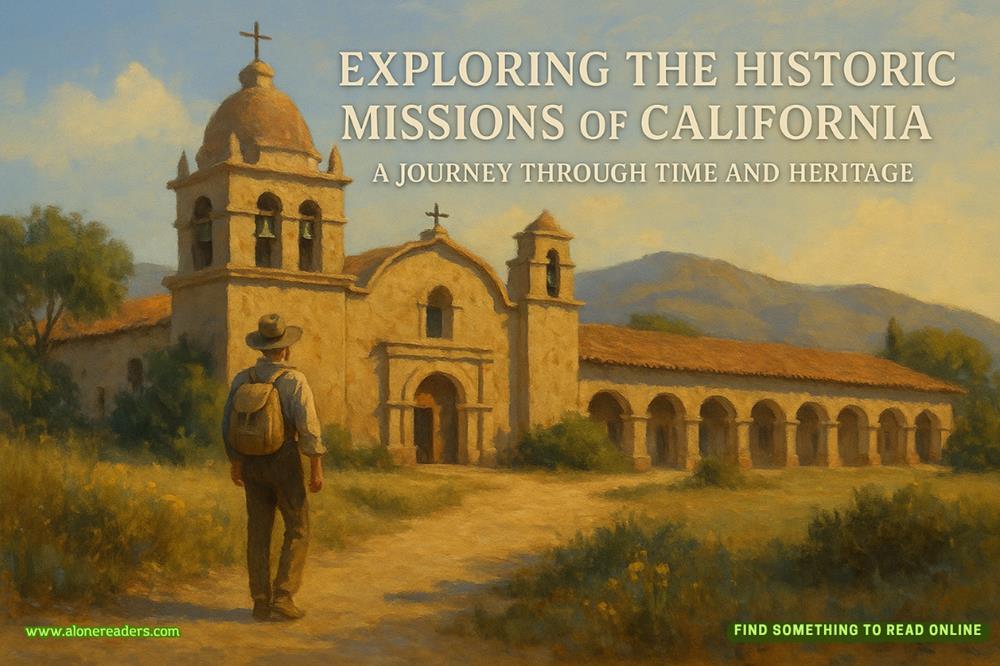
California’s historic missions are more than religious relics—they’re living symbols of a time when Spanish explorers and Franciscan friars shaped the early history of the American West. Built between 1769 and 1833, these 21 missions stretch from San Diego in the south to Sonoma in the north, each representing a blend of Spanish, Mexican, and Native Californian culture. Today, they attract travelers for their architecture, art, serene gardens, and deep cultural roots. Whether you’re a history enthusiast or a casual traveler, exploring these missions offers a fascinating look into California’s past and a peaceful escape from the bustling cities.
El Camino Real, meaning “The Royal Road,” is the legendary route connecting all 21 California missions. Spanning nearly 600 miles, this trail follows the old path of early Spanish missionaries. Along the way, travelers can visit major missions such as:
Each mission has a unique architectural style—thick adobe walls, red-tiled roofs, bell towers, and tranquil courtyards—telling its own story of faith, hardship, and endurance.
Visiting California’s missions feels like stepping into another era. Most missions are surrounded by colorful gardens filled with bougainvillea, cacti, and roses, while their chapels feature handcrafted wooden altars and centuries-old frescoes.
In Carmel, Mission San Carlos hosts candlelight concerts, while Mission San Juan Capistrano offers seasonal cultural festivals with live music and artisan markets.
Traveling the mission trail is best done by car, as the missions are spread across California’s coastal corridor.
Best Time to Visit: Spring (March–May) and autumn (September–November) are ideal for pleasant weather and fewer crowds.
Depending on your route, accommodations range from budget motels to charming boutique hotels and historic inns.
Travelers on a budget can choose chain motels ($80–$120/night) or Airbnb stays ($100–$150/night) depending on location and season.
Food along the mission route reflects California’s multicultural heritage.
Many missions also have on-site cafés or local bakeries serving freshly baked bread and traditional desserts inspired by Spanish recipes.
For a 7–10 day mission road trip, here’s an approximate budget breakdown:
Estimated Total: Around $1,900–$3,400 USD for a full cultural and scenic experience.
While California’s mission trail is generally safe and tourist-friendly, a few cautions will ensure a smooth trip:
For photography enthusiasts, early morning and late afternoon light beautifully capture the warm adobe tones of the mission walls.
Exploring the historic missions of California is like taking a step back into the 18th century while enjoying the vibrant modern landscape of the Golden State. From the sun-soaked courtyards of San Diego to the misty bell towers of Sonoma, each mission tells a story of faith, endurance, and transformation. Whether you drive the full El Camino Real or visit just a few along your route, this journey promises culture, history, and natural beauty all rolled into one unforgettable travel experience.



 Unique Australian Wildlife and Where to Find Them: A Complete Travel Guide
 Island Hopping in the Philippines: Ultimate Travel Guide to Paradise Adventures
 Hong Kong Skyline: Best Spots for Stunning Panoramic Views
 The Enchanting Lijiang: A Complete Guide to Its Ancient Alleys, Culture, and Travel Costs
 San Diego: The Ultimate Family Vacation Destination (Beaches, Wildlife, and Budget-Smart Fun)
 Unveiling the Mysteries of the Kazan Kremlin: A Complete Travel Guide to Russia’s Historic Gem










