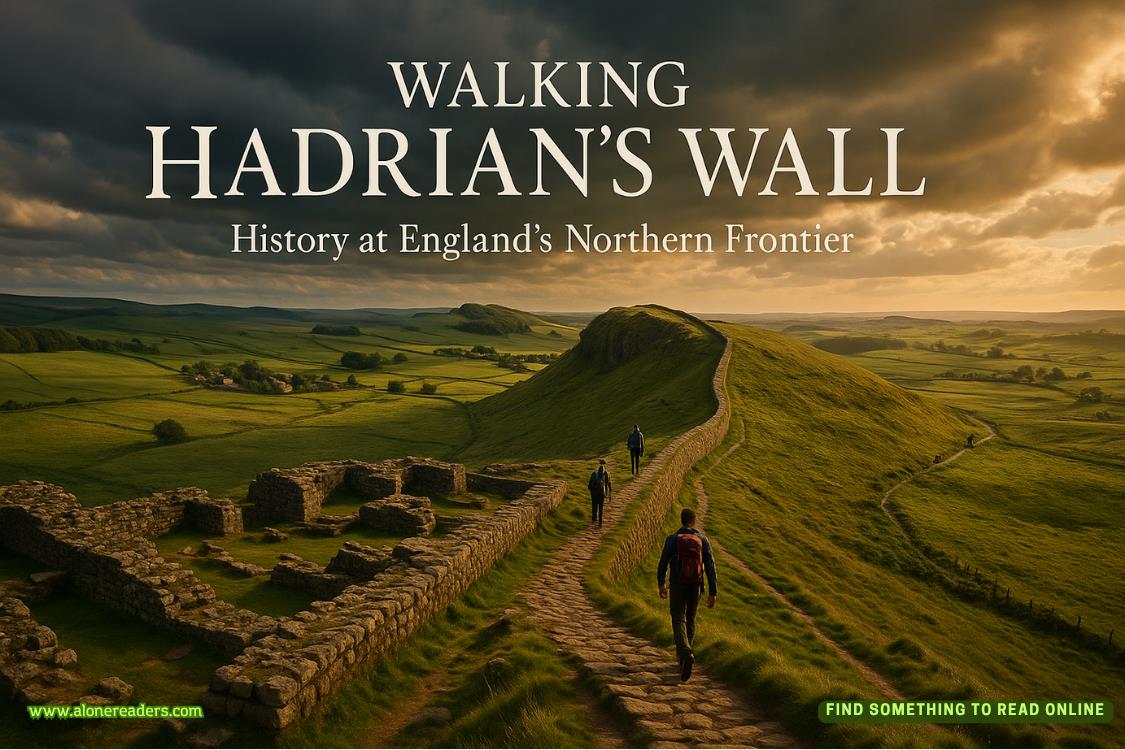
Stretching across the rugged landscape of northern England, Hadrian’s Wall stands as one of the most iconic remnants of the Roman Empire. Built nearly two millennia ago to mark the empire’s northernmost boundary, this UNESCO World Heritage Site runs for approximately 73 miles (118 km) from Wallsend on the River Tyne to Bowness-on-Solway near the Irish Sea. Today, it attracts travelers from around the world who come to walk along its ancient stones, explore the remnants of Roman forts, and soak in the breathtaking scenery of windswept moors, tranquil pastures, and timeless villages.
Unlike most tourist attractions, Hadrian’s Wall is more than a single site—it’s a journey through history and countryside. Walking it is both a physical adventure and a meditative experience that connects travelers to Britain’s ancient roots.
Commissioned by the Roman Emperor Hadrian around AD 122, the wall was built to protect the Roman province of Britannia from tribes in the north—modern-day Scotland. The massive structure, originally about 15 feet high and 10 feet wide, was fortified with milecastles, turrets, and forts at regular intervals.
Over centuries, the wall witnessed Roman soldiers, traders, and settlers shaping life at the empire’s edge. Today, well-preserved sections like Housesteads Fort, Vindolanda, and Chesters Roman Fort offer glimpses into the lives of those who once lived and guarded this frontier.
Walking Hadrian’s Wall isn’t just about history—it’s about landscapes that shift from wild moorlands to gentle farmlands, from panoramic ridges to quiet villages.
Top Highlights:
The wall’s central section between Chollerford and Greenhead is often considered the most scenic, with craggy ridges, open skies, and dramatic photo opportunities at every turn.
Hadrian’s Wall is accessible from several major cities in northern England.
By Train:
By Car:
By Bus:
The AD122 Hadrian’s Wall Country Bus (seasonal, April–October) conveniently connects main attractions between Hexham and Haltwhistle.
The Hadrian’s Wall Path is a National Trail that takes about 6 to 8 days to complete depending on pace and stops. It runs coast to coast, so you can start at either Wallsend (east) or Bowness-on-Solway (west).
Suggested Itinerary (6-Day Route):
Difficulty: Moderate. Some sections are hilly and exposed to wind, but well-marked and safe for most fitness levels.
Accommodation options along the wall cater to all budgets, from hostels and B&Bs to boutique inns.
Average Costs (per night):
Recommended Stays:
Food & Dining:
Expect hearty English meals—ideal after a day’s walk.
Self-catering options are also available for campers or budget travelers. Many B&Bs offer packed lunches for £6–£8.
| Expense | Approx. Cost (GBP) |
|---|---|
| Accommodation (mid-range) | £600 |
| Meals and Drinks | £200 |
| Transportation (train + local travel) | £120 |
| Site entry & museums | £60 |
| Miscellaneous | £70 |
| Total Estimated Cost | £1,000 (≈ $1,200 USD) |
Walking Hadrian’s Wall is not just a journey through the rolling hills of northern England—it’s a passage through time. Every mile tells a story of empire, endurance, and the enduring beauty of Britain’s countryside. From Roman ruins and cozy inns to windswept moors and friendly locals, this trail offers a rare combination of adventure, history, and peace.
Whether you walk a short section or complete the entire coast-to-coast route, Hadrian’s Wall promises an unforgettable experience that bridges the ancient and the modern, the human and the wild.



 Unique Australian Wildlife and Where to Find Them: A Complete Travel Guide
 Island Hopping in the Philippines: Ultimate Travel Guide to Paradise Adventures
 Hong Kong Skyline: Best Spots for Stunning Panoramic Views
 The Enchanting Lijiang: A Complete Guide to Its Ancient Alleys, Culture, and Travel Costs
 San Diego: The Ultimate Family Vacation Destination (Beaches, Wildlife, and Budget-Smart Fun)
 Unveiling the Mysteries of the Kazan Kremlin: A Complete Travel Guide to Russia’s Historic Gem