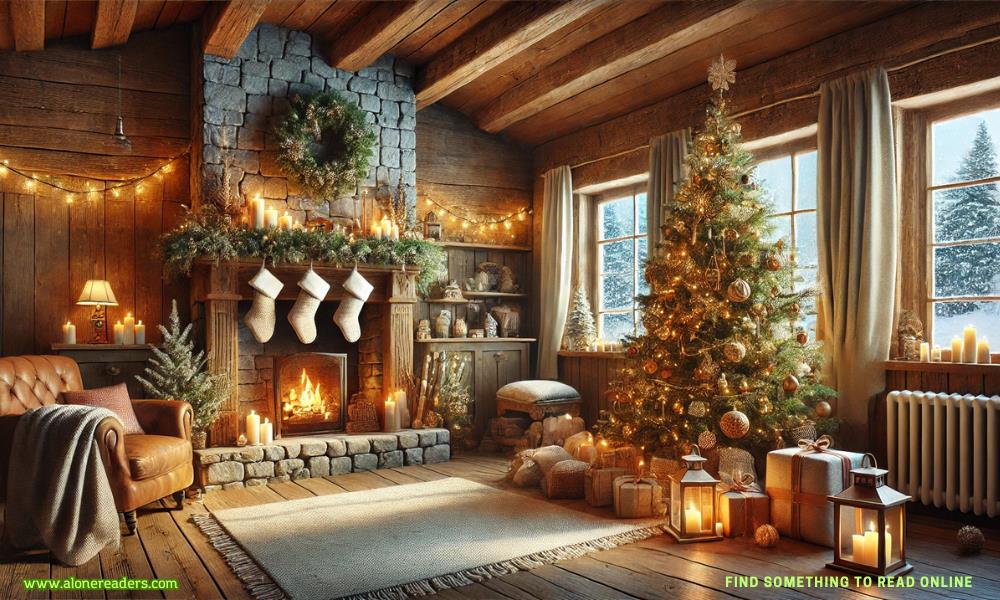
The holiday season evokes memories, scents, and visuals that take us back to childhood: the sound of crackling fireplaces, old family ornaments carefully unboxed, and the unmistakable charm of decorations that have seen many winters. In recent years, the trend of vintage and thrifted holiday decorations has surged dramatically—not as a fleeting design fad, but as a meaningful lifestyle shift. As global consumers move toward sustainability, emotional connection, and stylistic individuality, the holiday season becomes the perfect canvas for nostalgia-infused décor that feels authentic, personal, and full of character.
This resurgence is not simply about aesthetics; it is a cultural return to emotional warmth and tradition, celebrating the stories behind each ornament, not just their price tags or glossy packaging. Whether it's a glass bauble from the 1950s or a hand-stitched stocking discovered in a local thrift shop, each piece adds a layer of history to modern homes—turning every living room into a curated archive of holiday memories.
Emotional comfort in uncertain times
During periods of social and economic stress, people naturally gravitate toward comforting symbols. Nostalgic décor acts as a visual anchor, reminding us of simpler times and family-centered traditions.
Desire for individuality
Modern holiday décor often feels mass-produced and repetitive. Vintage decorations offer uniqueness—an ornament found at a flea market or a ceramic reindeer handed down from a grandmother carries a personality no store-bought item can replicate.
Rise of slow decorating
Fast fashion has influenced décor for years, but now the tide is turning. People prefer slow decorating—collecting meaningful items over time, building holiday aesthetics intentionally rather than buying everything at once.
Classic Glass Ornaments
Hand-painted or mercury glass ornaments from the 1940s–1970s are in high demand. Their imperfections and faded colors enhance their charm, giving trees an authentic historical touch.
Tinsel & Metallic Garlands
The shiny tinsel of decades past has resurfaced, especially in muted silver and champagne tones. Instead of being used excessively, it’s now styled sparingly for subtle shimmer.
Mid-Century Modern Christmas
Geometric tree toppers, atomic-era starbursts, and Scandinavian wood figurines are seeing renewed popularity—especially among homeowners with minimalist styles.
Homemade Touches
Handstitched stockings, crocheted snowflakes, and paper chains are being revived as families enjoy crafting sessions together during December.
Vintage Christmas Cards Displayed as Décor
Instead of being kept in drawers, antique holiday cards are framed, strung as garlands, or displayed on wooden stands—bringing history into modern spaces.
Thrift stores, flea markets, estate sales, and local charity shops have become treasure troves for holiday decorators. The thrill lies not only in finding a good piece but in discovering its story—who owned it, how it was used, and what era it belonged to.
Benefits of thrifting holiday décor:
• Eco-friendly – Buying secondhand reduces waste and manufacturing impact
• Affordable – Unique items at budget-friendly prices
• One-of-a-kind style – No two homes look the same
• Storytelling value – Décor gains sentiment and character
• Preserving craftsmanship – Many older pieces were handmade and built to last
Today’s homeowners are not just shopping—they are curating history.
Start small with accents
If your home is contemporary, begin with smaller vintage elements like classic candleholders, vintage mugs for a hot cocoa station, or retro-style stockings.
Blend old with new
A modern prelit tree can still host vintage glass ornaments. Mixing eras adds depth and visual interest.
Use neutral backdrops
White walls, wooden shelves, or minimalist furniture help vintage décor stand out rather than clash.
Curate like a museum
Group similar items—ceramic figurines on a mantle, classic toy trains near the tree, or retro postcards on a bulletin wall. Present them intentionally.
Create visual layering
Place vintage linens over solid-colored tablecloths. Add brass bells or gold-rimmed glasses to deepen the aesthetic presence.
Beyond aesthetics and emotion, there is a serious environmental factor behind the vintage revival. Holiday décor is often used for just a few weeks, yet millions of new items are manufactured every year. By choosing thrifted and repurposed decorations, consumers reduce carbon footprints—and transform festive styling into a sustainable lifestyle statement.
Eco-conscious decorating strategies:
• Repurpose old fabrics into garlands or stockings
• Use secondhand baskets for ornament storage
• Replace plastic decorations with wood or ceramic pieces
• Wrap gifts using reused cloth or vintage scarves
• Avoid disposable décor and invest in timeless items
This is not only better for the environment—it also leads to warmer, more personal homes.
For those who cannot access true vintage items, a growing DIY movement has emerged. People are now aging ornaments artificially, distressing wood, tea-staining fabrics, and replicating mid-century design patterns. Entire online communities share tutorials on creating fake mercury glass, hand-painted baubles, and retro-style window illustrations.
Popular DIY décor ideas:
• Tea-stained holiday banners
• Aged music sheets turned into garlands
• Salt dough ornaments
• Handmade felt figurines
• Vintage-style gift tags
• Wooden advent calendars with sliding drawers
This revival is less about imitation and more about reclaiming the spirit of creativity and craft that defined holidays in the past.
Decorating with vintage items is most impactful when each piece feels meaningful. Instead of simply placing items randomly, try narrative decorating—building spaces that tell a story.
Ideas for narrative holiday setups:
• A mantel representing a 1950s Christmas morning
• A display of antique toys under the tree
• Vintage travel-themed holiday corner with postcards and luggage tags
• A family memory shelf holding passed-down ornaments
• Wooden crate displays labeled by decade (40s, 60s, 80s)
By designing décor with intention, your home becomes a living timeline—where past and present coexist beautifully.
Many families are bringing back the tradition of inheriting holiday ornaments. Instead of buying new each year, they are handing down a curated collection through generations.
Ways to preserve family décor history:
• Keep a photo archive of decorations over the years
• Label ornaments with dates or stories
• Create a memory box for special pieces
• Host a “story night” where elders share decoration history
• Start a yearly scrapbook documenting the tree and its ornaments
This approach turns decoration into an emotional ritual, not just a visual exercise.
The comeback of vintage and thrifted holiday décor reflects more than a design preference—it represents a cultural shift toward meaning over materialism. As homes prepare for the festive season, people are choosing to decorate with intention, memory, sustainability, and emotion. Instead of buying a pre-packaged aesthetic, they are building a celebration that feels deeply personal—rooted in history, touched by hands, and rich with memory.
In a world moving faster every year, perhaps this is the reason nostalgic traditions are resurfacing: not because they are old, but because they remind us who we are—and who we’ve always been.



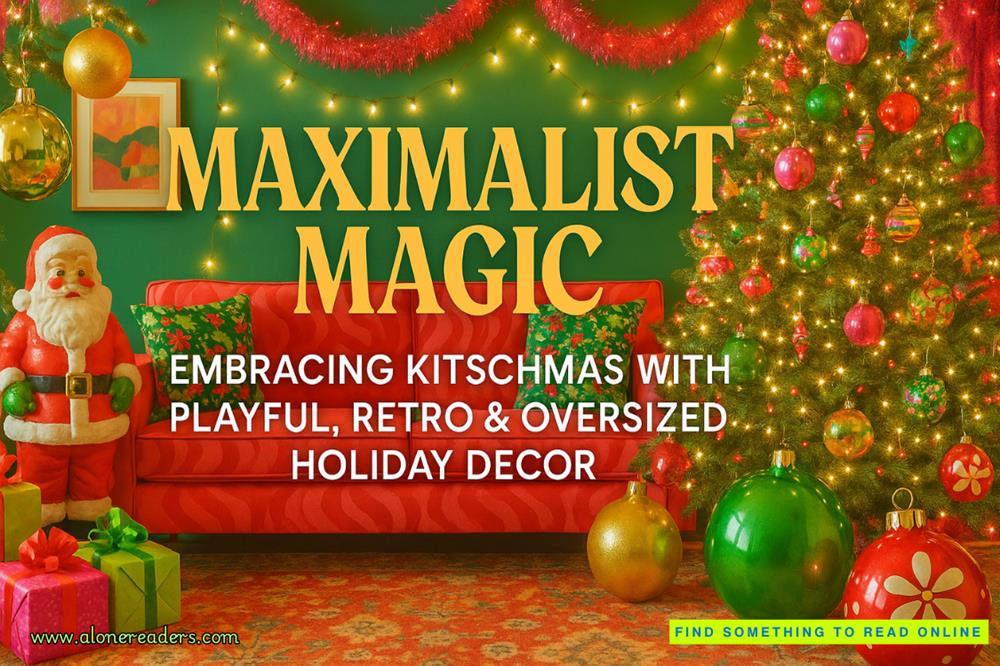 Maximalist Magic: Embracing Kitschmas with Playful, Retro & Oversized Holiday Decor
 Bows Are Back: Stylish Ways to Use Bold Striped Ribbons Across Your Festive Home
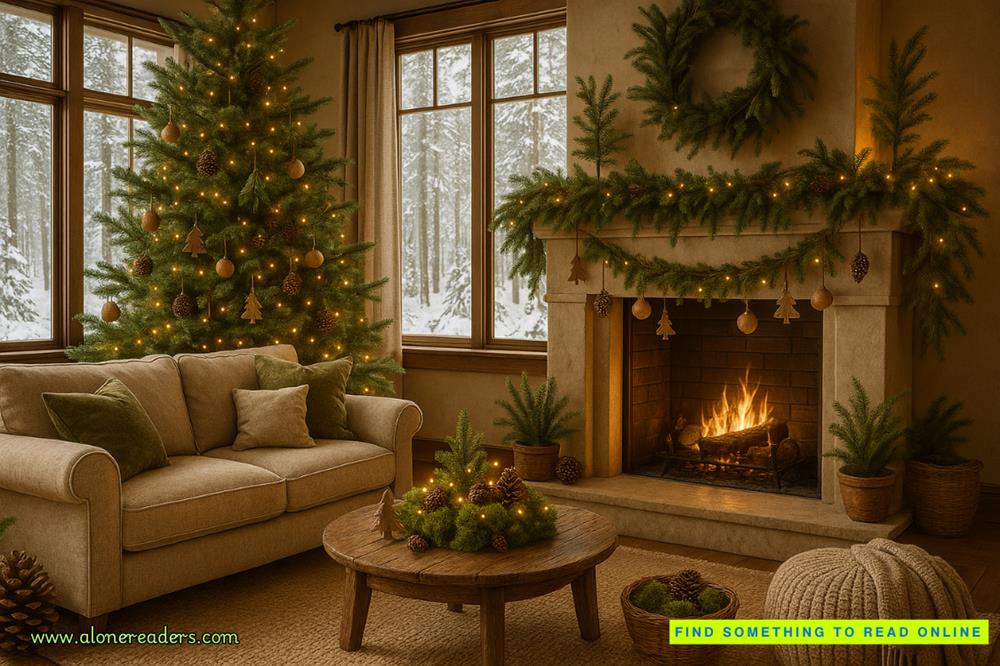 Nature-Inspired Christmas: Transform Your Home with Forest Ornaments & Lush Greenery
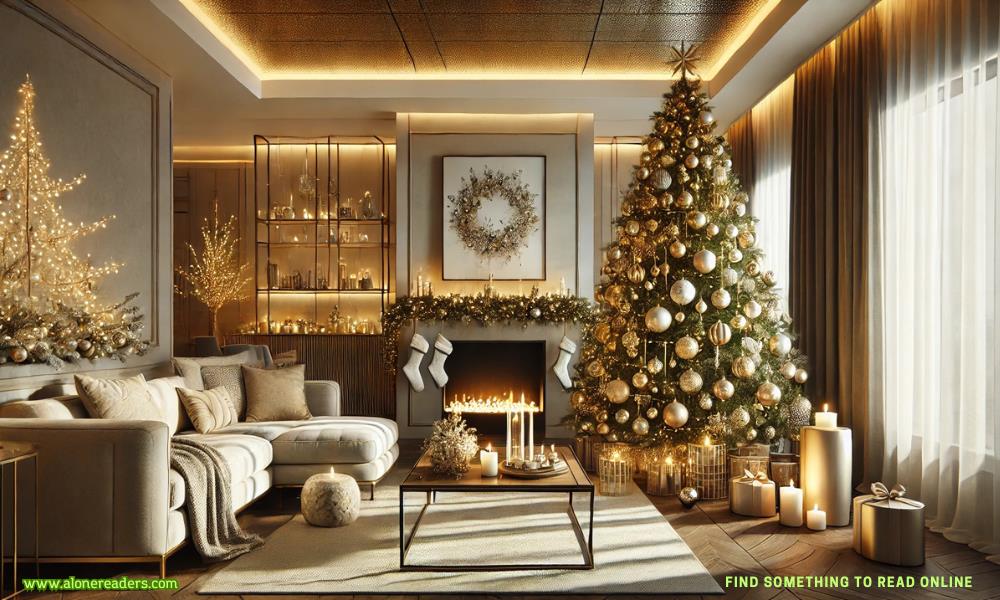 Elegant Christmas Decorating Tips: Transform Your Home into a Festive Masterpiece
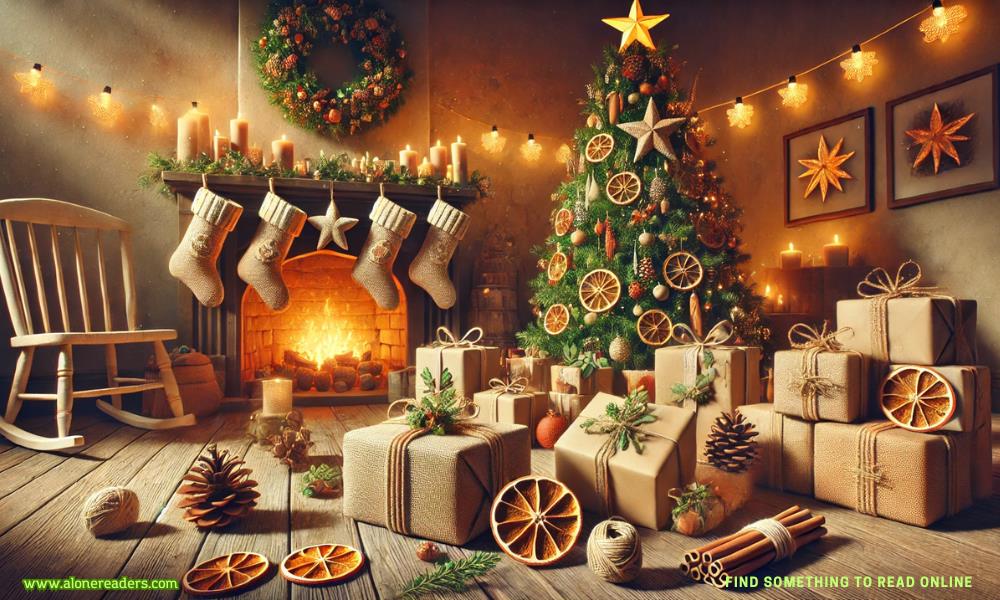 Eco-Friendly Christmas Decorations: Sustainable Holiday Décor Ideas
 Rustic Christmas Decor Ideas: Bring the Warmth of the Season Indoors