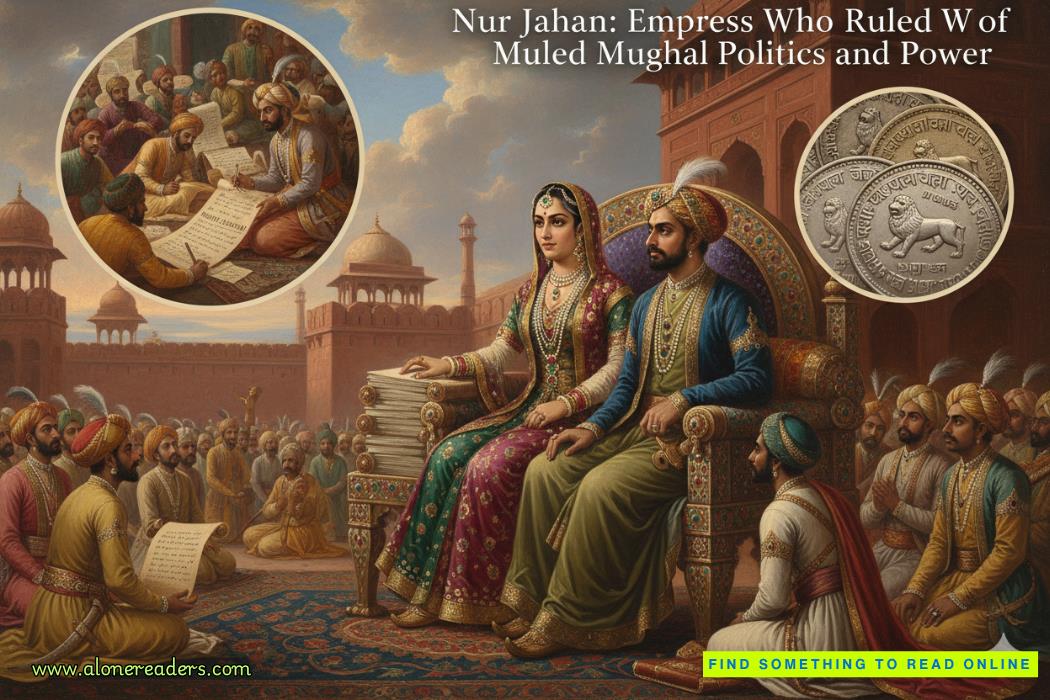
Nur Jahan stands as one of the most remarkable and politically influential women in the history of the Mughal Empire, a figure whose authority extended far beyond the traditional confines of royal femininity. Born as Mehr-un-Nissa, she rose from relative obscurity to become the de facto ruler of one of the most powerful empires in the early modern world. Her life represents not only a story of personal ambition and intelligence but also a profound shift in the dynamics of imperial power, where a woman could exert direct influence over governance, military decisions, and diplomatic strategies.
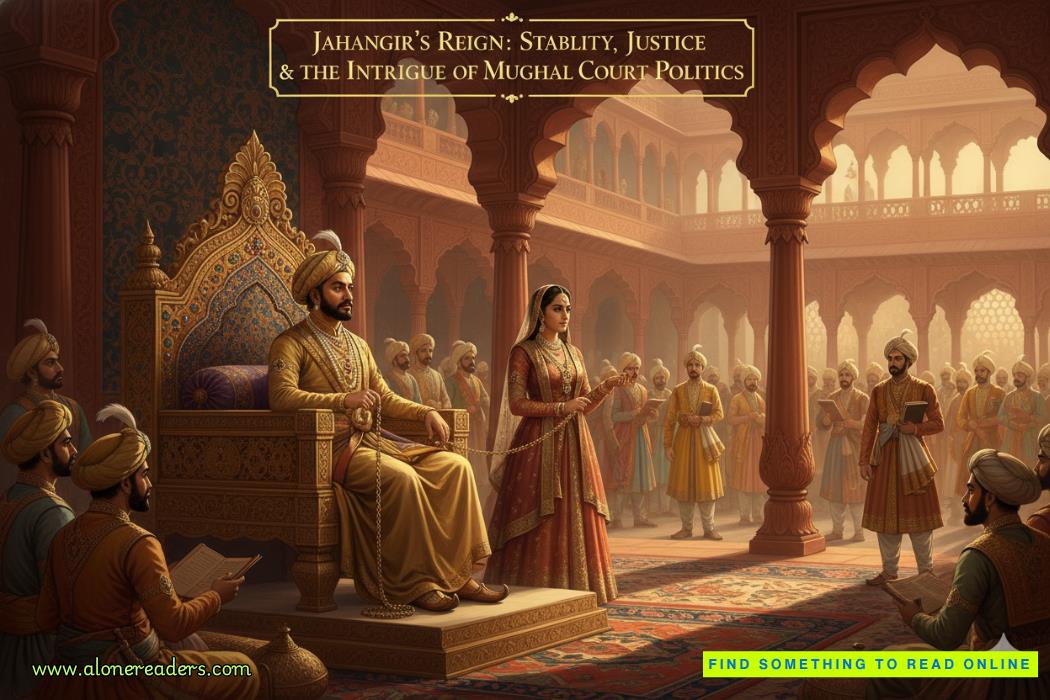
Her ascent began with her marriage to Emperor Jahangir in 1611, a turning point that redefined the structure of Mughal authority. Jahangir, known for his artistic sensibilities and indulgent lifestyle, gradually delegated increasing responsibilities to Nur Jahan, who demonstrated exceptional administrative skill and political acumen. Unlike many royal consorts who remained confined to ceremonial roles, Nur Jahan actively participated in state affairs, issuing orders, influencing imperial policies, and even appearing in courtly decisions.
One of the most striking indicators of her power was the issuance of imperial farmans, or royal decrees, in her name. This was an extraordinary departure from Mughal tradition, as such authority was typically reserved exclusively for the emperor. The presence of her name on official documents symbolized her institutionalized political authority, not merely informal influence. Furthermore, coins were minted bearing her name alongside Jahangir’s, an unprecedented acknowledgment of her sovereign status. These acts were not symbolic gestures; they were concrete affirmations of her role as a co-ruler.
Nur Jahan’s political strategy was deeply rooted in building a strong and loyal faction within the Mughal court. She carefully positioned her family members in key administrative and military roles, creating what historians often describe as the “Nur Jahan Junta.” Her father, Mirza Ghiyas Beg, was elevated to the position of Itimad-ud-Daulah, effectively becoming the empire’s chief minister, while her brother Asaf Khan held significant influence as a high-ranking noble. Through this network, Nur Jahan ensured that decision-making processes aligned with her interests and that her authority remained secure.
Her influence extended into matters of succession, one of the most critical aspects of Mughal politics. The question of who would inherit the throne after Jahangir became a focal point of intense political maneuvering, and Nur Jahan played a decisive role in shaping this outcome. She supported the claim of her son-in-law, Prince Shahryar, in an attempt to maintain her influence over the empire. However, this move placed her in direct opposition to Prince Khurram, later known as Shah Jahan, who ultimately emerged victorious. This conflict illustrates the high-stakes nature of Mughal succession politics and Nur Jahan’s willingness to engage in them at the highest level.
Beyond court intrigue, Nur Jahan also demonstrated a keen understanding of economic and administrative governance. She was actively involved in trade policies and patronized commercial activities, particularly those related to luxury goods such as textiles and perfumes. Her interest in economic affairs contributed to the stability and prosperity of the empire during Jahangir’s reign. Moreover, she was known for her charitable works and efforts to support widows and orphaned girls, reflecting a dimension of her leadership that combined political authority with social responsibility.
Her role in military affairs further underscores her exceptional position. While she did not lead armies in the traditional sense, her strategic input influenced military campaigns and decisions. There are accounts of her taking decisive action during crises, including organizing defenses and negotiating with rebellious factions. This involvement highlights her versatility as a leader who could navigate both the administrative and martial aspects of governance.
Culturally, Nur Jahan left an enduring legacy that complemented her political achievements. She was a patron of architecture, art, and fashion, contributing to the refinement of Mughal aesthetics. The tomb of Itimad-ud-Daulah in Agra, commissioned by her, is often regarded as a precursor to the Taj Mahal, showcasing intricate marble inlay work and architectural innovation. Her influence on fashion, particularly in the design of garments and jewelry, set trends that resonated throughout the empire. These contributions illustrate how her authority extended into shaping the cultural identity of the Mughal court.
Despite her remarkable achievements, Nur Jahan’s power was not without controversy. Her dominance in court politics attracted criticism from certain nobles who viewed her influence as excessive or destabilizing. The concentration of power within her family network also led to accusations of favoritism and manipulation. However, these criticisms must be understood within the broader context of Mughal political culture, where factionalism and power struggles were common. In many ways, Nur Jahan’s actions mirrored those of male counterparts who employed similar strategies to consolidate authority.
The decline of her political influence began with Jahangir’s death in 1627. Without the emperor’s support, her position became vulnerable, and the accession of Shah Jahan marked the end of her direct involvement in governance. She spent her remaining years in relative seclusion, focusing on charitable activities and architectural projects. Yet, even in retirement, her legacy as a powerful and influential figure remained intact.
What makes Nur Jahan’s story particularly compelling is the way it challenges conventional narratives of gender and power in pre-modern societies. She did not merely operate within the existing framework of Mughal politics; she redefined its possibilities, demonstrating that authority could be exercised through intelligence, strategy, and resilience rather than formal titles alone. Her ability to navigate a male-dominated political environment and emerge as a central figure in imperial governance speaks to her extraordinary capabilities.
In examining her role, it becomes clear that Nur Jahan was not simply an influential consort but a central architect of Mughal political dynamics during Jahangir’s reign. Her decisions shaped the course of the empire, influenced its administrative structure, and left a lasting imprint on its cultural and political landscape. The fact that her authority was recognized through official channels, such as coinage and decrees, underscores the legitimacy of her power.
Her legacy continues to resonate in historical discourse, offering insights into the complexities of leadership, gender, and authority. She serves as a reminder that power in the Mughal Empire was not always confined to the throne but could be exercised through networks, relationships, and strategic acumen. In this sense, Nur Jahan’s life represents a unique intersection of personal ambition and political transformation, making her one of the most fascinating figures in the history of the Mughal Empire.
The story of Nur Jahan ultimately reveals that the Mughal court was a space where influence could be negotiated and redefined, and where an individual of exceptional talent could rise to shape the destiny of an empire. Her journey from Mehr-un-Nissa to Nur Jahan, the “Light of the World,” encapsulates a narrative of empowerment, resilience, and enduring impact that continues to captivate historians and readers alike.



 The Hundred Days Offensive: How the Allies Defeated Germany in World War I
 The Second Battle of the Marne: The Turning Point of World War I in 1918
 The Spring Offensive of 1918: Germany's Final Gamble to Win World War I
 The Treaty of Brest-Litovsk: How Russia Left World War I
 The Russian Revolution and World War I: How War Brought Down the Tsar
 The Zimmermann Telegram Explained: Germany's Secret Offer to Mexico in World War I