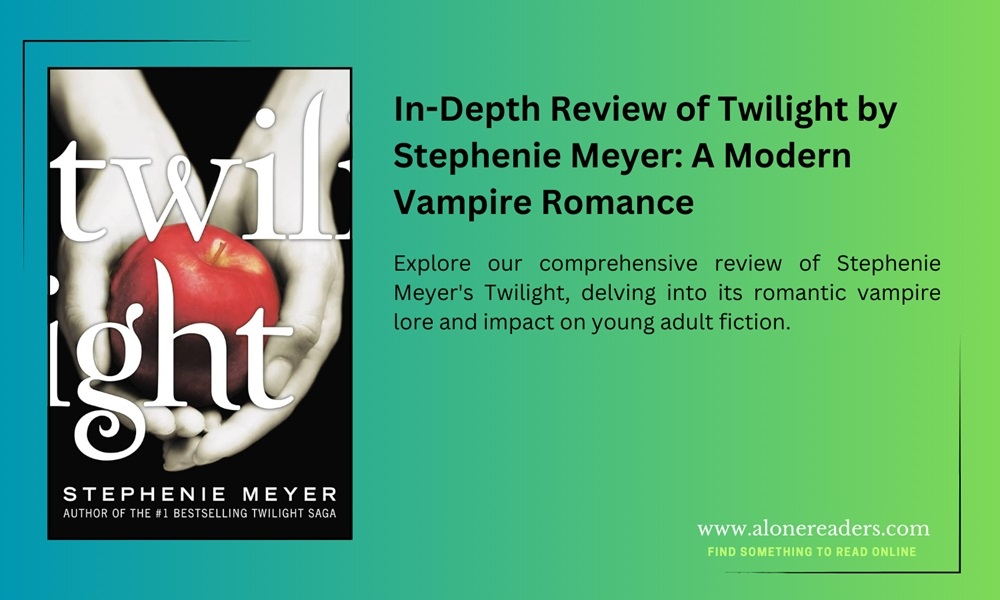
Stephenie Meyer's debut novel, "Twilight," has undeniably left a lasting impact on the young adult fiction landscape. Released in 2005, this book swiftly became a bestseller, captivating a vast audience with its unique blend of romance, fantasy, and coming-of-age drama. Set in the gloomy town of Forks, Washington, "Twilight" introduces us to Bella Swan, a seventeen-year-old girl who relocates to live with her father and soon finds herself entwined in the mysterious world of Edward Cullen, a seemingly young and enigmatic classmate, who is revealed to be a vampire.
The core of "Twilight" lies in the burgeoning romance between Bella and Edward. Meyer crafts a relationship that is both intense and problematic, marked by Edward's supernatural allure and Bella's human vulnerability. The novel explores the theme of forbidden love in a manner that resonates deeply with its teenage audience. Meyer's writing, while accessible, does occasionally lapse into overwrought prose, but this seems to only enhance the appeal for its intended demographic, who find in it a voice for their own intense emotions and experiences.
Character development in "Twilight" is a mixed bag. Bella Swan, as the narrator, is relatable to many teenagers, with her feelings of awkwardness and alienation. However, her character often lacks depth and agency, particularly in her interactions with Edward, which can be troubling from a feminist standpoint. Edward Cullen, on the other hand, is the quintessential brooding hero, torn between his love for Bella and the inherent dangers that his vampire nature poses to her. His character offers an intriguing glimpse into the burdens of immortality and the struggles of maintaining one's humanity.
One cannot discuss "Twilight" without addressing the unique lore of vampires that Meyer introduces. Straying from traditional vampire mythology, Meyer's vampires sparkle in the sunlight instead of burning, and they possess varied supernatural abilities. This fresh take on vampire lore has been both praised for its originality and criticized for straying too far from established conventions. However, it is precisely this reinvention that allowed "Twilight" to stand out and capture the imagination of a new generation.
The novel also touches upon themes of identity, choice, and morality, albeit sometimes superficially. Bella's attraction to the dangerous world of vampires metaphorically represents the universal teenage journey of self-discovery and the allure of the unknown. The moral dilemmas posed by Edward's vampire nature, and his family's decision to refrain from consuming human blood, add a layer of ethical contemplation to the narrative.
Meyer's narrative style is straightforward and immersive, making "Twilight" an easy and engaging read. While her descriptions of the gloomy, rain-soaked Forks effectively set the tone for the novel, some readers might find the pace slow in parts, particularly in the middle section where the focus is heavily on the developing relationship between Bella and Edward.
The impact of "Twilight" on young adult fiction cannot be overstated. It has spawned a massive fanbase, numerous adaptations, and even a genre of literature that blends romance with supernatural elements. Meyer's book has become a cultural phenomenon, influencing not just literature but also films, fashion, and fan fiction.
In conclusion, "Twilight" by Stephenie Meyer is a novel that polarizes opinion. Its strengths lie in its unique twist on vampire lore, the exploration of intense teenage emotions, and its impact on the genre of young adult fiction. However, criticisms regarding its prose style, character development, and portrayal of relationships are valid. Nonetheless, "Twilight" remains a significant and influential work, offering both an escape and a reflection of the turbulent emotions of adolescence. For those seeking a romantic, fantastical journey through the eyes of a teenager, "Twilight" is an essential read.




 Escaping Reality: The Best Fantasy Books for Solo Reading Adventures
 Exploring the World Through Books: A Solo Journey into Cultures, History, and Identity
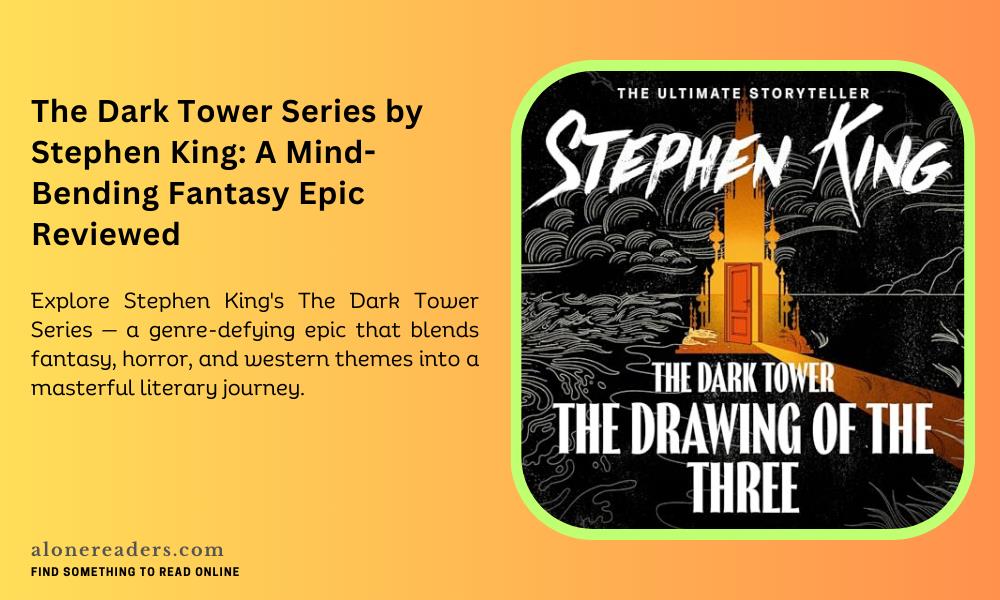 The Dark Tower Series by Stephen King: A Mind-Bending Fantasy Epic Reviewed
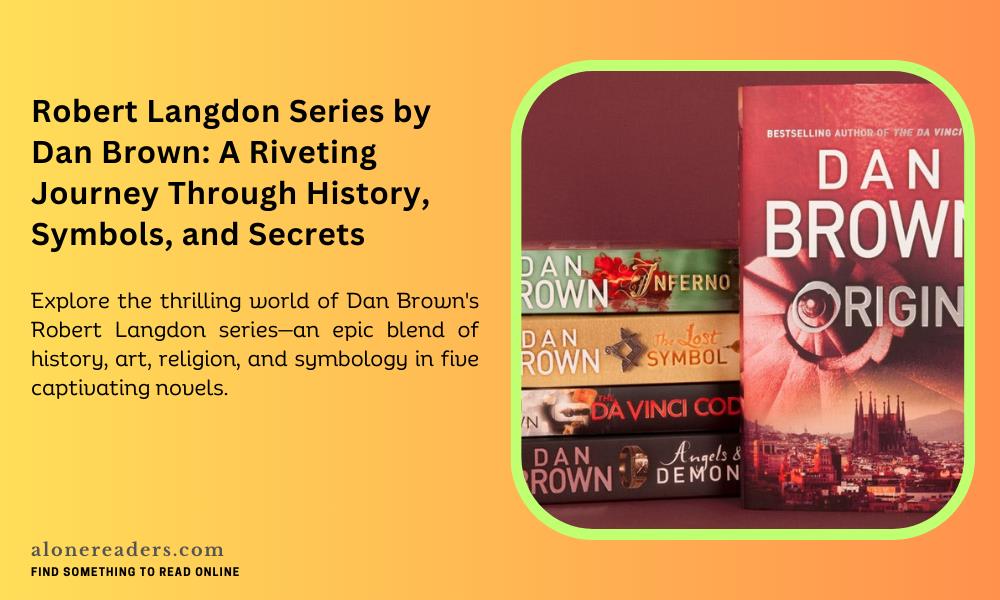 Robert Langdon Series by Dan Brown: A Riveting Journey Through History, Symbols, and Secrets
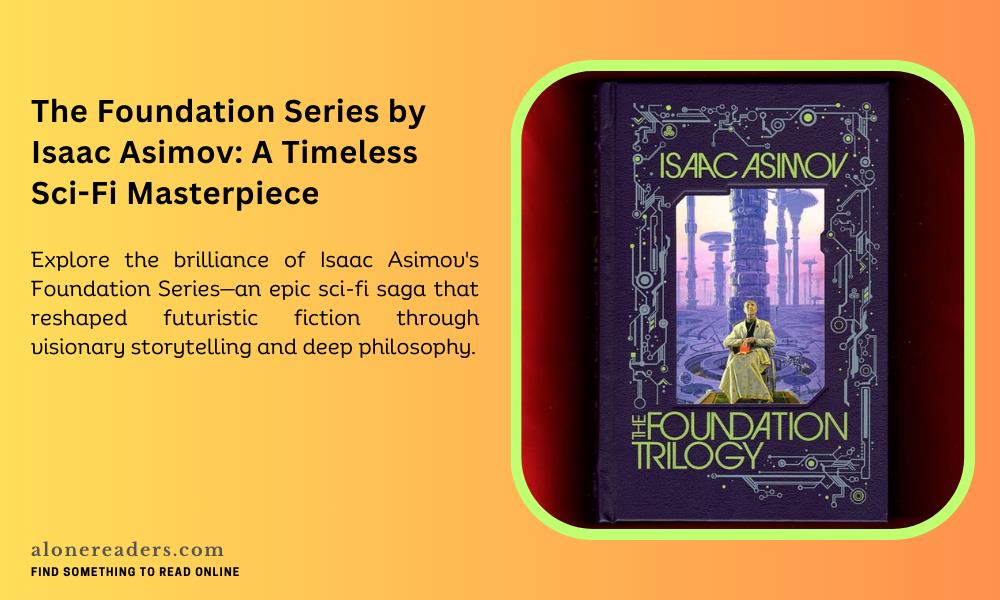 The Foundation Series by Isaac Asimov: A Timeless Sci-Fi Masterpiece
 A Deep Dive into the Divergent Trilogy by Veronica Roth: Book Series Review








