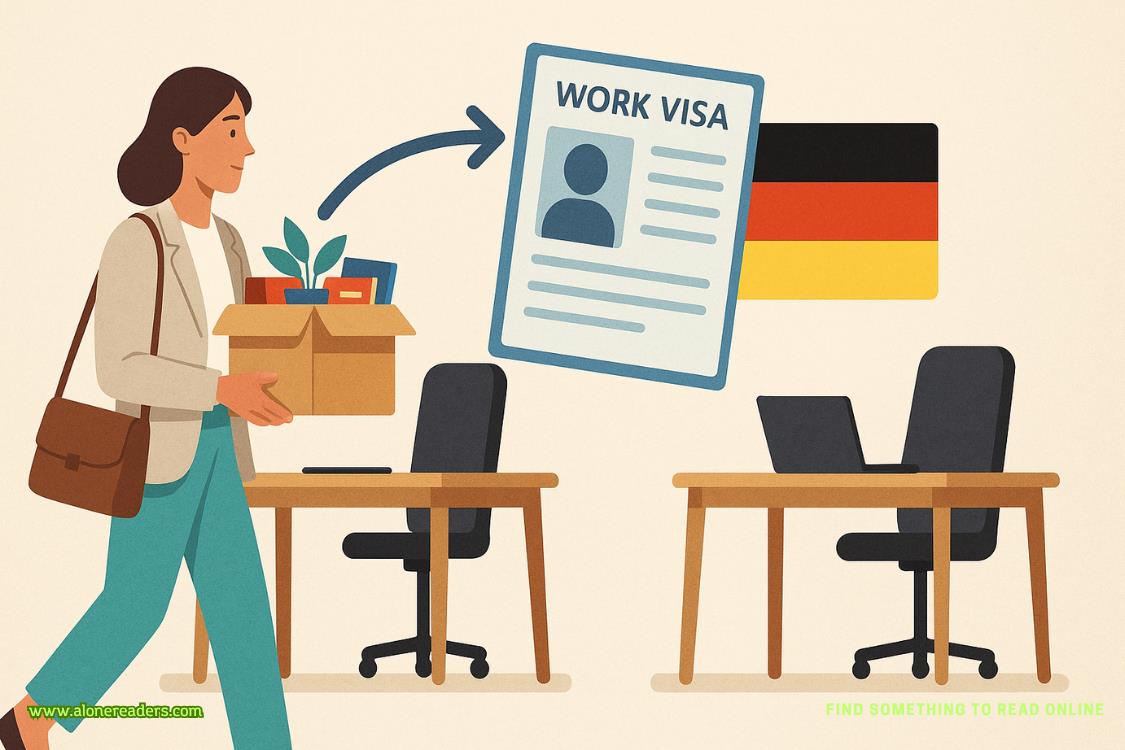
Changing jobs in Germany as a foreign professional on a work visa is both common and, at times, complex. In 2025, as the German economy continues to attract skilled workers worldwide, understanding the legal pathways and procedural nuances for changing employers on a German work visa is essential. This guide provides a comprehensive, up-to-date breakdown of how to transfer jobs on a Germany work visa, focusing on legal, administrative, and practical aspects. Whether you hold an EU Blue Card, Skilled Worker Visa, or other employment-based residence permit, this article will equip you with the knowledge to navigate the transition smoothly.
Identify Your Current Residence Permit
The process and restrictions for changing employers in Germany heavily depend on the type of residence permit you currently hold. The most common categories for foreign professionals are:
Why Permit Type Matters
Each permit has specific rules for changing employers, especially in the first two years of employment. EU Blue Card holders, for example, have stricter rules initially, while general skilled worker permits may have more flexibility.
Key Legal Foundations
Typical Conditions
When Is This Required?
Process:
Do Not Start the New Job Early: Starting work before approval is considered illegal employment and may jeopardize your residence status.
Processing Times:
Vary by city but usually take 2-8 weeks, depending on the complexity and workload.
What You’ll Receive:
Either an updated residence permit card with your new employer’s name or an endorsement letter/notice permitting the change.
Check Validity:
Make sure your new role, salary, and employer are all correctly recorded. Any discrepancies should be clarified immediately.
Salary and Position Criteria
Probation and Notice Periods
Notice to Current Employer:
Comply with German labor laws for notice periods (typically 2-4 weeks, but check your contract).
New Employer Start Date:
Coordinate start date with authorities’ approval timeline.
Health Insurance and Social Contributions
Dependents and Family Members
If your family holds residence permits dependent on yours, inform the Ausländerbehörde about your job change to avoid issues with their status.
Starting New Job Prematurely
Never begin work before receiving written approval from the Ausländerbehörde or an updated permit.
Changing to an Unrelated Occupation
Moving to a role outside your original field of qualification can lead to rejection or even cancellation of your permit.
Not Meeting Salary or Qualification Requirements
Any decrease in salary below the legal threshold, or downgrading your position, may result in the permit being revoked.
Incomplete Documentation
Missing or outdated documents can cause significant delays or rejection.
Lack of Communication with Authorities
Proactive communication is crucial. Always keep written records of all correspondence with authorities.
Intra-Germany Transfers within Multinational Companies
If you are transferred to another branch or subsidiary, you may need only to notify authorities if your employment conditions remain similar.
Switching from Probationary Period
Changing jobs during the probation period is possible but can complicate the approval process due to perceived instability.
Switching from Blue Card to Permanent Residency
If you are eligible for permanent residency soon, consider whether it is strategically better to delay the job change until after receiving it, granting you much more flexibility.
Right to Appeal
You have the right to receive a written explanation and to appeal decisions. Consult a specialist immigration lawyer for complex or contested cases.
Alternative Strategies
If your job change is not approved, you may need to remain with your current employer until the required period lapses or seek a new permit via another legal route.
Transferring jobs in Germany while on a work visa in 2025 is entirely feasible, provided you carefully follow the legal steps, maintain open communication with the authorities, and ensure all documentation and employment conditions are in order. By understanding the specific requirements related to your visa type, proactively preparing the necessary documents, and not rushing into your new role before official approval, you can transition smoothly to your next professional chapter in Germany. If in doubt, consult an experienced immigration advisor for personalized support.



 Qatar Temporary Work Visa 180 Days 2026: Complete Eligibility, Application Process, Documents, Costs, Extension Rules, and Employment Guide
 Canada Intra-Company Transfer Work Permit 2026: Complete Guide to Eligibility, Requirements, Application Process, and Employer Responsibilities
 UK Study English Language Visa 2026: Complete Guide to Eligibility, Requirements, Costs, Application Process, and Student Life
 UK Expansion Worker Visa Intra-Company 2026: Complete Guide to Eligibility, Sponsorship, Costs, Business Expansion, and Application Process
 High-End Talent Category A Work Permit China 2026: Complete Eligibility, Benefits, Application Process, and Expert Guide
 Cultural Activities Visa Japan 2026 Guide: Complete Eligibility, Requirements, Application Process, and Expert Tips










