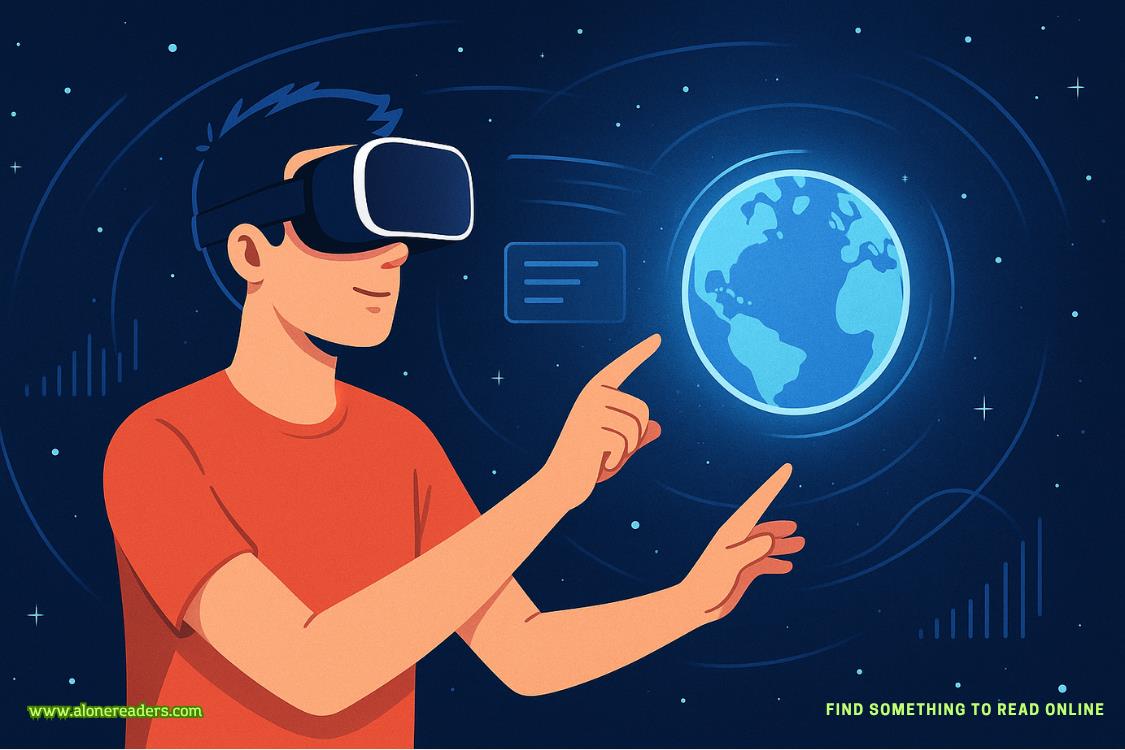
Virtual reality (VR) has moved well beyond the boundaries of science fiction and entertainment. What began as a niche technology for gaming enthusiasts has rapidly matured into a transformative force across industries, including healthcare, education, manufacturing, architecture, and social connection. As we peel back the layers of this immersive technology, it becomes clear that VR is not merely a new medium—it's a fundamental shift in how humans interact with digital and physical worlds.
The healthcare sector has witnessed some of the most profound and measurable impacts from VR adoption. In surgical training, for instance, VR simulators enable medical students and professionals to practice complex procedures in a risk-free environment. These immersive modules provide real-time feedback on precision, technique, and timing, bridging the gap between theoretical knowledge and hands-on experience. Top hospitals now incorporate VR simulation as a core component of medical training, which has resulted in increased surgical proficiency and reduced error rates in the operating room.
Beyond training, VR is changing the way surgeries are planned and executed. Surgeons use VR to visualize three-dimensional patient anatomy derived from MRI and CT scans, making preoperative planning far more precise. This not only increases the chances of successful outcomes but also shortens recovery times for patients.
VR’s application isn’t limited to doctors; it’s also revolutionizing patient care. For instance, virtual environments are being deployed to manage acute and chronic pain. Immersive distraction therapy, where patients are guided into calming virtual worlds during painful procedures or rehabilitation, has been clinically shown to reduce the need for opioid medication and speed up recovery. For patients with severe phobias, PTSD, or anxiety disorders, VR exposure therapy provides controlled, gradual exposure in a safe and customizable environment, accelerating the healing process.
Traditional classroom learning is often criticized for its passive nature. Virtual reality is rapidly changing this paradigm, offering immersive, experiential learning opportunities that were previously unimaginable. In STEM education, students can now manipulate molecules, explore ancient civilizations, or conduct complex physics experiments in simulated environments. This sensory-rich interaction not only boosts engagement but has been shown to significantly improve knowledge retention.
Professional training is also benefiting from VR. Industries such as aviation, automotive, and energy use VR for safety drills, machinery operation, and hazardous environment simulations. Trainees can make mistakes and learn from them without real-world consequences, drastically improving safety standards and operational efficiency.
Furthermore, VR is democratizing access to quality education. Remote learners can attend virtual classrooms, interact with instructors, and collaborate with peers as if they were physically present. This is especially impactful in regions with limited educational infrastructure, where VR can bridge geographical and economic barriers.
In architecture and design, VR is fundamentally altering how spaces are envisioned and constructed. Architects and clients can “walk through” full-scale digital models of buildings before a single brick is laid. This immersive preview allows for instant feedback, rapid prototyping, and detection of design flaws, saving significant time and cost.
Manufacturing firms are harnessing VR for everything from prototyping new products to optimizing factory workflows. Engineers and designers can collaborate in shared virtual spaces, manipulating 3D models in real-time, irrespective of their physical location. This level of interaction accelerates innovation cycles and breaks down traditional silos within organizations.
For customer-facing industries, VR has opened the door to experiential marketing. Automakers, for instance, now offer virtual test drives, while furniture retailers enable customers to visualize products within their own homes through mixed reality. These experiences drive deeper engagement and higher conversion rates.
One of the less discussed, but equally profound, impacts of VR is on social connection. Virtual reality enables people to gather in shared digital environments, transcending geographic and physical limitations. Platforms like VRChat, Meta Horizon Worlds, and AltspaceVR are pioneering new forms of social interaction, where users interact as avatars in richly detailed worlds.
This is not simply an extension of video conferencing; it’s an entirely new communication paradigm. Body language, spatial audio, and environmental context create a sense of presence that is absent from traditional digital communication. Remote teams collaborate more effectively, families separated by continents “meet” in the same virtual room, and friendships are forged across borders in ways never before possible.
While gaming remains the most visible use case for VR, entertainment as a whole is being reimagined. Film studios and musicians are producing interactive experiences where audiences move within the story or concert, affecting the outcome or perspective in real time. Museums and art galleries offer virtual tours, letting people experience cultural treasures regardless of their location or physical mobility.
Sports fans can watch live events from the front row or even “step onto the field,” while theme parks are integrating VR into rides for entirely new kinds of sensory adventures. In every case, VR transforms audiences from passive spectators into active participants.
For individuals with disabilities, VR offers unprecedented opportunities for engagement, therapy, and socialization. Stroke survivors use VR platforms for guided rehabilitation exercises, which are not only effective but also engaging. Those with mobility impairments can experience environments and activities that would otherwise be inaccessible.
Speech therapy, cognitive rehabilitation, and even autism spectrum interventions are leveraging VR to provide personalized, adaptive experiences. Because VR data is highly trackable, therapists can measure progress and adjust therapy in real time.
As with any disruptive technology, the ascent of VR raises complex ethical and practical questions. Concerns about privacy, data security, and the psychological effects of prolonged immersion are the focus of ongoing research. There is also the matter of accessibility—high-quality VR equipment remains costly, and the “digital divide” risks leaving behind those who would benefit most.
To address these challenges, industry leaders are developing new standards for safety, interoperability, and ethical use. Open-source platforms and affordable hardware are on the horizon, promising to make VR accessible to wider audiences. Regulatory bodies are beginning to draft guidelines for privacy, safety, and age-appropriate content, mirroring the evolution seen in previous technology waves.
The future of VR is not a distant fantasy. With rapid advancements in hardware—such as lighter headsets, more precise sensors, and wireless connectivity—virtual reality is poised to become as ubiquitous as smartphones. Integration with artificial intelligence, haptic feedback devices, and augmented reality will push boundaries even further, creating experiences that blend seamlessly with daily life.
For individuals and organizations willing to embrace this shift, the opportunities are immense. Whether it’s a surgeon perfecting a complex procedure, a student visiting ancient Rome, or a team collaborating on the next big innovation, VR is no longer just about escaping reality—it’s about enhancing it.
Virtual reality is changing the world, not just in how we play, but in how we heal, learn, connect, and create. The real revolution is only beginning.





 AI Video Generators in 2026: How Creators Are Replacing Traditional Editing
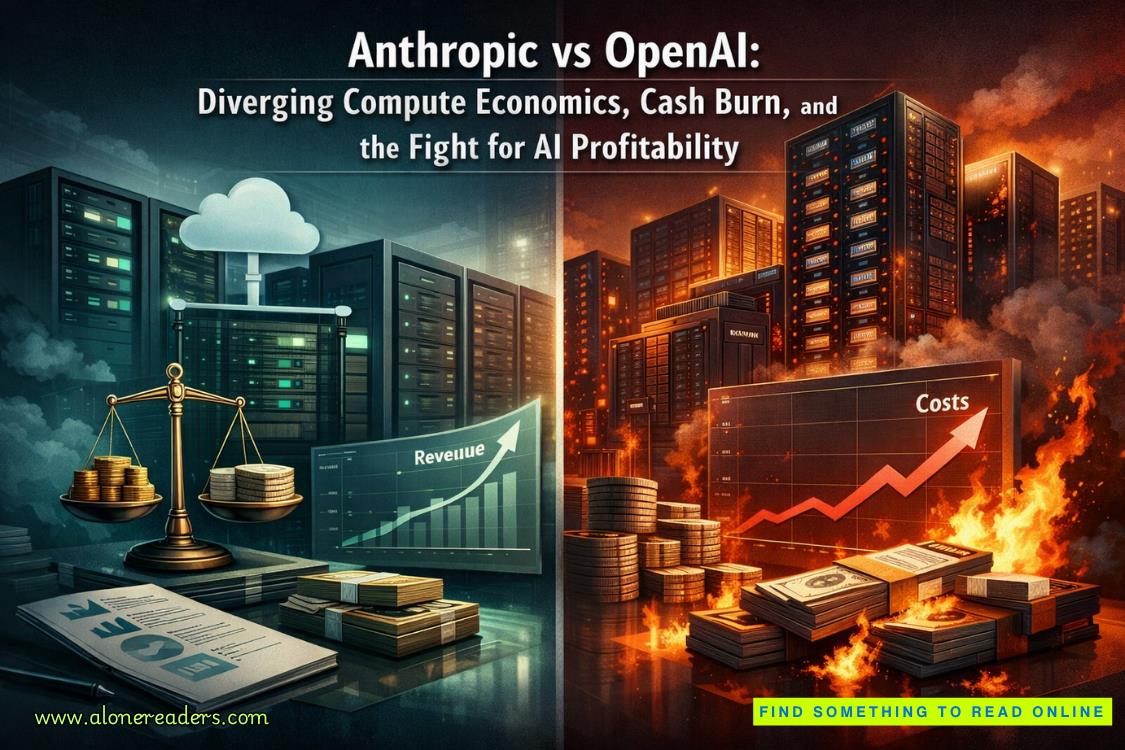 Anthropic vs OpenAI: Diverging Compute Economics, Cash Burn, and the Fight for AI Profitability
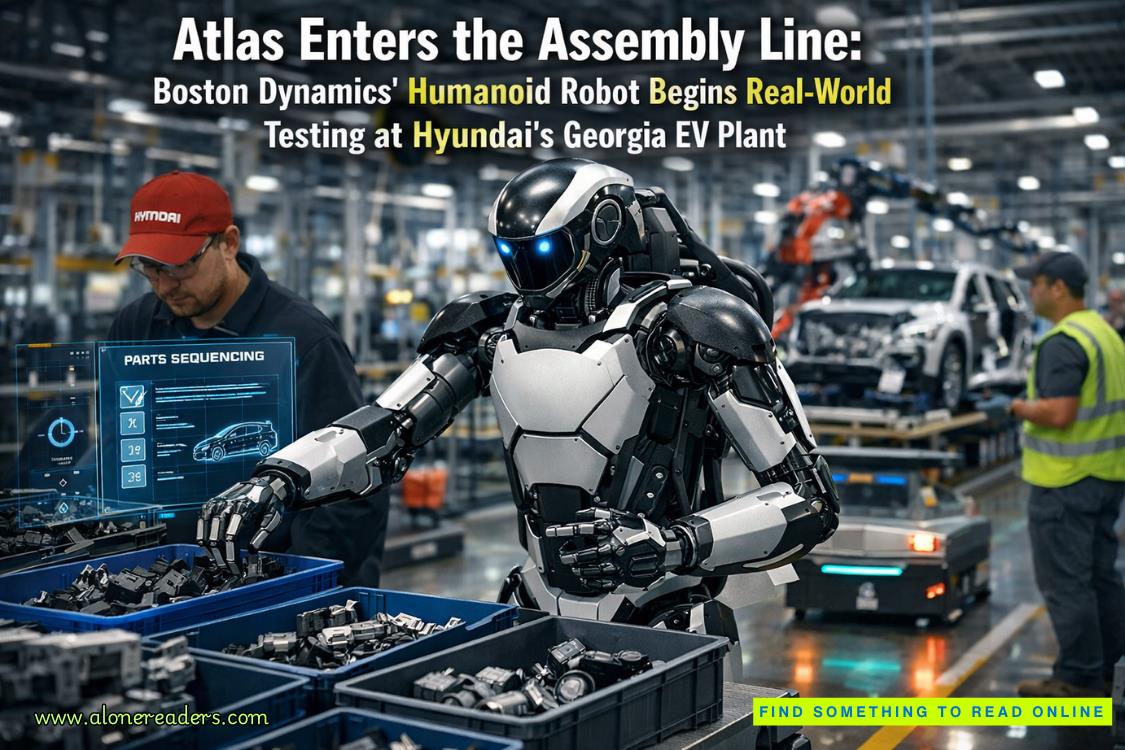 Atlas Enters the Assembly Line: Boston Dynamics’ Humanoid Robot Begins Real-World Testing at Hyundai’s Georgia EV Plant
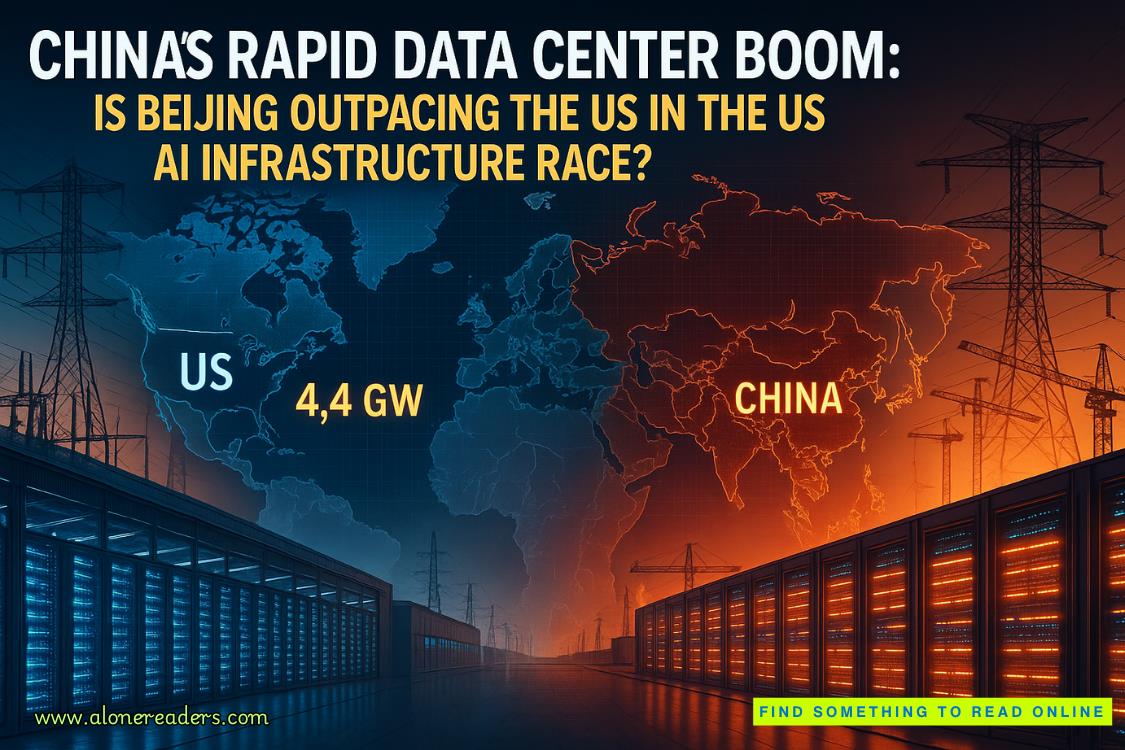 China’s Rapid Data Center Boom: Is Beijing Outpacing the US in the Global AI Infrastructure Race?
 5G Revolutionizes Supply Chain Automation: Manufacturing Enters a New Era of Precision and Profitability
 GPT-4.1 vs Llama 4 Maverick vs Gemini 1.5 Pro: Who Really Leads in Reasoning, Multimodality, and Speed in 2025?








