Artificial intelligence has moved from novelty to necessity. What’s changing now is that we’re shifting from single, clever models to cohesive AI systems that plan, call tools, verify their own work, and interface with real-world processes. Instead of “a chatbot that answers questions,” the next wave looks like “a co-worker that drafts, checks, cites, schedules, and files”—and knows when to ask for help. This evolution is not just about larger models; it’s about orchestration, reliability, and fit-for-purpose design that turns probabilistic text generators into dependable work partners.
The most important transition ahead is from prompt-and-reply interactions to agentic workflows. In agentic systems, models decompose a request into steps, call external tools or APIs, search or retrieve domain knowledge, and then synthesize a result. Because every step produces traceable artifacts—queries, intermediate code, retrieved passages—these systems can self-check and be audited by humans or automated policies. Tool-use, planning, and verification dramatically raise quality on long-horizon tasks, which is where conventional chat falls apart. Expect patterns like “think, act, check” to be embedded into everyday software, so your spreadsheet, IDE, or CRM quietly coordinates multiple subagents behind the scenes.
Reasoning will improve not only with bigger models but also better scaffolding. The field is learning that reliable thinking emerges when models are asked to reason explicitly, test hypotheses with code or search, and compare alternative chains before committing. Simple changes—like letting an assistant write small snippets of code to verify a calculation, or consulting a retrieval index to ground a claim—can cut error rates drastically. In practical terms, this means AI that balances creativity with accountability: a marketing assistant that brainstorms ten options and backs each with supporting evidence, or an operations aide that proposes a schedule and proves resource constraints won’t be violated.
Smaller, cheaper, and closer to the user is another defining trend. The last few years proved what giant foundation models can do; the next few will optimize for latency, privacy, and cost. Distillation, quantization, and architecture tweaks are pushing competitive models onto laptops and phones, and dedicated neural processors are accelerating everything from dictation to on-device photo editing. The payoff is offline capabilities, lower inference costs, and fewer data-handling risks—critical for healthcare clinics, field workers, schools, and anyone under strict compliance. Hybrids will dominate: lightweight local models for fast, private tasks, with managed cloud models invoked only when extra brains are worth the trip.
Multimodality will be the default interface. Many jobs are inherently visual, spatial, or auditory, and most enterprise data is not tidy text. Models that can read a chart, inspect a wiring diagram, watch a short video, listen to a meeting, and then generate a plan are far more useful than text-only systems. Expect document-heavy work like insurance claims, audits, and clinical intake to be transformed by assistants that parse forms, compare photos and scans against policies or protocols, and converse about discrepancies in natural language. In the physical world, multimodal perception allows service technicians to point a camera at equipment, ask “what’s wrong here,” and get step-by-step guidance grounded in annotated imagery and prior service records.
Trust and autonomy will be negotiated through structure, not slogans. Giving an AI “the keys” to initiate purchases, send emails, or change infrastructure requires policy layers that define who can do what, when, and with which approvals. The mature pattern looks like role-based permissions for agents, budget and time caps per task, mandatory human approval gates for sensitive actions, and activity logs that auditors can replay. Rather than a vague “human in the loop,” you’ll see explicit delegation contracts: a travel agent that can spend up to $1,500 within specified dates, or a finance bot that drafts journal entries but cannot post them to the ledger without sign-off.
Data will matter more than parameters. The best teams already treat model selection as the easy part; the hard part is curating, labeling, and governing the domain-specific data that turns generic intelligence into sharp expertise. High-quality retrieval indexes, consistent taxonomies, and feedback loops from real users consistently outperform exotic fine-tuning schedules. Synthetic data will help but won’t save poor data hygiene; it works best when used to fill edge cases, rebalance class distributions, or stress-test safety policies. Provenance and consent tracking will become routine, with organizations able to answer where each training example came from, what it permits, and how to remove it if needed.
Under the hood, the bottleneck is moving from raw compute to memory bandwidth, energy, and supply chain resilience. Specialized chips reduce cost per token but increase dependency on a narrow set of vendors and fabrication capacity. That risk is pushing diversification: more vendors, more packaging innovations like stacked memory, and exploration of in-memory, analog, or photonic approaches. Sustainability will be a board-level topic, with transparent reporting on the energy and water cost of training and serving large models. Expect location choices for new data centers to factor grid mix, cooling, and proximity to users for latency-sensitive edge applications.
Security will be a first-class discipline, not an afterthought. As companies automate workflows, prompt injection, data exfiltration, and tool-abuse attacks move from novelty to business risk. Mature deployments will isolate agent runtimes, sanitize tool inputs and outputs, constrain what an agent can read or execute, and maintain allow/deny lists for external resources. Safety and security will converge: the same techniques that keep models from producing harmful content also help them resist malicious instructions. Content provenance standards and watermarking will spread to help downstream systems distinguish between human-, AI-, and hybrid-generated artifacts.
Regulation will settle into risk-based categories and sector rules. High-stakes use—medical, hiring, lending, education, critical infrastructure—will require testing, documentation, and continuous monitoring. Developers will need a defensible story: what data trained the model, how it was evaluated, what residual risks remain, and how those are mitigated in production. Copyright and data-use questions will push more enterprises toward licensed datasets, clean-room training, or retrieval-based systems that cite sources rather than memorize them. Far from slowing innovation, these requirements will reward organizations that build traceability and governance into their pipelines from the start.
Work will be reorganized around human–AI teams. Every knowledge job is a bundle of tasks: some creative, some routine, some judgment-heavy. AI eats the routine first but also boosts the creative by drafting alternatives and doing the tedious prep. The most productive professionals will be those who design processes around AI strengths—letting assistants do first passes, automating the handoffs between tools, and reserving human time for decisions, negotiation, and taste. New roles are emerging: prompt and process designers, agent orchestrators, AI risk leads, and evaluation engineers who treat reliability as a measurable property, not a vibe.
AI’s impact on science, healthcare, and climate work will be profound because these domains map cleanly to pattern discovery, simulation, and optimization. By integrating structured scientific constraints into model prompts and toolchains, researchers can explore candidate molecules, materials, or policy interventions faster and with tighter feedback loops to the lab or field. In medicine, clinicians will gain assistants that synthesize notes, imaging, and guidelines into case-specific options with explicit rationales and uncertainty estimates, while guardrails ensure decisions are reviewed and documented. As always, data quality, workflow integration, and careful evaluation will separate prototypes from practice.
Embodied AI—robots that perceive, reason, and act—will move from labs to predictable environments first: warehouses, retail backrooms, farms, and hospitals. Foundation models help robots generalize instructions like “tidy aisle three” into sequences of perception and manipulation steps. Safety will dominate design: speed limits near people, geofencing, tiered emergency stops, and constant monitoring. The lesson from industrial automation applies: high reliability at modest capability beats flashy demos with fragile behavior.
Education and creativity will be reshaped by personalized guidance and collaborative making. Instead of static lessons, students will receive coaching that adapts to their misconceptions, learning styles, and goals, while maintaining academic integrity through process-based assessment and authentic project work. For creators, AI will be a partner that drafts, remixes, and refines; the differentiator becomes taste, direction, and curation. Expect workflows where a writer or designer maintains a living stylebook that agents consult automatically, maintaining consistency across campaigns or chapters.
For businesses deciding what to do next, the path is pragmatic. Start with a small portfolio of high-value, frequent tasks where accuracy can be measured and the upside is clear—customer email triage, financial reconciliations, proposal drafting, quality inspections. Pair models with retrieval over your own knowledge, log every action, and build a review loop where humans correct outputs and the system learns from those corrections. Choose your “stack” with eyes open: a mix of frontier APIs for complex reasoning, mid-size models for fine-tuned tasks, and on-device models for low-latency or private use. Price for total cost of ownership, not just per-token; evaluation, guardrails, and support will dominate long-run economics.
Individuals should treat AI literacy like spreadsheet literacy in the 1990s: a career accelerant. Learn to translate fuzzy goals into structured prompts and processes, to inspect agent traces and fix failures, and to manage your data exhaust—what you feed the system and what it remembers. Build small personal automations that save you hours each week, and document them as reusable patterns. The goal isn’t to be replaced by an assistant; it’s to be the person who can reliably deploy one.
Looking forward, the future of AI won’t be defined by a single breakthrough model but by how we compose models, tools, and rules into trustworthy systems. Progress will come from better interfaces between humans and machines, better interfaces between models and the world, and honest accounting of trade-offs in cost, control, and risk. If we do this well, AI will feel less like magic and more like infrastructure: dependable, inspectable, and quietly everywhere—amplifying human judgment rather than replacing it.



 AI Video Generators in 2026: How Creators Are Replacing Traditional Editing
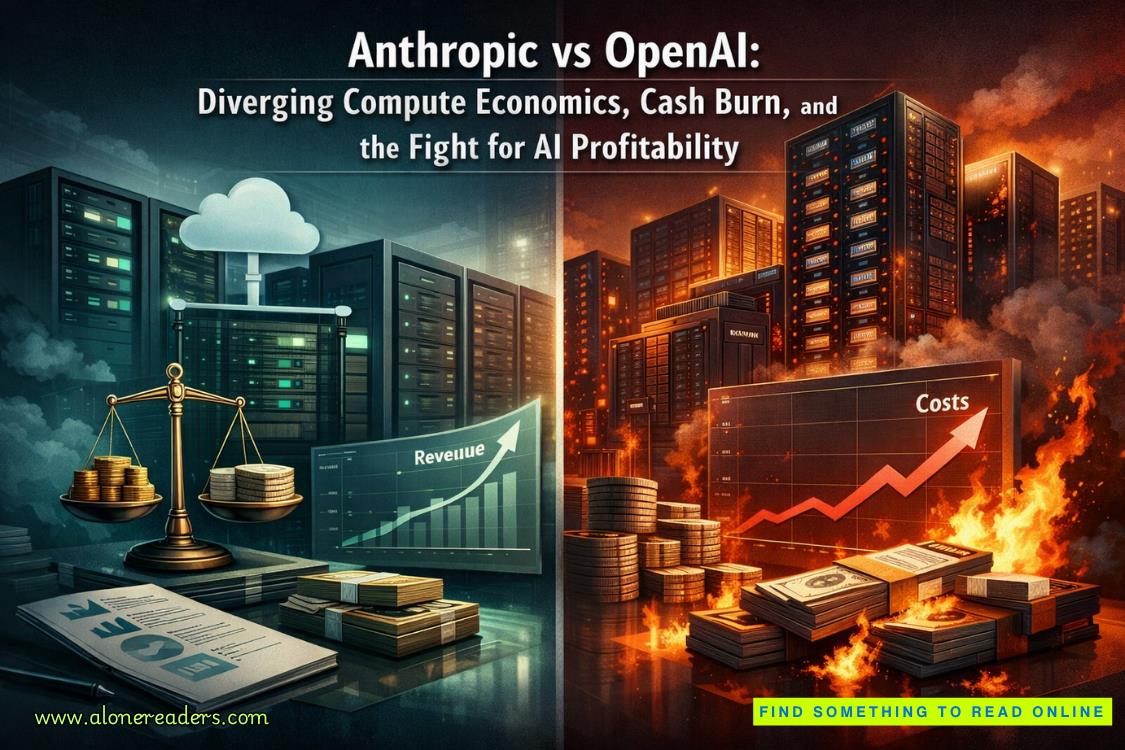 Anthropic vs OpenAI: Diverging Compute Economics, Cash Burn, and the Fight for AI Profitability
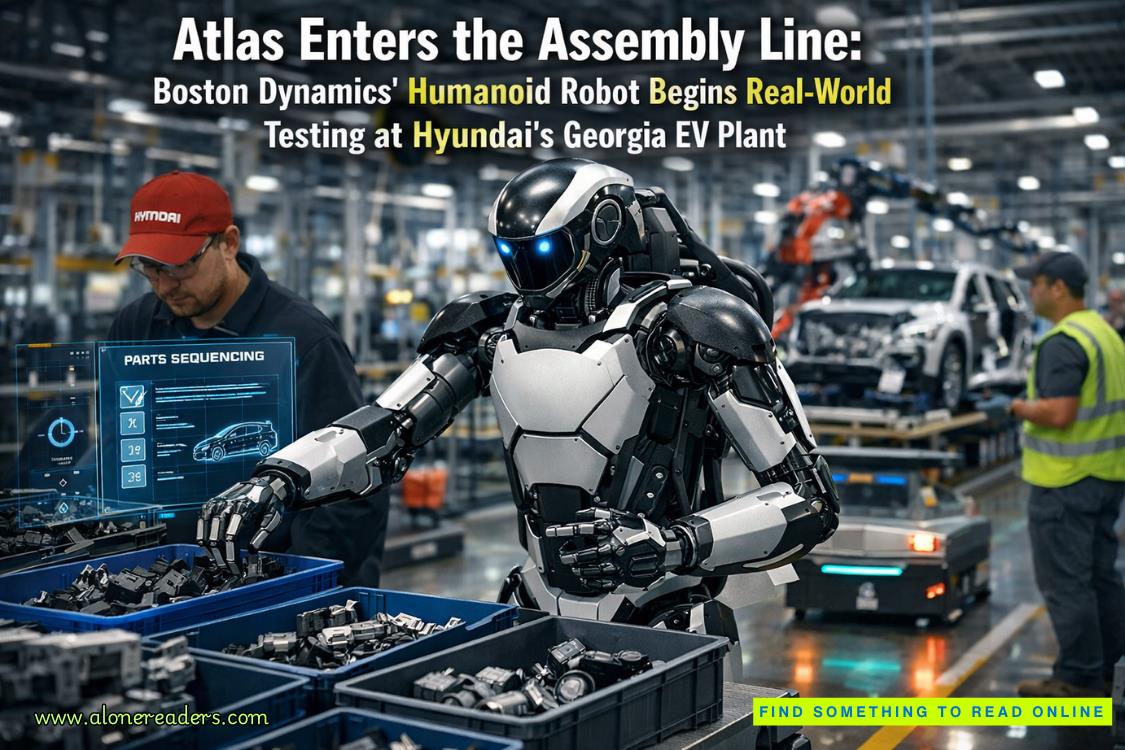 Atlas Enters the Assembly Line: Boston Dynamics’ Humanoid Robot Begins Real-World Testing at Hyundai’s Georgia EV Plant
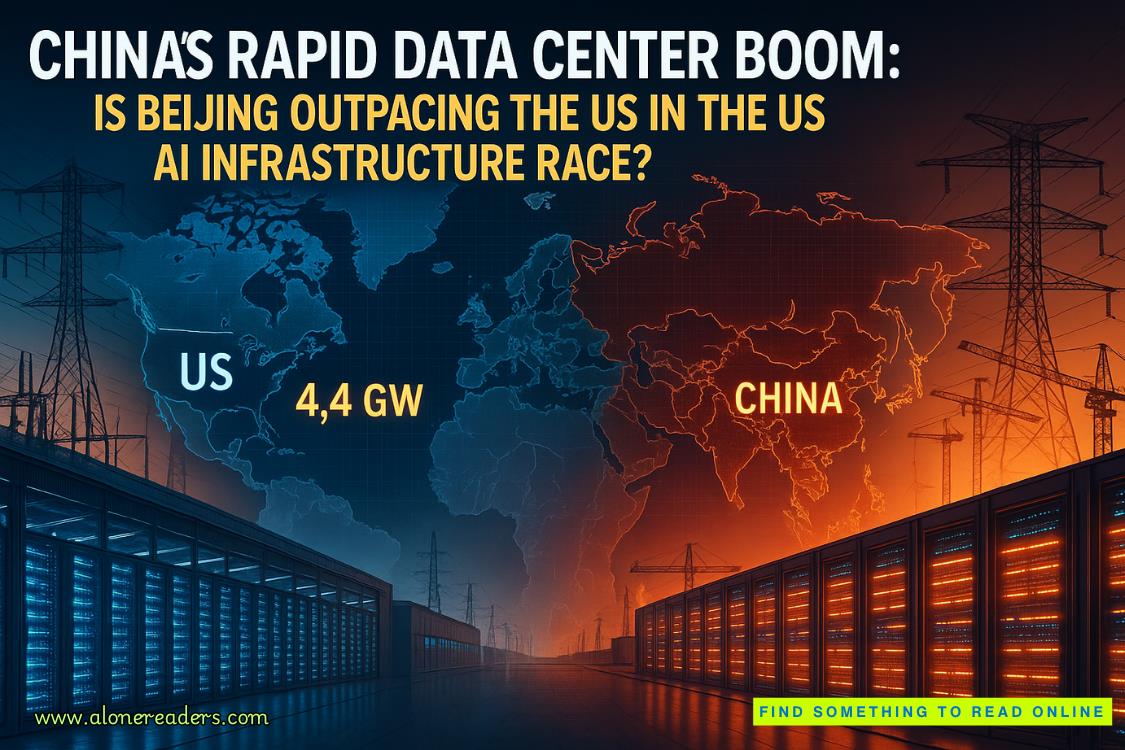 China’s Rapid Data Center Boom: Is Beijing Outpacing the US in the Global AI Infrastructure Race?
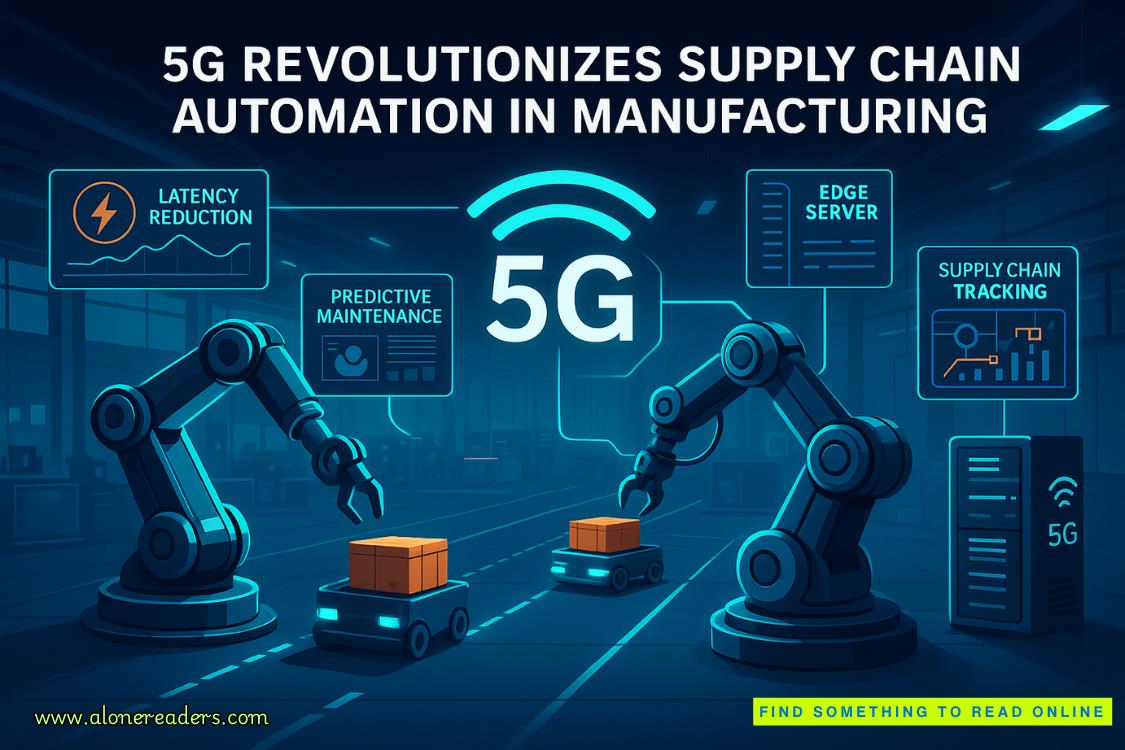 5G Revolutionizes Supply Chain Automation: Manufacturing Enters a New Era of Precision and Profitability
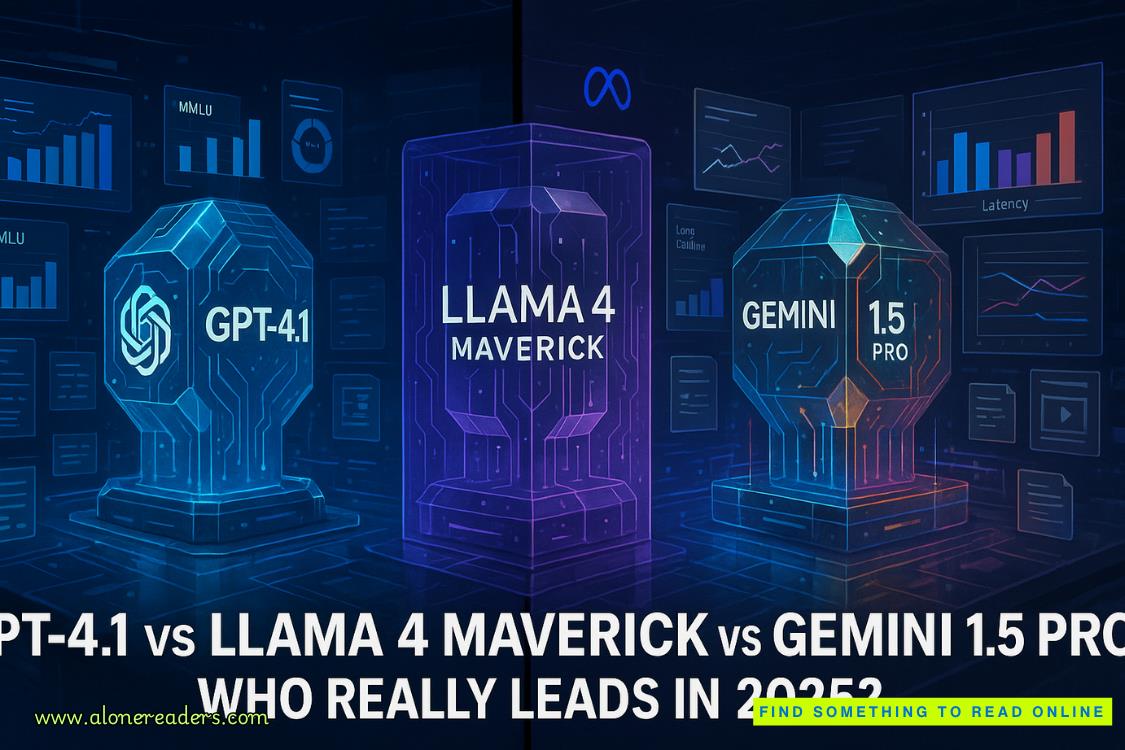 GPT-4.1 vs Llama 4 Maverick vs Gemini 1.5 Pro: Who Really Leads in Reasoning, Multimodality, and Speed in 2025?










