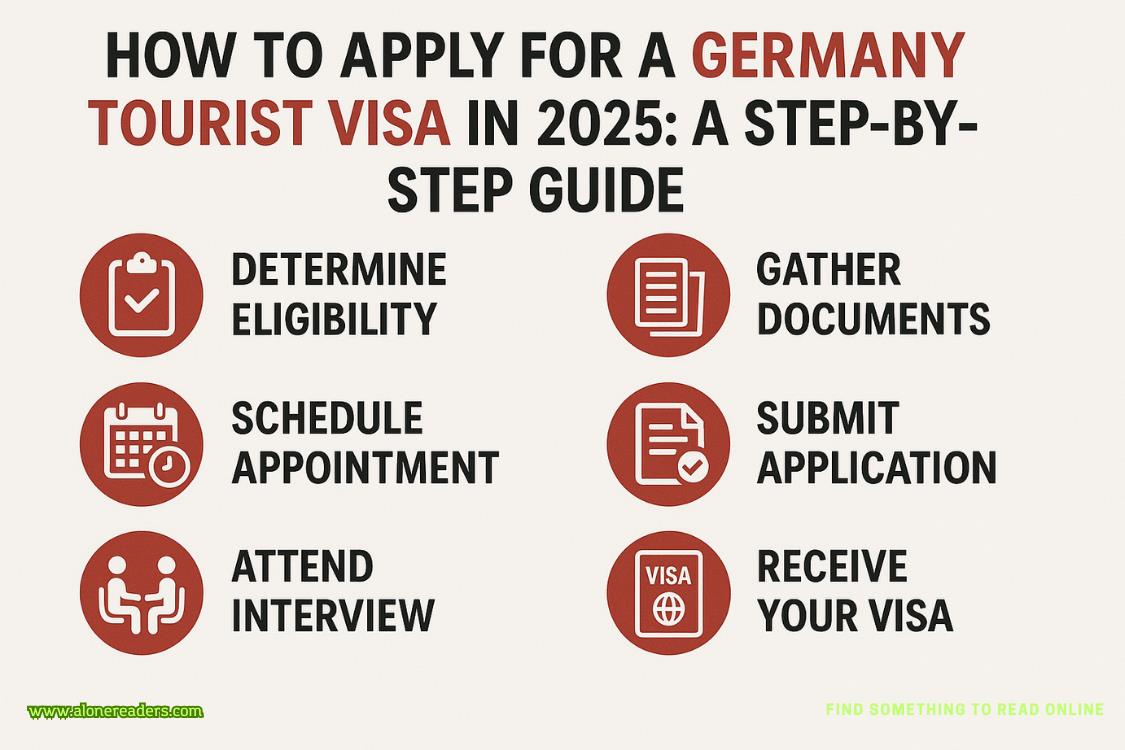
What it is: A short-stay “Schengen C” visa for tourism, valid for up to 90 days in any 180-day period across the Schengen Area.
Where it’s valid: Typically “Schengen States,” which lets you move within the area; some visas can be territorially limited.
Who needs it: Nationals of countries that are not visa-exempt for short stays. If your nationality is visa-exempt, you won’t need a C-visa for tourism but should still watch for new EU border systems coming in 2025–2026.
Which country to apply to: Apply to the country of your main destination (where you’ll spend the most nights). If nights are equal, apply to the country of first entry.
When to apply: Standard window is earliest 6 months before and latest 15 calendar days before your trip. In peak seasons, appointments can be scarce—book early.
Higher visa fees: The standard Schengen C-visa fee is €90 for adults and €45 for ages 6–11. Local service fees (e.g., VFS/TLS) and courier/optional services are extra.
Biometrics reuse: If you gave fingerprints for a Schengen visa in the last 59 months, you might not need to give them again; otherwise, you must appear in person.
Border changes in late 2025: From 12 October 2025, the EU begins phasing in the Entry/Exit System (EES), which replaces passport stamping with biometric entry/exit records. Expect kiosks and slightly longer first-time border checks.
ETIAS is not a visa: For visa-exempt travelers (not C-visa applicants), ETIAS will be a separate pre-travel authorization planned for late 2026. It does not affect people who already need (and obtain) a Schengen visa.
Step 1 — Confirm jurisdiction and the right channel
Check which German mission or outsourced Visa Application Centre (VAC) serves your country/region of residence. You must have legal residence status there. Many locations use VFS Global or TLScontact for intake, but the decision remains with the German mission.
Step 2 — Book your appointment early
Peak months (April–September, December) fill fast. Grab the earliest suitable slot, then work backward to finalize documents. If you can choose locations within your country, check multiple VACs for availability.
Step 3 — Complete the application (VIDEX)
Germany uses the VIDEX online form for Schengen short stays. Fill it accurately, print, and sign where indicated. Ensure your itinerary, accommodation, and insurance details match the form to avoid “inconsistency” flags.
Step 4 — Prepare a document set that matches your profile
Think in three bundles—identity & purpose, means & ties, and travel readiness:
Step 5 — Align the itinerary with the “main destination” rule
Your hotel nights and in-country routing must clearly show Germany is the main destination. If you’re splitting nights across Germany, France, and the Netherlands, the most nights rule decides where you apply. Avoid ambiguous splits (e.g., 3/3/3) unless first entry also matches Germany.
Step 6 — Pay the fees
Budget for the €90/€45 visa fee payable in local currency at the daily consular rate, plus the VAC service fee. Optional fees (SMS alerts, photocopying, premium lounges, courier returns) are your choice; they do not influence the decision.
Step 7 — Attend your appointment & biometrics
Bring your printed VIDEX, checklist, and originals + copies. Answer questions concisely and consistently with your documents: purpose (tourism), dates, funding, occupation, prior travel. First-timers submit fingerprints; repeat travelers may be matched from VIS records if within 59 months.
Step 8 — Track and wait
Standard processing is up to 15 calendar days, but it can extend (complex files, peak volumes) up to 45 days. The VAC tracking portal will change status at milestones; the passport returns by courier or pickup.
Step 9 — Check your visa sticker
Verify: valid from/until, number of entries (1/2/MULT), and “Duration of stay (DAYS)”—that number (e.g., 20) is the maximum nights you can spend in Schengen within that trip window. Report any errors immediately to the VAC/mission before traveling.
Who gives fingerprints: Most applicants aged 12+. Exemptions exist (e.g., certain dignitaries); kids under 12 do not give fingerprints.
Reusing biometrics: If fingerprints were captured for a Schengen visa within 59 months, they are typically reused and you may not need to appear in person again; still, be ready if the mission asks.
Interviews: Not every file is interviewed; if called, stick to the facts in your documents—purpose, dates, funding, and ties.
Decision time: Plan for 15 days as standard; allow buffer for up to 45 days in busy periods or when extra checks are needed. Applying 6–10 weeks before travel is a safe rhythm in most jurisdictions.
Single vs multiple entry: First-time tourists often receive single-entry. With a solid travel history and correct prior visa use, multiple-entry is more likely.
Longer-validity trend: Under the Visa Code’s “cascade” concept, travelers with repeated, compliant Schengen history can be considered for longer multi-entry validity over time.
Insurance: Must be Schengen-wide, cover your entire stay, and provide ≥€30,000 for medical emergencies and repatriation. Policies that only cover Germany or have gaps in dates often cause queries.
Hotels/Airbnbs: Names/addresses must match your itinerary dates and city order. If staying with a host, ensure the invitation and address line up with your daily plan.
Read the sticker: “From/Until” are the dates you’re allowed to enter; “Duration of stay” is the count of days you may spend in Schengen during that window.
Do not overstay: Overstays harm future applications and can trigger entry bans.
Entry sequencing: Enter through Germany if that’s your first leg; if plans change, keep proof that Germany remained your main destination.
Refusal letter: It lists reason codes (e.g., insufficient means, doubts about intent, insurance gap).
Your options: You may appeal (country-specific process and deadlines apply) or reapply with stronger evidence. In either case, fix the precise deficiency—add clearer funds, change the itinerary, or provide better proof of ties.



 Qatar Temporary Work Visa 180 Days 2026: Complete Eligibility, Application Process, Documents, Costs, Extension Rules, and Employment Guide
 Canada Intra-Company Transfer Work Permit 2026: Complete Guide to Eligibility, Requirements, Application Process, and Employer Responsibilities
 UK Study English Language Visa 2026: Complete Guide to Eligibility, Requirements, Costs, Application Process, and Student Life
 UK Expansion Worker Visa Intra-Company 2026: Complete Guide to Eligibility, Sponsorship, Costs, Business Expansion, and Application Process
 High-End Talent Category A Work Permit China 2026: Complete Eligibility, Benefits, Application Process, and Expert Guide
 Cultural Activities Visa Japan 2026 Guide: Complete Eligibility, Requirements, Application Process, and Expert Tips