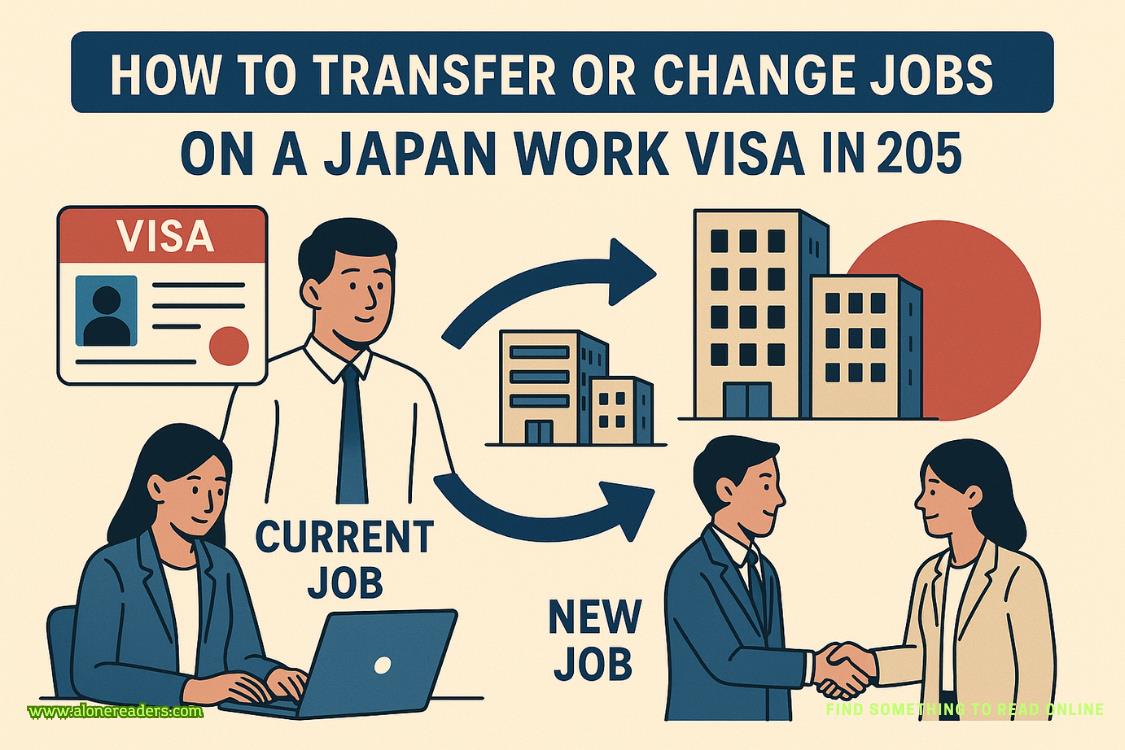
Changing jobs in Japan while on a valid work visa is possible, but it is far from a casual administrative task. In 2025, Japan continues to maintain a strict immigration framework to ensure that foreign workers remain within the permitted scope of their visa status. If you are considering switching employers, understanding the legal requirements, documentation process, and potential risks is critical to ensuring you do not jeopardize your right to stay and work in the country.
Check your “Status of Residence”
Every foreign worker in Japan is issued a “Status of Residence” (在留資格) that specifies the category of work they are legally allowed to perform. For example:
This is not just a label—it determines the industries and roles you can legally work in. When you change jobs, your new position must fall within the scope of your current status unless you apply for a “Change of Status” at Immigration.
Job content vs. visa category
If your new job is in the same category as your current visa (for example, moving from one software engineering role to another), you may not need a full status change. However, you must still notify Immigration of the job change. If the new job is in a different category (for example, moving from engineering to teaching), a formal change of visa status is mandatory.
Mandatory notification to Immigration
Japan’s Immigration Services Agency requires foreign residents to notify them within 14 days after changing employers. Failure to do so can lead to penalties, future visa renewal complications, or in severe cases, revocation of your status.
Employer reporting
Your previous and new employers may also have obligations to report changes in your employment to relevant government offices, such as the Labor Bureau and municipal offices.
Visa renewal impact
When you renew your visa, Immigration will review your employment history. Gaps in employment or failure to report changes can raise red flags, potentially affecting approval.
1. Review your current visa conditions
Read the details on your Residence Card and your visa grant notice to confirm:
2. Check if the new role matches your visa category
Compare your job description with the official definition of your visa status from Immigration. If there is any doubt, consult a certified immigration lawyer or Gyōsei-shoshi (行政書士).
3. Gather documents for Immigration
Typical documents for reporting or applying for a change include:
4. Notify Immigration within 14 days
If your job duties remain within your visa’s permitted scope, submit a “Notification of the Contracting Organization” to your local Immigration Bureau. This can be done in person, by mail, or through an authorized representative.
5. Apply for a “Change of Status” if needed
If your new job does not match your current visa category, you must apply for a Change of Status of Residence before starting work. This process requires:
Processing can take from 2 to 8 weeks depending on complexity.
6. Update your municipal office and tax records
After your new employment begins, report the change to your city or ward office. This ensures accurate resident tax calculations and social insurance registration.
Digitalized procedures
In 2025, some Immigration notifications and applications can be submitted online via the Immigration Services Agency’s e-application system. However, physical document submission is still required in many cases, especially for first-time Change of Status applications.
Tighter scrutiny for frequent job changes
Immigration now pays closer attention to applicants who change jobs multiple times within a short period. They may request additional justification and proof of stability in your new role.
Impact on permanent residency applications
If you plan to apply for Permanent Residency, Immigration will review your employment stability over the years. Frequent job changes or long unemployment periods may negatively impact your eligibility.
Notification of change (same visa category)
Change of Status (different category)
Switching from one IT company to another (same category)
Moving from English teaching to marketing
Changing to self-employment
Changing jobs in Japan on a work visa in 2025 is a manageable process if approached with careful planning, strict compliance, and timely communication with Immigration. The key is to verify whether your new role aligns with your current visa category or requires a Change of Status, and to complete all notifications within the legal timeframes. By preparing documents in advance, working closely with your employer, and understanding how the process impacts your long-term residency goals, you can ensure a seamless career transition without risking your legal status in Japan.



 Qatar Temporary Work Visa 180 Days 2026: Complete Eligibility, Application Process, Documents, Costs, Extension Rules, and Employment Guide
 Canada Intra-Company Transfer Work Permit 2026: Complete Guide to Eligibility, Requirements, Application Process, and Employer Responsibilities
 UK Study English Language Visa 2026: Complete Guide to Eligibility, Requirements, Costs, Application Process, and Student Life
 UK Expansion Worker Visa Intra-Company 2026: Complete Guide to Eligibility, Sponsorship, Costs, Business Expansion, and Application Process
 High-End Talent Category A Work Permit China 2026: Complete Eligibility, Benefits, Application Process, and Expert Guide
 Cultural Activities Visa Japan 2026 Guide: Complete Eligibility, Requirements, Application Process, and Expert Tips