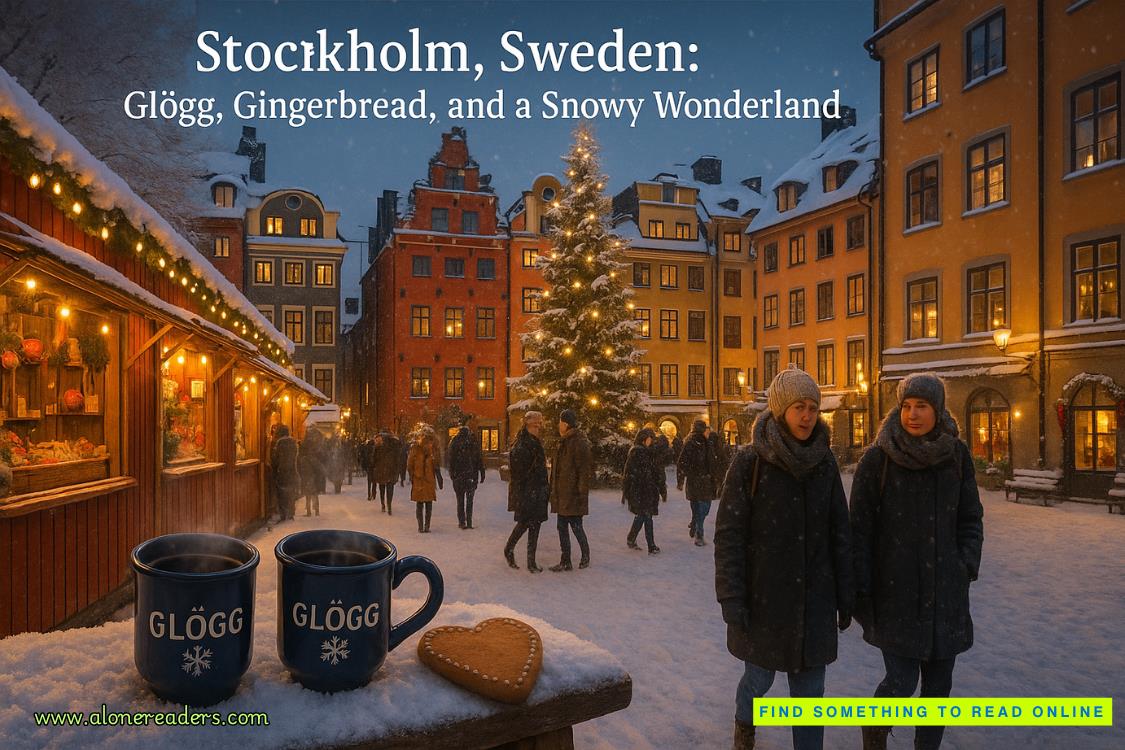
Stockholm, the capital of Sweden, transforms into a true Nordic fairy tale during winter. As snow blankets the historic streets and frozen waterways sparkle under soft Scandinavian light, the city embraces its festive spirit—with warm cups of glögg (mulled wine), the aroma of pepparkakor (gingerbread cookies), and cozy cafés glowing with candlelight. This article is written not as a travel blogger, but as a detailed guide to help travelers experience Stockholm practically, beautifully, and safely—especially during winter months when the city becomes a snowy wonderland.
Charm of the Season:
Stockholm’s winter atmosphere is magical—historic buildings dressed in snow, candle-lit restaurants, and traditional Christmas markets in Gamla Stan (Old Town) that feel straight out of a storybook.
Highlights of the Winter Experience:
• Iconic Christmas markets
• Glögg & gingerbread tasting
• Ice skating at Kungsträdgården
• Winter boat tours & frozen canals
• Festive lighting across the city
• Museums & cozy fika culture (coffee break)
Gamla Stan (Old Town)
A labyrinth of cobbled streets and medieval architecture. During winter, it hosts one of Europe’s most charming Christmas markets, where glögg, gingerbread, handicrafts, and souvenirs abound. Walking here at dusk is one of Stockholm’s most photogenic experiences.
Skansen Open-Air Museum & Christmas Market
An outdoor cultural museum showcasing Swedish history. In December, it turns into a festive village with traditional crafts, carols, folk dances, and food stalls.
Ice Skating at Kungsträdgården
A centrally located ice rink surrounded by restaurants and shopping. Skates can be rented for around 100–120 SEK (€9–11).
Vasa Museum
Home to a 17th-century warship that sank on its maiden voyage and was perfectly preserved. Entry: 190 SEK (€17).
ABBA Museum
Interactive museum celebrating the legendary Swedish band. Entry: 285 SEK (€26).
Winter Boat Tour / Archipelago Trips
Explore frozen waterways and islands. Cost: 300–450 SEK (€27–40).
Glögg (Swedish Mulled Wine):
Traditionally served hot with raisins and almonds. Can be alcoholic or non-alcoholic. Average price: 40–60 SEK (€4–6).
Pepparkakor (Gingerbread Cookies):
Crisp and spicy, often shaped like hearts or stars. Often eaten with blue cheese in Sweden—a surprisingly delicious combo!
Kanelbullar (Cinnamon Buns)
Found in almost every café—essential during fika (coffee break). Price: 35–50 SEK (€3–4.50).
Classic Swedish Winter Dishes:
• Gravlax (cured salmon) – 120–180 SEK (€11–16)
• Meatballs with lingonberries – 150–200 SEK (€14–18)
• Julbord (Christmas buffet) – 450–700 SEK (€40–65)
| Accommodation Type | Average Price per Night | Notes |
|---|---|---|
| Hostel (Shared) | 250–400 SEK (€23–36) | Budget-friendly, common bathrooms |
| Mid-range Hotel | 800–1500 SEK (€72–135) | Comfortable & central |
| Boutique / Scenic Stay | 1500–2500 SEK (€135–225) | Stylish with Swedish design |
| Airbnb Apartment | 700–1400 SEK (€63–126) | Good for longer stays |
Recommended Areas to Stay:
• Södermalm – artsy and affordable
• Norrmalm – central & transport-friendly
• Gamla Stan – historic but pricier
• Östermalm – upscale & quiet
By Air
Stockholm Arlanda Airport (ARN) is the main gateway.
• Arlanda Express Train to city: 320 SEK (€29) – 20 minutes
• Budget bus (Flygbussarna): 120 SEK (€11) – 45 minutes
By Train (from Europe)
SJ trains connect Stockholm to major European cities. Comfortable but slower and sometimes pricier than budget flights.
By Ferry
Regular ferry routes operate from Finland, Estonia, and Latvia. An excellent option if combining multiple Nordic/Baltic countries.
| Transport Type | Cost | Notes |
|---|---|---|
| Single Metro Ticket | 42 SEK (€3.80) | Valid 75 minutes |
| 24-hour Pass | 165 SEK (€15) | Includes metro, buses, tram |
| 3-day Pass | 330 SEK (€30) | Best for travelers |
| Taxi from Airport | 500–600 SEK (€45–54) | Use licensed taxis only |
Tip: Stockholm’s metro stations are known as the World’s Longest Art Gallery – over 90 stations display murals and sculptures.
| Expense | Estimated Cost (€) |
|---|---|
| Accommodation | 300–450 |
| Food & Drinks | 120–200 |
| Transport Pass | 30 |
| Entry Tickets | 80–120 |
| Winter activities | 50–100 |
| Total | 580–900 |
Winter Temperatures
Expect –3°C to –10°C (sub-zero). Dress in layers: thermal base, fleece, waterproof outer layer, insulated boots, gloves, scarf & beanie.
Daylight Hours
In December, Stockholm gets only 5–6 hours of daylight. Plan sightseeing accordingly, and make the most of artificial lighting—city looks stunning after sunset.
Slippery Streets
Icy pavements can be dangerous—wear non-slip shoes. Many locals use shoe grips.
Budget Tip: Alcohol is expensive in Sweden. Buying drinks at supermarkets is much cheaper than bars.
Safety:
Stockholm is extremely safe, even at night. Police presence is high during Christmas markets—but beware of potential pickpocketing in crowded areas.
Stockholm in winter feels like stepping into a Scandinavian fairy tale—where steaming glögg, crispy gingerbread, and snow-dusted rooftops define the season. With its Christmas markets, ice skating rinks, cozy cafés, vibrant cultural landmarks, and efficient transport system, the Swedish capital is one of Europe’s most charming winter destinations. Whether you come for history, food, photography, or festive spirit, Stockholm offers warmth within the cold—and memories that last long after the snow melts.



 Unique Australian Wildlife and Where to Find Them: A Complete Travel Guide
 Island Hopping in the Philippines: Ultimate Travel Guide to Paradise Adventures
 Hong Kong Skyline: Best Spots for Stunning Panoramic Views
 The Enchanting Lijiang: A Complete Guide to Its Ancient Alleys, Culture, and Travel Costs
 San Diego: The Ultimate Family Vacation Destination (Beaches, Wildlife, and Budget-Smart Fun)
 Unveiling the Mysteries of the Kazan Kremlin: A Complete Travel Guide to Russia’s Historic Gem