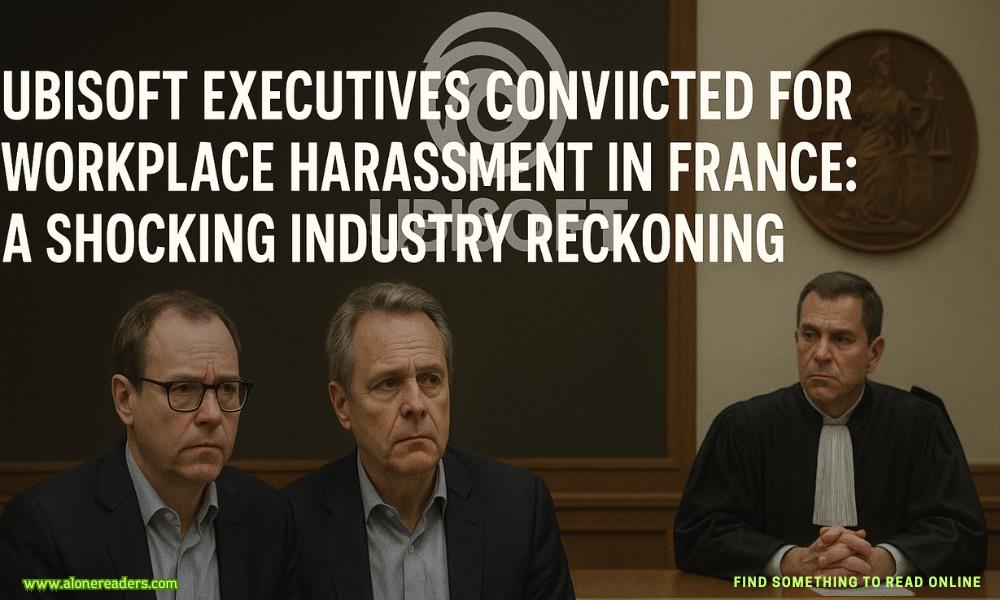
In a landmark ruling that has sent shockwaves through the global gaming industry, a French court has convicted several former Ubisoft executives for workplace harassment, concluding a years-long investigation into systemic misconduct at the gaming giant. The verdict comes after intense scrutiny of Ubisoft’s corporate culture, sparked by numerous reports of abuse, bullying, and toxic management practices that allegedly persisted unchecked for years within one of the world’s most influential game publishers.
The legal proceedings focused on both moral and sexual harassment claims made by multiple former employees who worked at Ubisoft’s Paris headquarters between 2015 and 2020. Testimonies presented in court painted a disturbing picture of an environment where intimidation, misogyny, and psychological manipulation were allegedly tolerated or even normalized at the highest levels of management. This case not only implicates individual perpetrators but also raises serious concerns about corporate complicity and negligence.
Among those convicted were high-ranking individuals who had held senior creative and HR roles. According to the court’s findings, these executives failed to act on multiple internal complaints, allowed abusive behavior to flourish, and in some instances directly engaged in misconduct themselves. The court emphasized that the abuse went beyond isolated incidents, describing it as a systemic failure that caused severe harm to victims’ mental health, professional reputations, and personal lives.
The investigation began in earnest following a wave of revelations in 2020, when employees began sharing experiences of abuse and toxicity under the #MeTooGaming and #UbisoftDropTheAct hashtags. Journalistic investigations, particularly by French publication Libération, exposed internal cover-ups and a culture of silence, forcing the company to respond publicly. Ubisoft CEO Yves Guillemot promised a full overhaul of company practices, yet critics and former employees argued that changes were too slow and superficial.
This court decision represents the first time that Ubisoft executives have faced legal consequences for the internal culture that was long shielded by a combination of fear, inaction, and corporate defensiveness. It is especially notable in the context of France’s relatively strict labor laws, which make it difficult but not impossible to prove workplace harassment in court. Legal experts have praised the ruling as a precedent-setting moment for the French tech and entertainment sectors, where high-pressure environments and “boys’ club” mentalities are often taken for granted.
Former employees who testified in court described suffering from burnout, depression, and career setbacks after being subjected to or witnessing constant verbal abuse, sexual innuendo, and inappropriate conduct. Some reported retaliation after raising concerns, including demotions or being sidelined on important projects. One former designer spoke of “a reign of terror” under certain managers, where creative meetings became opportunities for public shaming rather than collaboration. The court accepted these testimonies as credible and consistent, establishing a pattern of behavior that went unaddressed by HR and executive leadership.
Ubisoft’s legal defense argued that the company had taken significant steps since 2020 to improve its internal policies and training, and that the accused individuals no longer held positions within the company. However, the court rejected the idea that these measures absolved the executives of responsibility for past misconduct. In its verdict, the judge noted that institutional accountability must include acknowledgment of harm, not just policy changes. The court imposed suspended prison sentences and fines on the convicted executives, citing both their direct actions and their failure to intervene as leaders responsible for employee welfare.
While the ruling brings some measure of closure for victims, the broader conversation about workplace culture in the gaming industry is far from over. Ubisoft is not alone in facing such allegations. In recent years, other major studios—including Activision Blizzard, Riot Games, and Quantic Dream—have been implicated in similar controversies. These cases have fueled growing demands from employees, labor unions, and industry watchdogs for enforceable codes of conduct, whistleblower protections, and the unionization of game development workers.
In response to the conviction, Ubisoft issued a short public statement expressing “regret for the distress caused to former employees” and reaffirming its commitment to fostering a “safe and respectful” work environment. However, the company stopped short of directly acknowledging the court's findings or detailing any further disciplinary actions against those convicted. This muted response has drawn criticism from advocacy groups and employee collectives, who argue that meaningful change requires transparency and accountability at all levels of the organization.
Beyond its immediate legal and reputational consequences, this case has deeper implications for how leadership is held accountable in creative industries that often glamorize eccentric or authoritarian figures in the name of “vision” or “innovation.” For too long, the myth of the genius game director or charismatic executive has excused abusive behavior, particularly in male-dominated environments where women, LGBTQ+ individuals, and minorities often face additional barriers and marginalization.
This verdict challenges those norms by legally affirming that leadership comes with responsibility—not just for delivering successful products but for upholding dignity and respect in the workplace. It also empowers other workers in France and beyond to come forward, report misconduct, and demand better conditions without fear of retaliation or dismissal. French labor unions have already seized on the case to call for expanded protections for workers in the tech and gaming industries, including clearer grievance mechanisms and third-party oversight of HR practices.
For Ubisoft, once lauded for pioneering game franchises like Assassin’s Creed, Far Cry, and Watch Dogs, the conviction marks a painful but necessary reckoning. The company has a long road ahead to rebuild trust with employees, fans, and partners. Real reform will require more than diversity trainings and internal memos—it will demand structural change, new leadership cultures, and a willingness to confront uncomfortable truths about power and privilege in creative industries.
As the gaming world watches closely, the outcome of this case serves as both a warning and an opportunity. For companies that have benefited from years of rapid growth and public adoration, this is a moment to reflect on what kind of environments they are fostering behind the scenes. For workers and advocates, it is a rare and powerful example of justice being served—not just in the court of public opinion, but in the eyes of the law.



 Meaning and Origins of Easter: A Deep Dive into Its History and Symbolism
 A Complete Guide to Healthy and Delicious Easter Brunch Recipes
 Creative DIY Easter Decorations to Brighten Your Home
 Easter Traditions Around the World: Egg Hunts, Bonfires & Festive Feasts in 2025
 Reforming Uber Driver Ratings: The Need to Count Unrated Rides for Fairer Evaluations
 Best Smartphones of 2025 (So Far): Top Picks, AI Features, and Market Trends










