
Sustainable investing is a simple idea with powerful consequences: you allocate capital to companies and projects that manage environmental and social risks well and contribute solutions to real-world problems, while still targeting competitive financial returns. For decades, investors treated these goals as a trade-off—good for the planet or good for your wallet. That false choice is fading. Today, better data, clearer frameworks, and a broader menu of investment products make it realistic to pursue both outcomes at once.
At its core, sustainable investing is about materiality—how environmental, social, and governance (ESG) factors affect a company’s cash flows, cost of capital, and long-term resilience. Think of climate risk that disrupts supply chains, water stress that drives up costs, labor practices that influence productivity and turnover, or governance failures that lead to fines and reputation damage. When you analyze these issues alongside traditional metrics like margins and leverage, you reduce blind spots. That can improve risk-adjusted returns over a full market cycle, not by magic, but by avoiding avoidable risks and backing businesses built to survive structural change.
It helps to distinguish three approaches that often get lumped together. ESG integration means folding financially relevant ESG data into your fundamental analysis; it’s a way to sharpen your view of risk and opportunity. Values-aligned or “ethical” investing screens out activities you personally want to avoid, such as tobacco or controversial weapons; this is about alignment first, performance second. Impact investing aims to measurably improve outcomes—such as renewable energy capacity, affordable housing units, or health access—while earning returns. Many diversified portfolios blend these approaches: use broad ESG integration for the core, add values screens to reflect your red lines, and allocate a sleeve to targeted impact.
Why might this be good for your wallet? Start with downside protection. Companies that ignore environmental liabilities or social controversies often face impairments, litigation, or demand destruction. Next, consider structural growth. Firms that provide climate and social solutions—clean energy, grid software, efficient buildings, circular materials, telehealth—sit in tailwinds supported by regulation, customer preference, and technology learning curves. Finally, capital markets themselves are shifting; lenders reward credible transition plans with lower financing costs, while investors increasingly demand clarity on sustainability. All else equal, a lower cost of capital and stronger demand support higher valuations over time.
Sustainable investing isn’t limited to equities. In fixed income, green bonds finance specific projects like wind farms or energy-efficient retrofits; proceeds are ring-fenced and reported against. Sustainability-linked bonds tie coupon step-ups or step-downs to the issuer’s achievement of predefined metrics—say, cutting scope 1 and 2 emissions by a certain percentage by a target date. There are social bonds for housing, education, or healthcare access; transition bonds for heavy industry on credible decarbonization paths; and labeled money-market instruments like green commercial paper. Real assets and private markets add renewable power, green real estate, nature-based solutions, and climate adaptation infrastructure. If you prefer simplicity, there are ESG-integrated mutual funds and ETFs that track broad markets with thoughtful screens and active ownership policies.
Before you buy anything, be clear about your objective. Are you trying to reduce exposure to climate transition risk? Reflect personal values? Finance measurable impact? Target long-term growth in climate solutions? These are compatible but distinct goals that drive different product choices. A carbon-light index fund, for example, can cut portfolio emissions but doesn’t automatically finance new solar capacity; an impact fund might be smaller, more volatile, and more concentrated, but it channels capital directly to solutions. When objectives are explicit, you can choose the right tool and judge success honestly.
Greenwashing—overstated sustainability claims—is a legitimate concern, and you can guard against it with better questions. Read a fund’s stated strategy and look for specificity: which issues are considered, why they are financially material, and how they influence buy/sell decisions. Inspect the actual holdings; if a “clean energy” fund is dominated by mega-cap tech stocks with tenuous links to the theme, be skeptical. Review stewardship policies and voting records; genuine active ownership shows up in engagement priorities, escalation pathways, and proxy votes aligned with those priorities. For bonds, check use-of-proceeds frameworks or sustainability-linked bond targets and the consequences for missing them. Independent verification or second-party opinions add credibility, but don’t outsource your judgment entirely to third-party ESG ratings—methodologies differ and are not a substitute for understanding the business model.
Measurement matters. Carbon accounting is a starting point, not the finish line. Look at absolute emissions and intensity; consider scope 1 (direct), scope 2 (electricity), and scope 3 (value chain). Emissions can fall just by shifting your portfolio into banks or software without financing new decarbonization; that might lower reported footprint while contributing little to real-world change. If your goal is impact, seek funds that report outcome metrics—megawatts of renewables installed, tonnes of CO₂e avoided, energy saved, households served—and explain the causal chain from your capital to those outcomes (often called a “theory of change”). For social themes, metrics might include affordable units built, small businesses financed, or health interventions delivered, always with safeguards for unintended consequences.
Risk management remains central. Sustainable strategies can carry factor tilts—toward quality, growth, or lower leverage—that help in some markets and hurt in others. Thematic funds may be concentrated in a handful of sectors and regions, increasing volatility. Illiquidity in private markets demands longer horizons. Policy risk cuts both ways; supportive regulation can accelerate adoption, but rule changes can reset incentives. Fees vary widely; a low-cost ESG index may charge only slightly more than a vanilla fund, while specialized impact vehicles can be expensive. Make sure the expected value of the strategy justifies the cost and complexity relative to your goals.
Putting it all into practice is easier with a simple blueprint. Many investors start with a diversified core that integrates ESG into broad market exposure, then add targeted sleeves. A core global equity allocation that excludes a few red-flag activities and tilts toward higher-quality governance can anchor the portfolio. A fixed-income sleeve can include green and sustainability-linked bonds for stability and transparent climate projects. A smaller allocation to solution-oriented themes—like grid modernization, battery supply chains, water efficiency, or nature restoration—can pursue growth and impact, recognizing higher volatility. Cash management with banks that disclose credible sustainability policies can round things out. The exact percentages depend on your horizon and risk tolerance, but the structure—a durable core with focused satellites—keeps you diversified and intentional.
Stewardship is an underappreciated lever. Even passive funds own large stakes in thousands of companies; how they vote on director elections, climate disclosures, political spending transparency, or human-rights due diligence can influence corporate behavior. Review a manager’s voting history and engagement case studies; some publish quarterly reports detailing objectives, meetings, and outcomes. If your values and their actions diverge, choose a different fund or consider a separately managed account that can tailor votes and exclusions to your preferences.
There’s also a practical tax and operations angle. In taxable accounts, consider how turnover and realized gains from strategy changes affect after-tax returns. If you donate appreciated shares from ESG-aligned positions, you may achieve philanthropic and tax goals simultaneously. Automated contributions and periodic rebalancing help you stick to the plan; you can add a “sustainability lens” to rebalancing by favoring purchases of companies improving on material metrics and trimming exposure where risks rise or progress stalls. Document your approach in a short investment policy statement that clarifies objectives, constraints, and what would trigger changes—so you adjust intentionally, not reactively.
Common myths deserve a quick reality check. “All ESG is political” misunderstands that many ESG factors are simply business fundamentals—energy costs, supply chain resilience, regulatory exposure, product safety, board oversight. “ESG always outperforms” is equally wrong; results vary by period, sector mix, and factor exposure. The most accurate statement is more modest: integrating financially relevant ESG data can improve decision quality, and allocating to structural solutions can align returns with long-term transitions. Neither guarantees alpha every year, but both are rational ways to pursue durable compounding while avoiding foreseeable risks.
If you’re just starting, begin with what you control. Define what “sustainable” means to you. Pick one account and switch its core holdings to a low-cost ESG-integrated index. Add a small solutions sleeve and commit to reading quarterly updates. Vote your proxies or select managers whose stewardship you trust. Schedule an annual review to check performance, fees, and whether reported outcomes match the story you were sold. Over time, the compounding of small, consistent decisions matters more than the headline of a single “green” product.
Sustainable investing is not a niche or a fad; it’s simply investing with a fuller set of information and a longer time horizon. When you recognize that profits depend on stable climate, functioning ecosystems, healthy communities, and credible governance, it becomes obvious that caring about these things is not separate from financial analysis—it is financial analysis. Done thoughtfully, sustainable investing lets your money push the real economy in a better direction while seeking the returns you need to meet your goals. That’s good for the planet and good for your wallet—and you don’t have to compromise on either.
** This article is general information, not financial advice. Consider your circumstances or consult a licensed adviser before making investment decisions.



 US-India Deal Approaches: What President Trump’s Tariff Retreat Means for Bilateral Trade
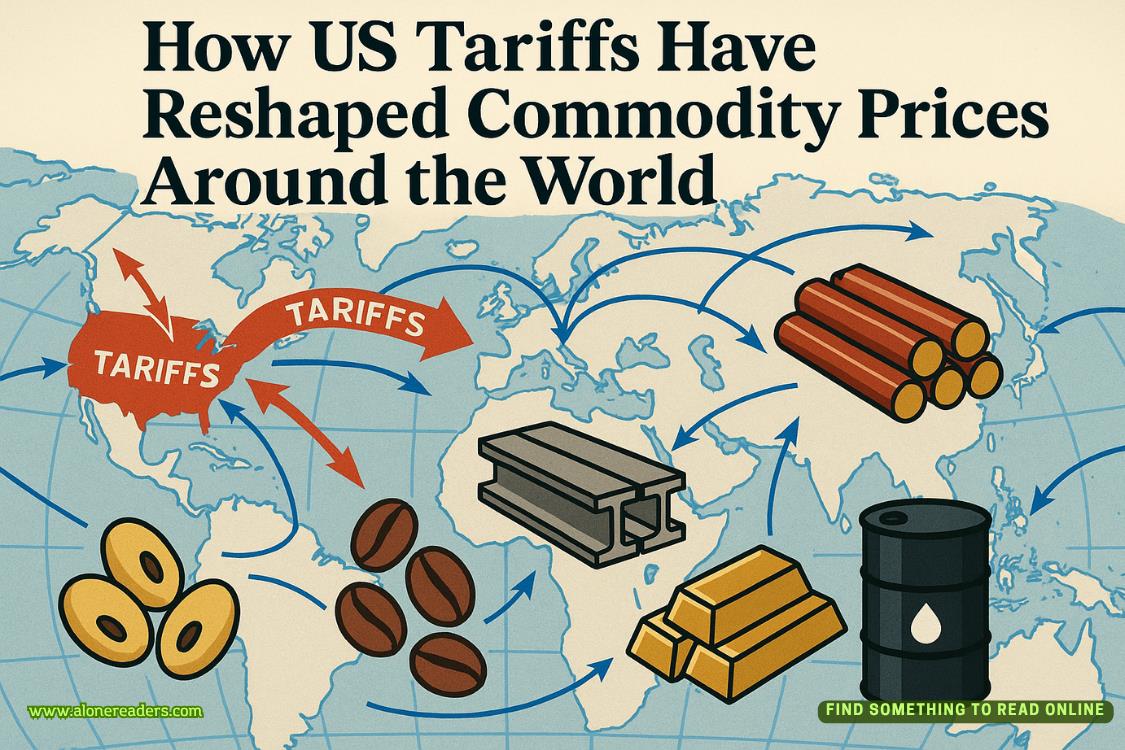 How US Tariffs Have Reshaped Commodity Prices Around the World
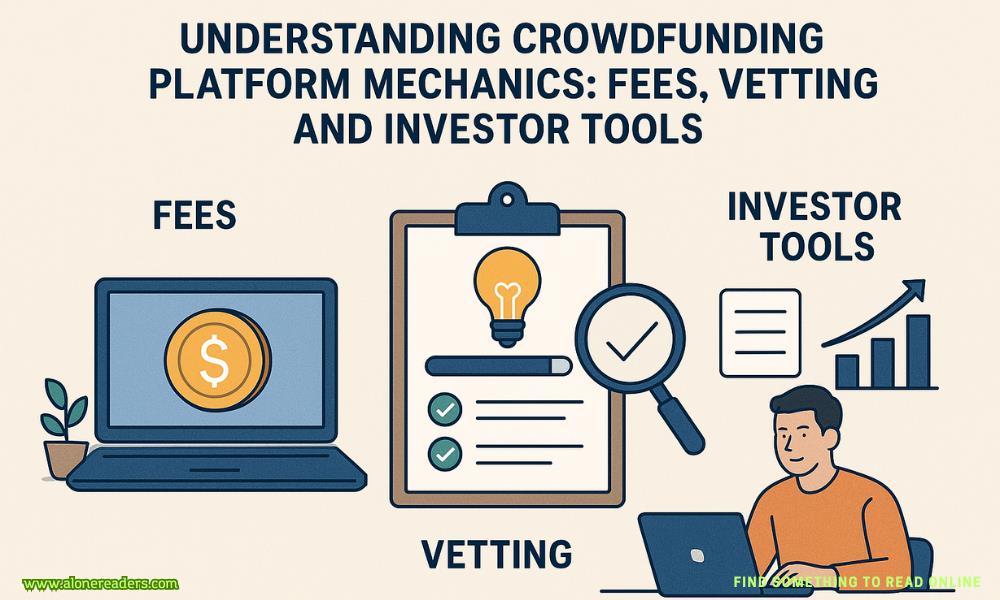 How Crowdfunding Platforms Work: Fees, Campaign Vetting, and Investor Tools
 From Investment to Exit: Realistic Returns and Exit Strategies in Crowdfunding
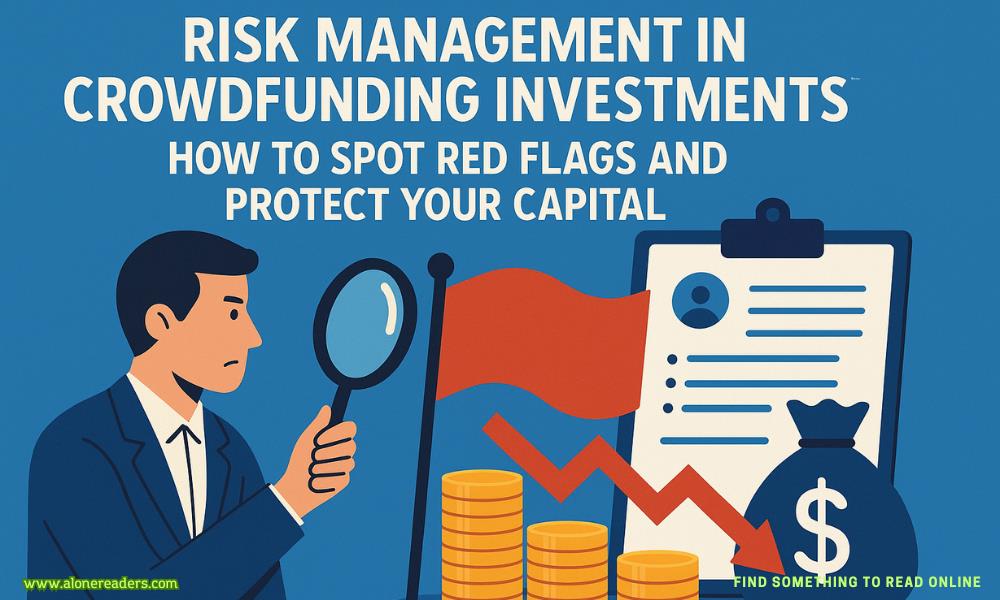 Risk Management in Crowdfunding Investments: Red Flags, Founder Vetting, and Smart Diversification
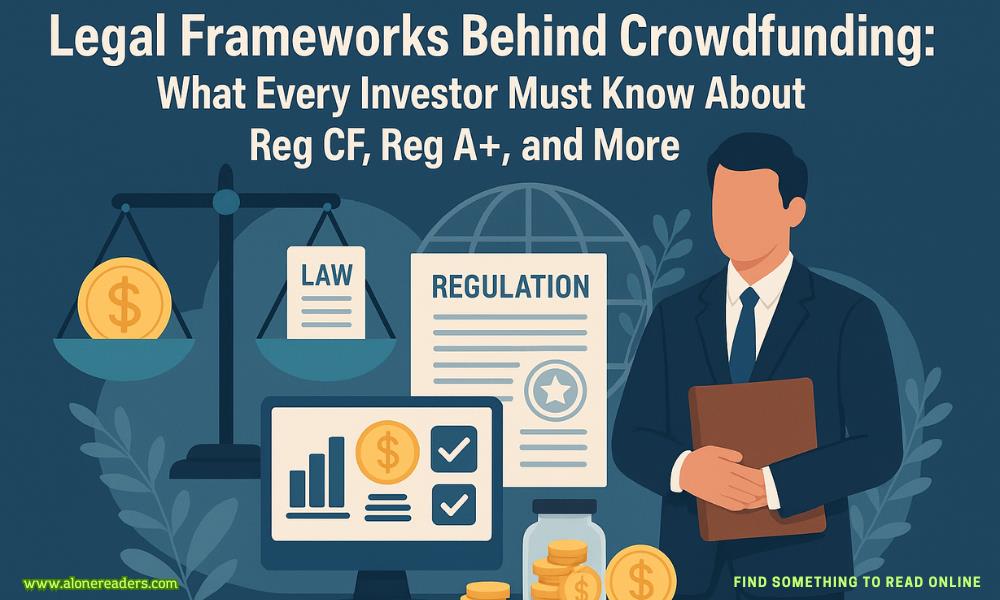 Legal Frameworks of Crowdfunding: Reg CF, Reg A+, and Global Compliance Guide










