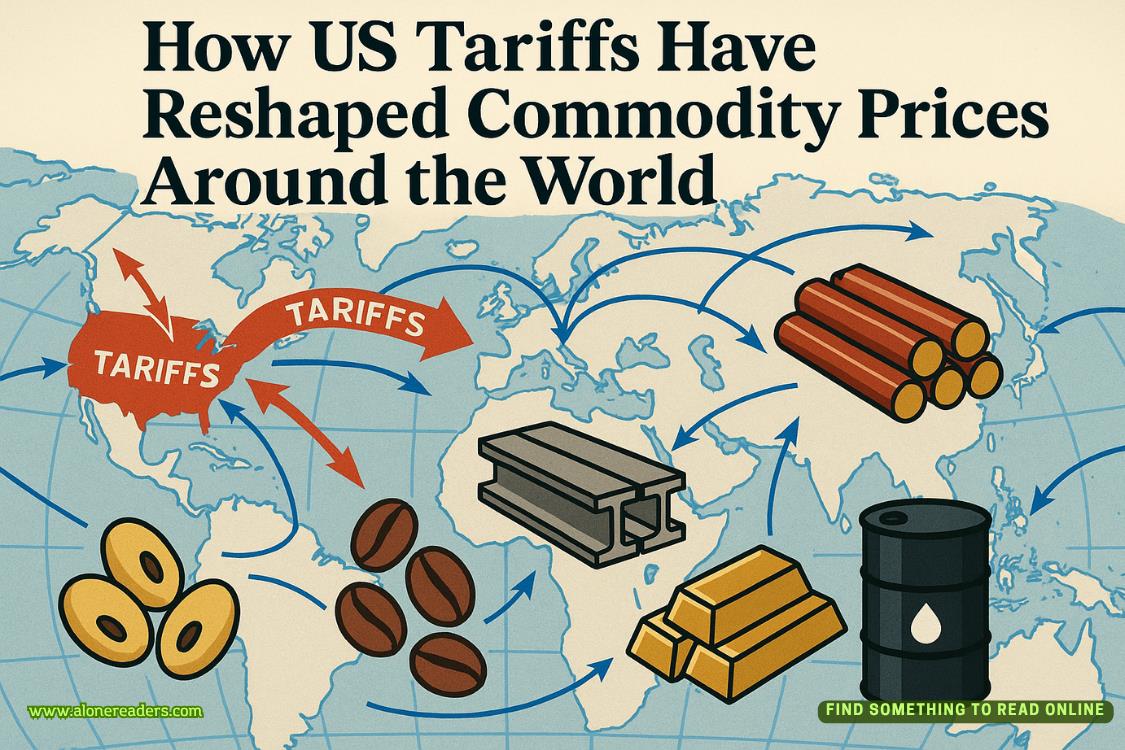
In 2025 the United States’ sweeping tariff campaign under President Trump entered a new phase—one not limited to individual sectors or trading partners but encompassing a vastly expanded set of commodities, geographies and supply-chain nodes. The result: commodity markets that had become familiar and stable are now in flux; traditional trade routes are being redrawn; price structures that looked settled just a year ago are now under intense pressure. This article looks deeply into how these tariffs are rippling through agricultural goods, industrial metals, energy, food inflation and critical minerals—and what this means for global producers, consumers and supply chains.
Soybeans & corn: a shifting dynamic
One of the most dramatic impacts has played out in the agricultural sector. US soybean exports—a hallmark of American-farm trade with China—hit a drastic decline as retaliatory tariffs pushed Chinese buyers toward alternative suppliers. US exports to China dropped more than 30 % compared with pre-tariff levels. The knock-on effects include not just lost export revenue, but also excess supply and squeezed margins for US farmers.
Corn has also felt the blow: corn prices in the United States surged around 18 % in 2025 as export opportunities shrank and domestic demand adjusted. That rapid rise reflects the anomaly of an abundant crop facing constrained outlets, combined with shifting global demand patterns.
Brazil, global supply-chain pivot and price pressure
With the US tariffs biting hard, Brazil—already the world’s largest exporter of soybeans and corn—stepped in as the beneficiary of reshuffled trade flows. When the US announced a 50 % tariff on Brazilian imports effective August 1, 2025, the reaction was immediate: Brazilian commodities were re-directed toward Asia, Europe and the Middle East, increasing export pressure on other producing nations such as Argentina and Ukraine. This flood of supply into alternative markets brought downward pressure on overall grain prices internationally, harming many producers—including paradoxically US farmers who now face sharper competition.
Coffee: from disruption to inflation
Coffee offers a vivid micro-case of tariff-driven volatility. The US imposed a 50 % tariff on Brazilian coffee in July 2025. Combined with severe drought conditions in Brazil, this triggered a near-40 % rise in global coffee prices between August and October. Stocks held in US exchange-monitored warehouses hit their lowest since late 2020. US imports from Brazil plunged by more than 80 % post-tariff, leaving roasters grappling with stranded shipments and consumers facing steep price hikes of up to 40 %. The chain reaction: higher consumer prices, instability for growers, and supply-chain log-jams.
Partial relief, but long-term damage?
In November 2025, China began unwinding some of the retaliatory agricultural tariffs following summit meetings between Presidents Trump and Xi. But even with reductions, US soybeans still faced a 13 % tariff—sufficient to keep US shipments costly compared with Brazilian alternatives. For many US farmers the damage has already been done: relationships lost, market share ceded, and contract momentum broken. This shift may well prove permanent.
Steel and aluminium costs escalate
In the metals sector, the US moved aggressively again. Effective June 4, 2025, tariffs on steel and aluminium imports rose to 50 % under Section 232 of the Trade Expansion Act. The cost impact cascaded across industries that rely heavily on these base metals. Aluminium premiums in the US Midwest soared to approximately $0.77 per lb ($1,697/ton) by early October—representing a ~250 % increase since January. Historically Canada supplied around 70 % of US aluminium imports; the tariff shock thus created a major supply-shock inside the US industrial base.
Steel prices showed similarly distorted behaviour—between February and May the US-EU steel price differential increased 77 %, prompting manufacturers to reconsider steel-intensive product lines and accelerate local production capacity investment.
Copper: supply distortion and whipsaw pricing
Copper, a key industrial metal and bellwether of manufacturing health, saw one of the most dramatic tariff-driven swings. In July 2025 the US announced a 50 % tariff on copper products. Traders rushed to import ahead of implementation, driving COMEX futures sharply higher and causing the US premium over the London Metal Exchange (LME) prices to balloon to ~30%—far above the previous five-year average of 0.5%. When the administration unexpectedly exempted refined copper from tariffs, the US price crashed more than 20% in a single day; the COMEX-LME spread collapsed from about $2,000/ton to near parity. The result: stranded copper stockpiles, global redistribution headaches, and major mark-to-market losses.
Crude oil and demand pressure
Energy markets displayed a more nuanced reaction. Although crude oil was relatively insulated from direct tariffs, the broader economic knock-on from tariff-induced recession fears dampened demand prospects. Mid-2025 saw WTI crude trading around $66/barrel—near three-year lows despite persistent geopolitical risks. A partial truce between the US and China (cutting a handful of tariffs in May) triggered a brief price jump (+4%), but the underlying trend remained soft as demand growth weakened in response to trade-driven uncertainty.
LNG, infrastructure and cost inflation
In the liquified natural gas (LNG) sector the tariff impact was indirect but deep. Tariffs on steel and aluminium inflate the cost base for LNG export terminal construction—steel and aluminium account for up to 30 % of a large-scale export facility’s cost. Projects faced delays and cost overruns just as major purchasers such as Japan and South Korea committed to multi-billion dollar US imports as part of trade-negotiation deals. The tariffs therefore were a hidden tax on future LNG capacity and indirectly influenced global gas supply dynamics.
Food price inflation accelerates
The tariff regime translated into higher prices across the grocery aisle. In August 2025 grocery prices rose by 0.6%—the highest monthly jump of the year—with economists attributing much of this to tariff-driven cost pressures. Food-at-home prices rose ~2.4% in 2025, food-away-from-home ~3.9%. Corporate disclosures underscore the impact—one major confectionery firm warned that tariffs on cocoa and other imported ingredients would raise costs by $170-180 million in fiscal 2025. Another restaurant chain announced a menu-price increase of 1.7% in response to rising input costs.
Fertilizer and input cost squeeze
Fertilizers—vital inputs for row-crop agriculture—have also been disrupted. US tariffs on fertilizer imports pushed phosphate shipments “well below last year’s levels,” according to a major producer. The phosphate segment reported multi-million-dollar losses in Q2 2025. Fertilizer prices rose 10-15% over 2024 levels, with nitrogen costs especially elevated. This matters because for many farmers fertilizer now represents more than 30% of their input cost, and these higher costs arrive just when export markets are constricted. Farm groups warned of a “calamitous environment” in which high input costs and trade uncertainty coincide.
China’s export controls and US counter-measures
Rare earths have emerged as a strategic—and highly volatile—commodity under the 2025 tariff environment. China, accounting for ~70% of global rare earth mine production, imposed new export licensing requirements in October 2025 on even trace-element goods. The US responded by threatening “massive” tariff increases on Chinese imports—potentially up to 100%—in retaliatory moves.
US guaranteed pricing and market disruption
In mid-July 2025 the US Department of Defense struck a multi-billion‐dollar deal with the US’s sole rare-earth miner to guarantee a minimum price of $110 per kg for neodymium-praseodymium oxide—nearly double the China-based market rate of ~$60/kg. That price floor signalled a structural shift in how rare earths are priced globally—and triggered a jump in Australian-listed rare-earth mining stocks. Analysts raised price forecasts for dysprosium and terbium by 50% for 2026 in response to this new strategic pricing policy.
Amid the torrent of tariff-driven uncertainty, gold has stood out. The precious metal surged under the combined weight of trade-risk premium, recession fear and safe-haven demand. Spot gold approached $4,000/oz in November 2025, after climbing ~30% year-to-date and peaking at $3,500/oz in April. A V-shaped recovery followed a dip to $3,060/oz in spring. Analysts flagged this as a structural bull case: with interest-rates easing, tariffs persisting and global growth worrying, gold’s safe-haven role was heightened.
Emerging-market economies have faced a complex mix of direct and indirect tariff impacts. On one hand, slower US demand and trade-flow disruption are hitting export-dependent emerging countries; on the other, diverted Chinese goods are increasing competition in regional manufacturing hubs (Thailand, Vietnam, Philippines, Malaysia). Some oil-importing emerging markets gained a bit from lower energy prices, but for oil exporters the squeeze from depressed oil and gas prices and slower global growth has been acute. The interplay between supply-shock (tariffs) and demand-shock (growth fears) has made the shock package broader than previous trade episodes.
Beyond the immediate price fluctuations lies the deeper story: the structure of trade is being rewired. The US federal government collected about $88 billion in tariff revenue through mid-2025—$23 billion of that in August alone. The average effective US tariff rate increased nearly 9 percentage points, far above the ~1 point rise seen in the 2018-19 trade war. Traditional patterns—US farm exports to China, Canadian steel/aluminium exports to the US, Chinese rare earth dominance—are all under challenge.
US farmers have lost not just a year of exports but potentially long-term market share, as buyers build relationships with alternative suppliers. Brazilian, Argentine and Russian agricultural exporters are positioned to win. Australia and other rare-earth producers appear poised to challenge China’s strangle-hold. Companies are rethinking supply chains: near-shoring, reshoring, diversifying away from tariff-sensitive routes. But the breadth of the 2025 tariffs—targeting nearly all trading partners rather than being country-specific—means many of the rerouting strategies of earlier trade conflicts are less effective. Amid the volatility, companies face greater uncertainty in pricing, contracting and inventory management.
The 2025 US tariff regime is more than a trade skirmish—it is a structural dislocation of commodity markets. From soybeans to steel, copper to rare earths, and food supplies to energy infrastructure, the shock waves are deep, broad and likely long-lasting. Price swings are not simply cyclical—they reflect contested supply chains, re-aligned trade relationships and strategic policy shifts.
For producers, the message is clear: old customers may not return, and long-standing export dominance is no guarantee. For consumers, the cost is real—in higher food prices, higher industrial goods prices and reduced supply-chain resilience. And for the global economy, the ripple effects of tariff-driven uncertainty mean elevated risk of slower growth, elevated inflation and a protracted transition to new trade equilibria.
Those monitoring commodity markets must now think in terms of structural change, not just short-term cycles. The legacy of these tariffs will be felt well beyond 2025.
In sum: the commodity markets of tomorrow will not look like those of yesterday. The interplay of policy, trade, price and supply-chain realignment is writing a new chapter—and for many players the only certainty is more change ahead.



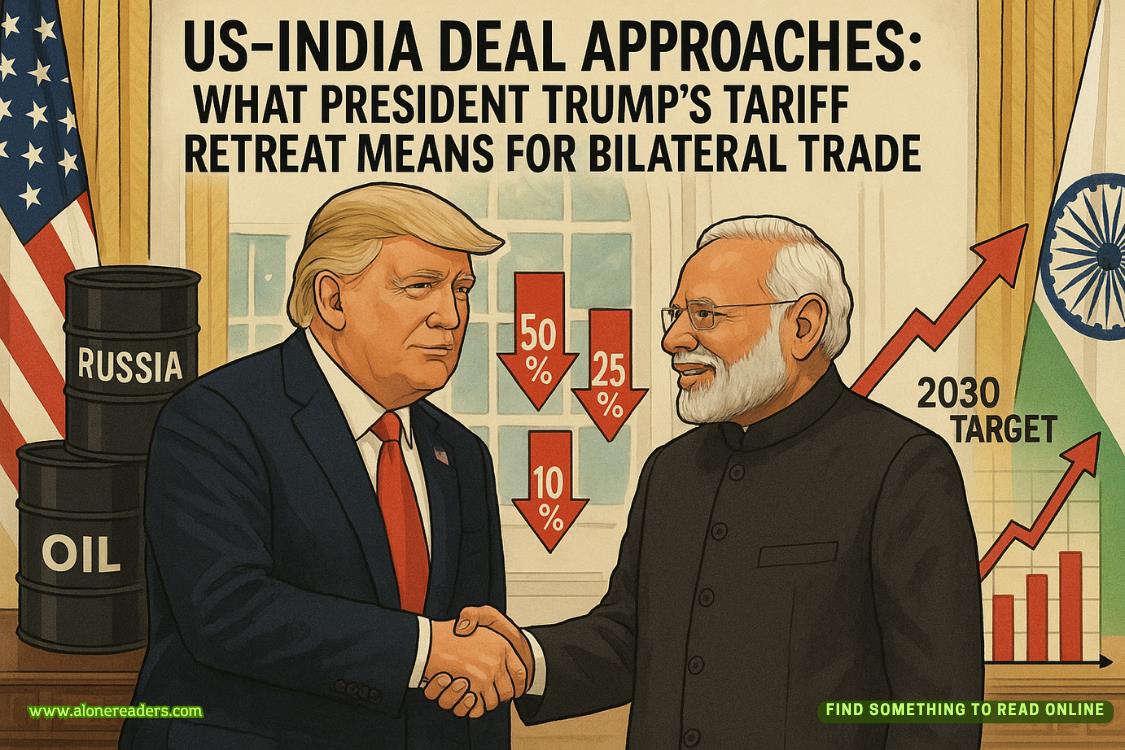 US-India Deal Approaches: What President Trump’s Tariff Retreat Means for Bilateral Trade
 Sustainable Investing: Good for the Planet and Your Wallet
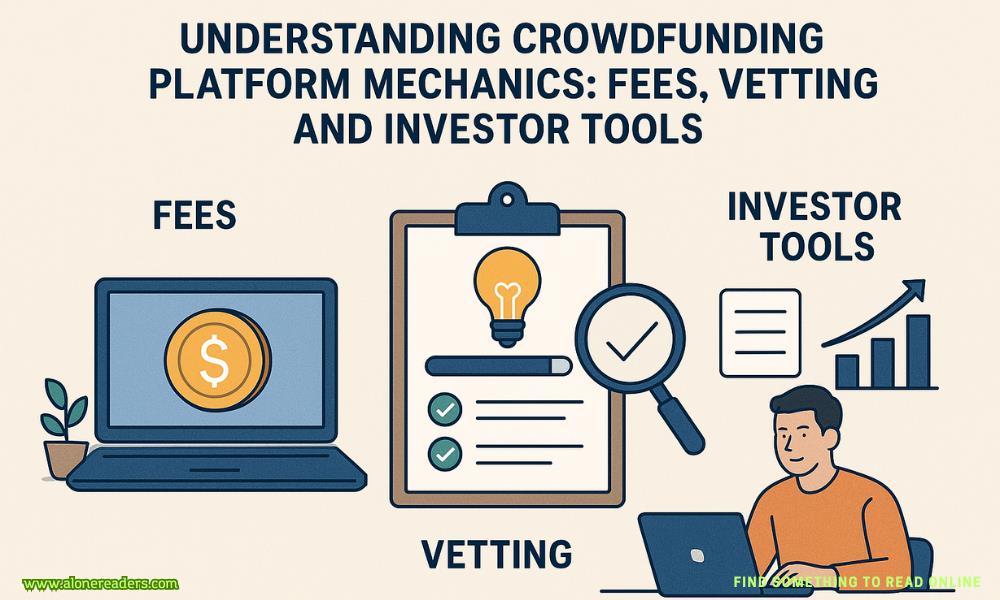 How Crowdfunding Platforms Work: Fees, Campaign Vetting, and Investor Tools
 From Investment to Exit: Realistic Returns and Exit Strategies in Crowdfunding
 Risk Management in Crowdfunding Investments: Red Flags, Founder Vetting, and Smart Diversification
 Legal Frameworks of Crowdfunding: Reg CF, Reg A+, and Global Compliance Guide










