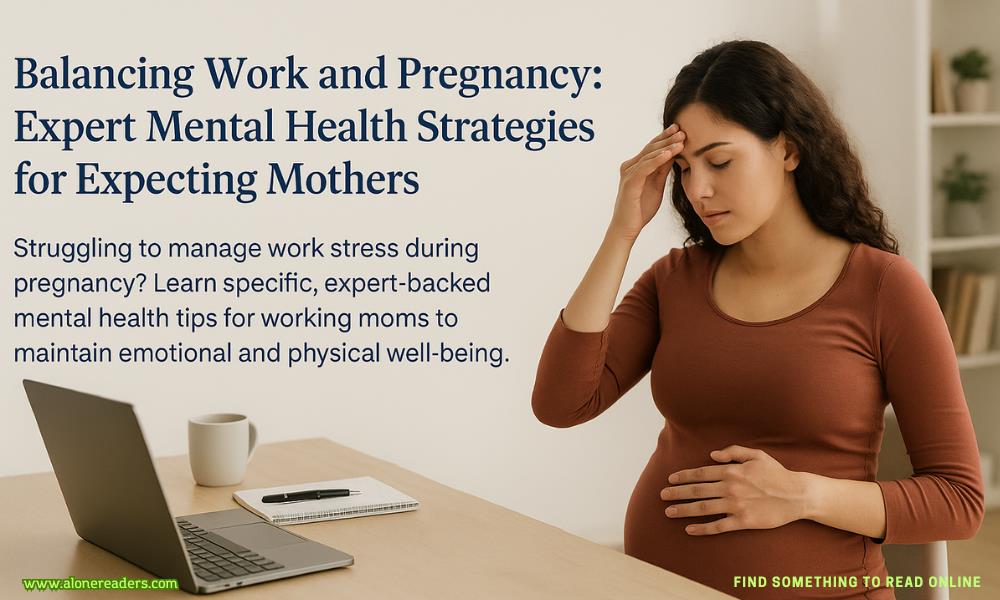
Pregnancy is a life-altering journey, filled with emotional shifts, hormonal changes, and physical transformations. For working women, these changes can be even more overwhelming when combined with deadlines, professional expectations, and career anxieties. Maintaining mental health while juggling work and pregnancy isn’t just beneficial—it’s essential for the health of both the mother and the unborn baby.
This article goes beyond generic advice. It offers a specialist’s perspective on how to protect your mental well-being while managing professional responsibilities during pregnancy.
Hormonal changes intensify emotional reactivity
Pregnancy triggers a surge of hormones such as estrogen and progesterone, which can increase emotional sensitivity and vulnerability to stress. In a high-pressure work environment, these hormonal shifts can lead to emotional exhaustion, anxiety, or irritability if not managed with care.
Fear of perception and job insecurity
Many pregnant women experience a deep fear of being perceived as less competent or “too fragile” for their roles. This fear may lead them to overwork, hide symptoms, or refuse accommodations—all of which can harm mental health.
Guilt over divided attention
Expecting mothers often feel torn between loyalty to their careers and the need to focus on their pregnancy. The resulting guilt can create internal stress and fuel burnout if not addressed constructively.
Managing early pregnancy symptoms at work
The first trimester often brings nausea, extreme fatigue, and anxiety—yet many women choose not to disclose their pregnancy early on. This secrecy, combined with physical discomfort, can cause significant mental strain.
Specific Tip: Strategic Resting and Energy Conservation
Plan low-energy tasks during the periods you feel most tired (usually afternoons). Use break times to rest or practice mindful breathing. If flexible hours are possible, discuss them with your employer discreetly.
Managing fear of miscarriage or complications
The first trimester also brings anxiety about miscarriage. It’s important to acknowledge these fears and, if needed, discuss them with a therapist or obstetrician rather than bottling them up.
Reclaiming emotional balance
Many women feel physically better in the second trimester, which makes this a good time to assess your workload and boundaries.
Specific Tip: Start planning for workload transitions
Initiate conversations about maternity leave and project handovers now, while energy levels are higher. This reduces stress later and gives a sense of control.
Emotional intelligence in workplace conversations
When disclosing your pregnancy, approach your manager with confidence and clarity. Use “I” statements to express needs without guilt (e.g., “I want to maintain my current performance, but I may need occasional breaks”).
Navigating growing discomfort and mental fatigue
As the body prepares for labor, physical discomfort increases, and so can the anxiety about the upcoming birth.
Specific Tip: Delegate effectively and focus on essential tasks
By now, you should be in the handover phase. Communicate your current capacity clearly. Focus on tasks that align with your strengths, and avoid unnecessary overtime.
Anticipatory anxiety about birth or maternity leave
It's common to feel overwhelmed by the thought of labor or how your absence may impact your team. Structured breathing exercises, birth preparation classes, or counseling can help channel these anxieties into actionable steps.
Know your legal rights and use them
Many countries, including Australia, have clear maternity protection laws. Understand your rights to leave, accommodations, and breaks. Enforcing these rights isn't selfish—it's essential for mental health.
Specific Tip: Use calendar blocks and auto-responses
Create protected blocks of time in your work calendar for rest or mental resets. If needed, use email auto-responses to set communication expectations.
Saying “no” without guilt
You may feel tempted to take on “just one more thing” to prove your value. But pregnancy is not the time to overextend. Rehearse polite refusals such as, “I’m currently at full capacity and focusing on critical priorities.”
Work-from-home benefits for pregnant professionals
If your role allows remote work, it can offer critical physical and mental relief. Flexible clothing, personalized rest schedules, and reduced commute stress all benefit mental health.
Specific Tip: Maintain boundaries even when working from home
While working remotely, avoid the trap of constant availability. Define your working hours, take real breaks, and step away from the screen during lunch.
Plan for the transition gradually
Start preparing your exit plan by the second trimester. Document ongoing tasks, create transition guides, and communicate them early. This reduces last-minute stress and builds goodwill.
Specific Tip: Mentally rehearse letting go of control
High-performing women often struggle with stepping away. Practicing “detachment with trust”—believing your team can manage without you—helps reduce anxiety around taking leave.
Let go of perfectionism
Your body is doing a tremendous job creating life. Now is not the time to strive for perfection. Accept that your work outputs might fluctuate in quality—and that’s okay.
Lean on trusted colleagues
Identify at least one colleague you can be honest with about your symptoms or stress. Even having one “safe” person can be a huge mental relief.
Include your partner or family in planning
Discuss your work plans, fatigue levels, and mental health with your partner or a trusted family member. Their emotional support and shared involvement help reduce feelings of isolation.
Recognizing signs of prenatal anxiety or depression
If you experience persistent sadness, extreme fatigue beyond pregnancy norms, racing thoughts, or dread, don’t dismiss it as “just hormones.” You may be experiencing prenatal anxiety or depression.
Specific Tip: Ask your obstetrician for a mental health referral
Many OBs have partnerships with perinatal psychologists. If you’re unsure where to start, ask during a regular check-up. Early intervention prevents worsening mental health post-birth.
Wind-down rituals to reduce mental strain
Set a clear boundary between your workday and home life. After signing off, engage in calming rituals—light stretching, dim lighting, or prenatal meditation.
Specific Tip: Digital detox before bedtime
Avoid screens at least 30 minutes before sleep. Instead, try journaling or listening to soothing music to improve sleep quality, which is tightly linked to mental health.
Balancing work and pregnancy isn’t about achieving perfection. It’s about honoring your body, protecting your emotional state, and advocating for your needs—without guilt. Whether you are in a demanding job or a more flexible one, the key to mental well-being during pregnancy is not how much you can do, but how well you listen to yourself and respond to what you need.
Expecting mothers bring strength, perspective, and resilience to the workplace. With the right mental health strategies, it’s possible to thrive—not just survive—through the journey of working while pregnant.



 The Power of Positive Thinking: How to Cultivate Optimism for Lasting Success
 Mindfulness Practices to Enhance Mental Health: Science-Backed Techniques for Emotional Resilience
 Pavlova Christmas Tree – A Light, Festive & Stunning Holiday Dessert
 Sticky Glazed Christmas Chicken – A Sweet and Savory Delight for the Holiday Table
 Gingerbread Biscuits and Cakes – A Complete Festive Recipe Guide
 Beef Wellington – A Masterpiece Main Dish for Special Occasions










