AloneReaders.com Logo

Asthma Management: Advanced Breathing Techniques and Lifestyle Strategies for Optimal Control

  • Author: Admin
  • July 20, 2025
Asthma Management: Advanced Breathing Techniques and Lifestyle Strategies for Optimal Control
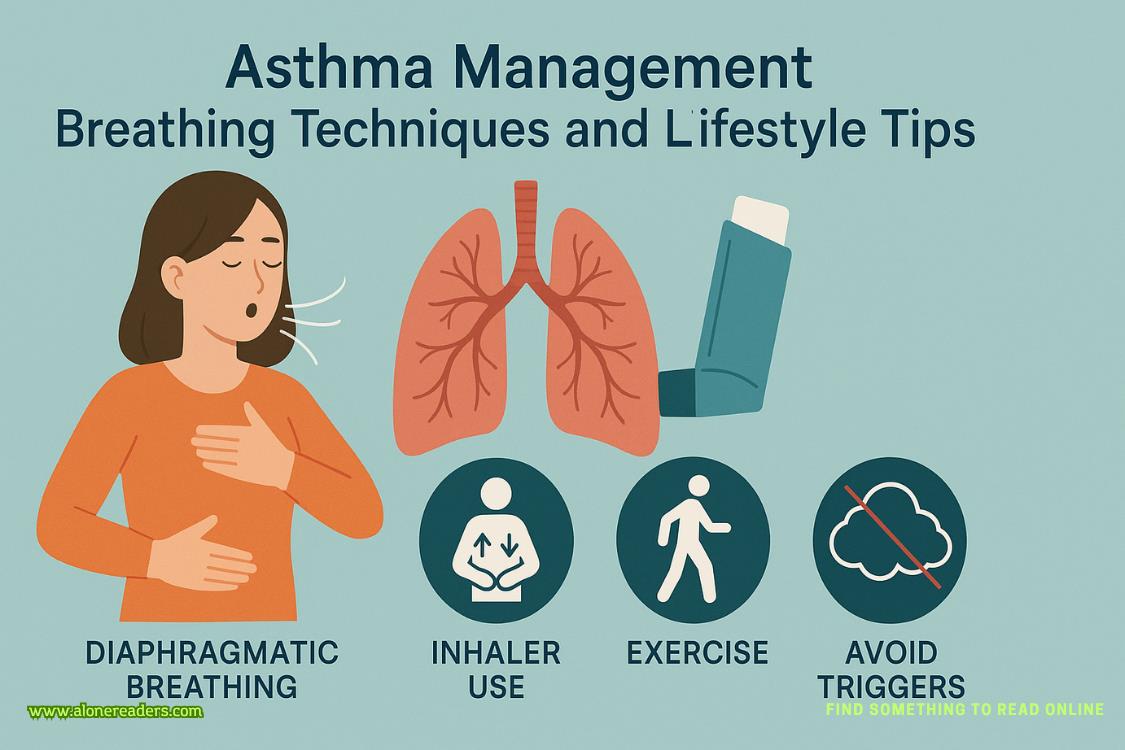
Asthma Management

Asthma is a chronic inflammatory disorder of the airways characterized by variable and recurring symptoms, reversible airflow obstruction, and bronchospasm. While medication remains the cornerstone of treatment, a growing body of research supports the importance of breathing techniques and lifestyle modifications in comprehensive asthma management. Understanding and integrating these non-pharmacological approaches can significantly enhance quality of life, minimize reliance on rescue medications, and empower individuals to take greater control over their respiratory health. This article delves deep into advanced breathing techniques, actionable lifestyle tips, and the science behind these interventions, offering a specialist’s perspective on living well with asthma.

Understanding the Physiology of Asthma and Why Breathing Matters

Asthma Pathophysiology
Asthma involves inflammation and hyperresponsiveness of the airways, leading to periodic constriction, increased mucus production, and obstruction. During an attack, airway muscles tighten, the lining swells, and breathing becomes difficult.

Role of Breathing Techniques
Poor breathing habits—such as shallow, rapid chest breathing—can exacerbate symptoms, lower CO2 tolerance, and increase anxiety, which in turn worsens asthma control. Breathing techniques aim to restore efficient diaphragmatic breathing, reduce hyperventilation, and optimize oxygen and carbon dioxide exchange.

Advanced Breathing Techniques for Asthma Management

1. Diaphragmatic (Belly) Breathing

  • What It Is: Diaphragmatic breathing engages the diaphragm, allowing the lungs to expand fully and promoting relaxation.
  • How to Do It:
    • Lie on your back with knees bent or sit comfortably.
    • Place one hand on your chest and the other on your abdomen.
    • Inhale slowly through your nose so your abdomen rises, while your chest remains still.
    • Exhale through pursed lips, tightening your abdominal muscles.
  • Why It Helps: Reduces work of breathing, lowers respiratory rate, and decreases anxiety, all critical for asthma control.

2. Buteyko Breathing Technique

  • What It Is: Developed by Dr. Konstantin Buteyko, this method focuses on reducing hyperventilation and increasing CO2 tolerance.
  • How to Do It:
    • Breathe in gently through the nose.
    • Breathe out slowly through the nose.
    • After exhaling, gently hold your breath for a few seconds before the next breath.
  • Why It Helps: Improves airway function by correcting chronic over-breathing, which can aggravate asthma symptoms.

3. Pursed-Lip Breathing

  • What It Is: A technique that helps keep airways open longer during exhalation.
  • How to Do It:
    • Inhale slowly through your nose for two counts.
    • Purse your lips as if about to whistle and exhale gently for four counts.
  • Why It Helps: Prevents airway collapse, helps clear trapped air, and increases the efficiency of each breath.

4. Papworth Method

  • What It Is: A structured breathing and relaxation program combining nose breathing, diaphragm use, and relaxation exercises.
  • How to Do It:
    • Focus on nose breathing, not mouth breathing.
    • Use the diaphragm for each breath.
    • Incorporate relaxation exercises, such as progressive muscle relaxation.
  • Why It Helps: Reduces symptoms such as cough and breathlessness, especially in patients with anxiety-related triggers.

5. Yoga-Based Pranayama

  • What It Is: Yogic breathing exercises, such as Anulom Vilom (alternate nostril breathing) and Bhramari (humming bee breath).
  • How to Do It:
    • For Anulom Vilom: Close one nostril, inhale through the other, switch, and exhale through the opposite side.
    • For Bhramari: Inhale deeply and exhale while making a humming sound.
  • Why It Helps: Pranayama has been shown to improve lung function, reduce airway inflammation, and lower stress, which can help prevent asthma exacerbations.

6. Breath Retraining with Biofeedback

  • What It Is: Using devices or apps to monitor breathing patterns, aiming for optimal respiratory rate and depth.
  • How to Do It:
    • Use a spirometer or biofeedback app to practice slow, deep breathing.
    • Track progress and adjust techniques based on feedback.
  • Why It Helps: Provides objective data, helping individuals gain control over dysfunctional breathing.

Lifestyle Modifications for Asthma Control

1. Identifying and Managing Triggers

  • Allergen Control: Use dust mite-proof covers, wash bedding in hot water weekly, and keep pets out of the bedroom if allergic.
  • Irritant Avoidance: Avoid tobacco smoke, strong perfumes, air pollution, and chemical cleaning agents.
  • Seasonal Awareness: Monitor pollen and mold counts; stay indoors or use HEPA filters during peak seasons.

2. Exercise and Physical Activity

  • Tailored Exercise: Choose moderate-intensity activities such as walking, swimming, or cycling. Warm up gradually and use a reliever inhaler if prescribed.
  • Asthma-Friendly Sports: Swimming (in non-chlorinated pools), yoga, and Pilates can improve lung capacity with lower risk of exercise-induced bronchospasm.
  • Physical Fitness: Regular activity improves baseline lung function and reduces airway inflammation over time.

3. Optimal Nutrition for Asthma

  • Anti-Inflammatory Diet: Increase intake of omega-3 fatty acids (fatty fish, flaxseed), antioxidants (berries, leafy greens), and vitamin D.
  • Weight Management: Maintain a healthy weight, as obesity can worsen asthma control and increase medication needs.
  • Hydration: Stay well hydrated to keep airway mucus thin and easier to clear.

4. Environmental Control at Home

  • Humidity Control: Keep indoor humidity below 50% to prevent dust mites and mold.
  • Air Purifiers: Use HEPA air purifiers, especially in bedrooms.
  • Cleanliness: Regularly vacuum carpets and drapes with HEPA filters; declutter to reduce dust accumulation.

5. Stress Management and Mental Health

  • Mindfulness & Relaxation: Practice meditation, guided imagery, or progressive muscle relaxation to reduce stress-induced asthma attacks.
  • Cognitive-Behavioral Therapy (CBT): For those with anxiety or panic related to asthma, CBT can help break the cycle of breathlessness and anxiety.
  • Support Networks: Join asthma support groups or engage in therapy to share experiences and reduce isolation.

Personal Asthma Action Plan

Importance of a Personalized Plan
Work with your healthcare provider to develop an asthma action plan tailored to your specific triggers, medication regimen, and symptom severity.

What to Include:

  • Daily management: Routine controller medication, breathing exercises, lifestyle practices.
  • Recognizing warning signs: Monitoring peak flow, noting symptom changes.
  • Emergency plan: Steps for worsening symptoms, when to use rescue inhalers, when to seek medical attention.

Incorporating Breathing Techniques and Lifestyle Tips Into Daily Life

Integrate Gradually:
Start by practicing breathing exercises during calm periods; increase to daily sessions, and use during early symptoms or anxiety.

Habit Stacking:
Pair breathing techniques with daily routines—morning stretches, bedtime relaxation, or during commute.

Track Progress:
Keep a journal of symptoms, triggers, and effectiveness of different strategies. Share findings with your doctor during check-ups.

Common Pitfalls and How to Avoid Them

  • Overreliance on Rescue Inhalers: Regular use of short-acting bronchodilators indicates poor control—focus on prevention and controller meds.
  • Inconsistent Practice: Sporadic breathing exercises are less effective than consistent daily practice.
  • Ignoring Triggers: Lifestyle tips are most effective when combined with vigilant trigger management.

Conclusion

Asthma management is a lifelong journey requiring more than just medication. Incorporating specific, evidence-based breathing techniques and targeted lifestyle modifications can dramatically improve day-to-day control, reduce the frequency and severity of attacks, and empower individuals to live fuller, more active lives. By understanding your body, staying proactive, and collaborating with healthcare providers, you can transform asthma from a limiting condition into a manageable part of your routine—breath by breath.