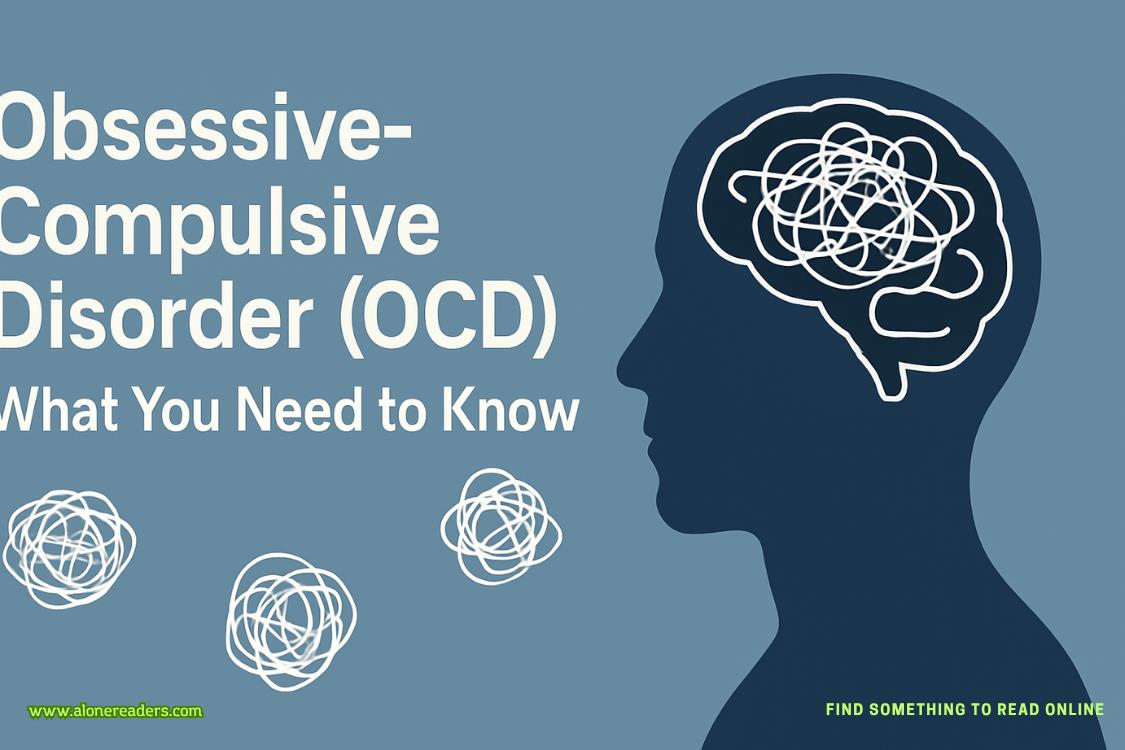
Obsessive-Compulsive Disorder (OCD) is a chronic, often debilitating mental health condition characterized by persistent, intrusive thoughts (obsessions) and repetitive behaviors or mental acts (compulsions). Unlike the common misconception that OCD is just about cleanliness or order, this disorder encompasses a vast range of symptoms and has a profound impact on daily functioning, relationships, and quality of life.
Definition and Types of Obsessions
Obsessions are unwanted, intrusive thoughts, images, or urges that cause significant anxiety or distress. These are not simply worries about real-life problems but often irrational or exaggerated fears that the person recognizes as their own, yet cannot suppress.
Common Themes of Obsessions
The Emotional Impact of Obsessions
Obsessions trigger intense anxiety, shame, or guilt. Many sufferers try to ignore or suppress these thoughts, but this often increases their intensity and frequency.
Definition and Examples of Compulsions
Compulsions are repetitive behaviors or mental acts performed to reduce the distress caused by obsessions or to prevent a feared event. These are often performed according to rigid rules.
Common Compulsions Include:
How Compulsions Reinforce OCD
The relief gained from compulsions is temporary. The cycle of obsession and compulsion becomes self-perpetuating, often taking up hours each day and significantly interfering with normal life.
Genetic Contributions
OCD runs in families, with first-degree relatives of sufferers having a higher risk. Twin studies suggest a substantial genetic component, though no single "OCD gene" has been identified.
Neurobiological Factors
Imaging studies have shown abnormalities in certain brain circuits, particularly those involving the orbitofrontal cortex, anterior cingulate cortex, and striatum. Imbalances in neurotransmitters like serotonin, glutamate, and dopamine are implicated.
Environmental Triggers
While genetics provide vulnerability, environmental factors such as childhood trauma, chronic stress, infections (such as PANDAS in children following streptococcal infections), and significant life changes can trigger or worsen OCD.
Cognitive and Behavioral Factors
Individuals with OCD often overestimate threats, have perfectionistic tendencies, or believe that simply thinking about a negative event makes it more likely to occur (“thought-action fusion”).
Clinical Assessment
Diagnosis is primarily clinical, based on a detailed psychiatric interview. Key features include the presence of obsessions and/or compulsions that are time-consuming (typically more than one hour per day) or cause significant distress or impairment.
Differential Diagnosis
OCD must be distinguished from other conditions, such as:
Assessment Tools
Clinicians may use standardized scales like the Yale-Brown Obsessive Compulsive Scale (Y-BOCS) to assess symptom severity and monitor treatment response.
Primary OCD Subtypes
Insight Specifier
Some individuals have good insight into the irrationality of their symptoms, while others may have poor or absent insight, which can affect prognosis and treatment.
Cognitive Behavioral Therapy (CBT) and Exposure and Response Prevention (ERP)
The gold-standard psychological treatment for OCD is a form of CBT called Exposure and Response Prevention. This involves gradual exposure to feared thoughts or situations and preventing the accompanying compulsive response. Over time, this reduces anxiety and breaks the cycle of reinforcement.
Medications
Selective serotonin reuptake inhibitors (SSRIs) are the first-line pharmacological treatment. Common SSRIs used include fluoxetine, sertraline, and fluvoxamine. In some cases, higher doses are needed compared to those used for depression.
Advanced and Emerging Treatments
Impact on Functioning
OCD can severely disrupt work, relationships, and self-care. Many people with OCD go to great lengths to hide their symptoms, leading to shame, isolation, or even co-occurring depression.
Self-Help and Coping Tools
When and How to Seek Help
Early intervention is key. Anyone experiencing persistent obsessions or compulsions that interfere with life should consult a mental health professional. Family and friends can play a supportive role by encouraging treatment and avoiding participation in rituals.
OCD often begins in childhood or adolescence. Symptoms may present differently in children, with more magical thinking or ritualized behaviors. Early identification and family-based interventions are critical to prevent worsening and long-term disability.
Despite greater awareness, OCD remains misunderstood. Myths such as “everyone is a little OCD” or equating the disorder solely with neatness trivialize the real suffering involved. Recognizing the seriousness and complexity of OCD is essential for better empathy and advocacy.
OCD is usually a chronic condition, but with effective treatment, many individuals experience substantial improvement. Relapses can occur, especially during periods of stress, but maintenance therapy and ongoing support make a significant difference.
Obsessive-Compulsive Disorder is a multifaceted, deeply impactful mental health condition rooted in neurobiology, genetics, and complex cognitive processes. Far from being a simple quirk or personality trait, OCD involves a constant battle against intrusive, distressing thoughts and the urge to perform time-consuming rituals. Understanding its mechanisms, subtypes, and advanced treatment options is crucial for effective management and recovery. Early recognition, evidence-based therapies, and supportive networks empower individuals with OCD to reclaim their lives, break free from the grip of obsessions and compulsions, and find hope for the future.



 The Power of Positive Thinking: How to Cultivate Optimism for Lasting Success
 Mindfulness Practices to Enhance Mental Health: Science-Backed Techniques for Emotional Resilience
 Pavlova Christmas Tree – A Light, Festive & Stunning Holiday Dessert
 Sticky Glazed Christmas Chicken – A Sweet and Savory Delight for the Holiday Table
 Gingerbread Biscuits and Cakes – A Complete Festive Recipe Guide
 Beef Wellington – A Masterpiece Main Dish for Special Occasions