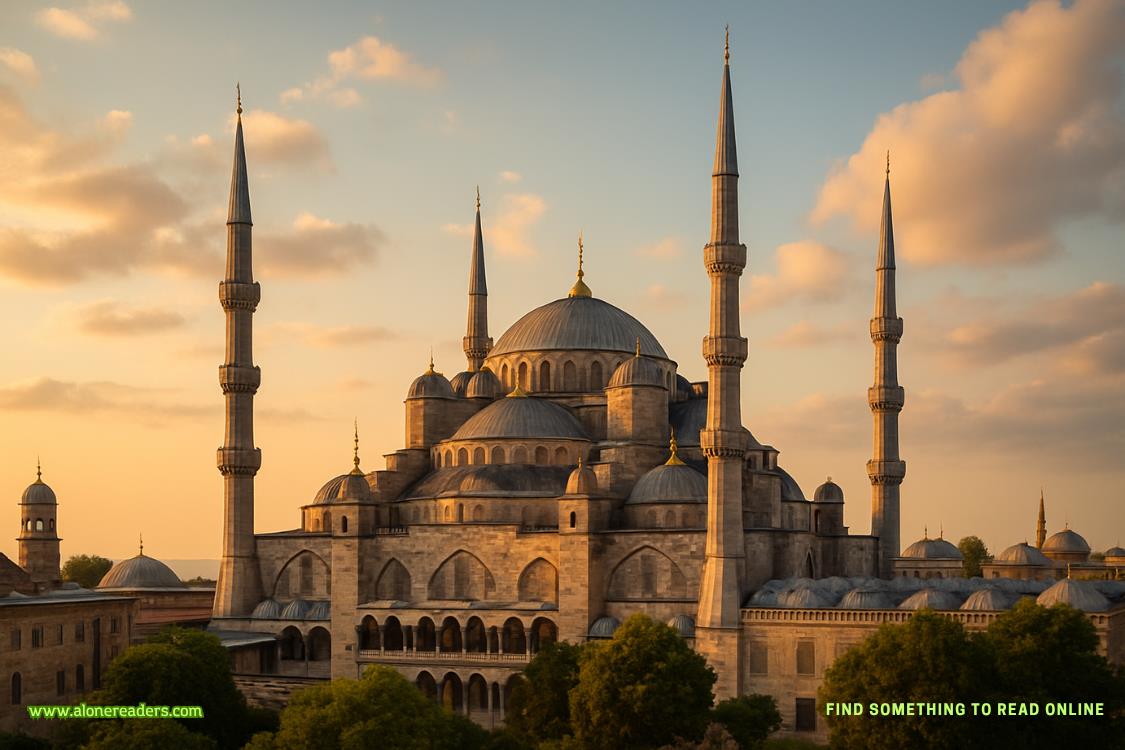
The Ottoman Empire stands as one of the most remarkable and enduring empires in world history, known not only for its vast territorial reach but also for the extraordinary confluence of cultures it fostered. Spanning over six centuries, from the late 13th century until the early 20th century, the empire extended across three continents—Europe, Asia, and Africa—creating a melting pot of peoples, religions, languages, and traditions. This dynamic cultural fusion was central to the empire's identity and legacy, influencing art, architecture, law, cuisine, and social customs in ways that still resonate today.
At its height, the Ottoman Empire controlled key trade routes connecting East and West, including parts of the Balkans, the Middle East, North Africa, and Anatolia. This geographic expanse meant that it ruled over diverse populations—Turks, Arabs, Greeks, Armenians, Kurds, Jews, Slavs, and many others—each bringing their unique customs and beliefs. The Ottoman rulers, particularly the sultans, recognized the value of this diversity and employed a system that allowed considerable religious and cultural autonomy within their millet system. This administrative approach permitted various religious communities, such as Orthodox Christians, Jews, and Armenians, to govern themselves under their own laws while paying taxes to the empire. Such tolerance was instrumental in maintaining stability across a vast and diverse realm.
One of the most vivid testaments to the empire’s cultural synthesis is its architectural heritage. The Ottomans adopted and adapted styles from the Byzantine Empire, which they famously conquered with the fall of Constantinople in 1453, as well as Persian and Islamic influences from the Middle East. The monumental mosques designed by architects like Mimar Sinan combined traditional Islamic motifs with Byzantine engineering brilliance. Structures such as the Suleymaniye Mosque in Istanbul are symbolic of this cultural fusion, blending grandeur and spiritual symbolism with practical urban planning.
The Ottoman Empire was also a cradle for artistic and literary development, where poetry, calligraphy, music, and ceramics flourished. Court patronage encouraged a unique style of Ottoman classical music and art that integrated elements from Persian, Arab, and Turkish traditions. Calligraphy, in particular, became a revered art form due to the Islamic prohibition of figural representation in religious contexts. This resulted in elaborate scripts used to decorate religious texts, official documents, and architectural spaces.
Culinary traditions within the Ottoman Empire further illustrate the blending of cultures. The cuisine, which evolved over centuries, incorporated ingredients and techniques from the many peoples under Ottoman rule. Dishes such as baklava, pilaf, kebabs, and börek showcase influences from Central Asia, the Middle East, the Mediterranean, and the Balkans. These dishes are not only staples in modern Turkish cuisine but have also become beloved across the regions once ruled by the Ottomans.
Religiously, the empire was primarily Islamic but was marked by its pluralistic nature. The Ottoman sultans held the title of Caliph, positioning themselves as leaders of the Muslim world, yet they administered a multi-faith empire with substantial Christian and Jewish populations. The millet system facilitated coexistence and helped reduce sectarian tensions by granting communities the freedom to maintain their religious traditions and legal systems. This form of pragmatic governance was relatively progressive for its time and allowed the empire to manage a vast array of cultures with minimal conflict for long periods.
Trade and diplomacy were additional arenas where the Ottoman Empire’s cultural confluence became evident. Positioned strategically between Europe and Asia, the empire was a crucial player in global commerce. It connected the Silk Road with Mediterranean ports and acted as a bridge for goods, ideas, and technologies traveling between East and West. European merchants and diplomats frequented Ottoman cities, bringing their customs and innovations, which in turn influenced Ottoman society. Conversely, Ottoman innovations in administration, military organization, and architecture caught the attention of European powers.
Despite its remarkable achievements, the empire faced numerous challenges, particularly during its decline in the 18th and 19th centuries. Nationalist movements among subject peoples, external pressures from European powers, and internal administrative inefficiencies contributed to its eventual dissolution after World War I. Nonetheless, the Ottoman Empire’s cultural legacy continues to shape the modern nations that once comprised its territory. Countries like Turkey, Greece, the Balkans, and parts of the Middle East still bear architectural, culinary, linguistic, and social influences from the Ottoman period.
Exploring the Ottoman Empire reveals a fascinating story of how diverse cultures can coexist and enrich one another under a single political entity. Its legacy is a powerful reminder of the importance of tolerance, adaptability, and cultural exchange in human history. For scholars, travelers, and history enthusiasts alike, the empire offers a treasure trove of insights into how civilizations evolve through interaction and integration across vast geographic and cultural landscapes.



 The Hundred Days Offensive: How the Allies Defeated Germany in World War I
 The Second Battle of the Marne: The Turning Point of World War I in 1918
 The Spring Offensive of 1918: Germany's Final Gamble to Win World War I
 The Treaty of Brest-Litovsk: How Russia Left World War I
 The Russian Revolution and World War I: How War Brought Down the Tsar
 The Zimmermann Telegram Explained: Germany's Secret Offer to Mexico in World War I