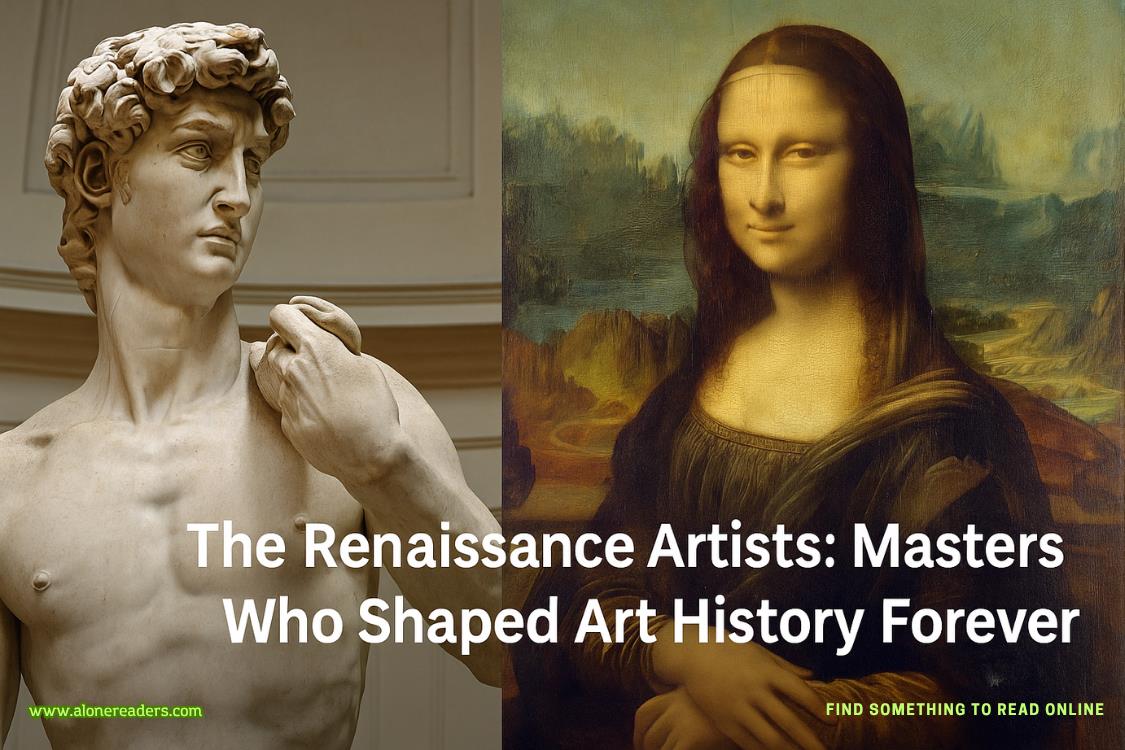
The Renaissance period, spanning roughly from the 14th to the 17th century, marked a profound transformation in the world of art. It was a time when artists broke away from medieval conventions and embraced humanism, scientific observation, and classical ideals. This artistic revolution gave birth to some of the most iconic figures whose works have shaped art history and continue to inspire generations. The Renaissance artists were not only painters but also sculptors, architects, and inventors, blending creativity with meticulous technique and profound philosophical insights.
Among these masters, Leonardo da Vinci stands as the quintessential Renaissance man. Born in 1452 in Vinci, Italy, Leonardo’s genius was not confined to art alone; he was also a scientist, engineer, and anatomist. His artworks, such as the enigmatic Mona Lisa and the dramatic The Last Supper, display an extraordinary mastery of light, perspective, and human anatomy. Leonardo’s keen observation of nature and his innovative techniques like sfumato—a method of blending colors and tones—redefined artistic expression and elevated painting to new heights. His notebooks reveal a mind constantly experimenting and pushing boundaries, making him a towering figure in Renaissance art.
Michelangelo Buonarroti, born in 1475, was another pivotal figure whose work transcended mere aesthetics to embody spiritual and humanistic ideals. Primarily known for his sculptures such as David and the Pietà, Michelangelo’s sculptures radiate a lifelike intensity and emotional depth rarely seen before. His ability to carve marble into figures of sublime beauty and strength symbolized the Renaissance celebration of human potential. Beyond sculpture, Michelangelo’s frescoes on the ceiling of the Sistine Chapel, painted between 1508 and 1512, stand as one of the crowning achievements of Renaissance art. The scenes he depicted blend biblical themes with intricate anatomical accuracy, reflecting both religious devotion and Renaissance humanism.
Raphael Sanzio, younger than Leonardo and Michelangelo, emerged as a master of balance and harmony in his compositions. Born in 1483, Raphael’s paintings, such as The School of Athens, epitomize the Renaissance ideals of symmetry, clarity, and beauty. His work combines classical architecture with vivid human emotion, bringing ancient philosophers and contemporary figures into a coherent, inspiring vision of knowledge and culture. Raphael was admired for his graceful figures and ability to capture both the spiritual and earthly qualities of his subjects, making his art accessible and deeply resonant.
These three giants were not alone. Other artists like Titian, Sandro Botticelli, and Albrecht Dürer made significant contributions. Titian, with his vibrant use of color and innovative brushwork, expanded the expressive potential of painting during the High Renaissance and beyond. Botticelli, famous for The Birth of Venus and Primavera, infused mythology and beauty into a new visual language that celebrated both the divine and the natural world. Dürer, a German master, brought Renaissance ideas northwards, combining detailed realism with symbolic depth and pioneering printmaking techniques that spread artistic knowledge widely.
The Renaissance was characterized by the rediscovery of classical Greco-Roman art and philosophy, which influenced these artists profoundly. They studied ancient sculptures and texts, seeking to revive the balance, proportion, and naturalism that had been lost during the Middle Ages. This return to classical ideals was paired with an increased emphasis on the individual and the natural world. Artists no longer painted only religious scenes for churches; they also celebrated secular themes, portraits, landscapes, and the human form in all its complexity.
Advancements in scientific knowledge and technology during the Renaissance also played a crucial role in shaping art. The development of linear perspective by Filippo Brunelleschi allowed artists to create the illusion of depth on flat surfaces, transforming two-dimensional paintings into believable three-dimensional spaces. The study of human anatomy, greatly advanced by artists dissecting cadavers, enabled painters and sculptors to depict the human body with unprecedented accuracy and vitality. This fusion of art and science set Renaissance works apart from their predecessors and laid the foundation for modern artistic techniques.
The Renaissance artists were often supported by wealthy patrons, including the powerful Medici family in Florence, the Papacy in Rome, and other European courts. These patrons commissioned works that not only demonstrated artistic excellence but also conveyed political power, religious devotion, and cultural prestige. This patronage system fostered a competitive environment that drove artists to innovate and excel, resulting in some of the most celebrated masterpieces of Western art.
Moreover, the Renaissance artists’ legacy extends beyond their artworks. They transformed the role of the artist from craftsman to creative genius and intellectual. This shift altered the status of art in society, establishing it as a vital cultural force that engages with philosophy, politics, and human experience. The artist became a figure of inspiration, creativity, and inquiry—an idea that still shapes the art world today.
In conclusion, the Renaissance artists were more than just painters and sculptors; they were visionary masters who reshaped art and culture. Through their innovation, technical skill, and deep engagement with humanist ideals, figures like Leonardo da Vinci, Michelangelo, and Raphael elevated art to new heights and laid the groundwork for the evolution of Western art history. Their works continue to captivate audiences, reminding us of the enduring power of creativity and the profound impact of art on human civilization. The Renaissance era stands as a testament to the limitless possibilities that emerge when imagination meets intellect and tradition blends with innovation.



 The Hundred Days Offensive: How the Allies Defeated Germany in World War I
 The Second Battle of the Marne: The Turning Point of World War I in 1918
 The Spring Offensive of 1918: Germany's Final Gamble to Win World War I
 The Treaty of Brest-Litovsk: How Russia Left World War I
 The Russian Revolution and World War I: How War Brought Down the Tsar
 The Zimmermann Telegram Explained: Germany's Secret Offer to Mexico in World War I










