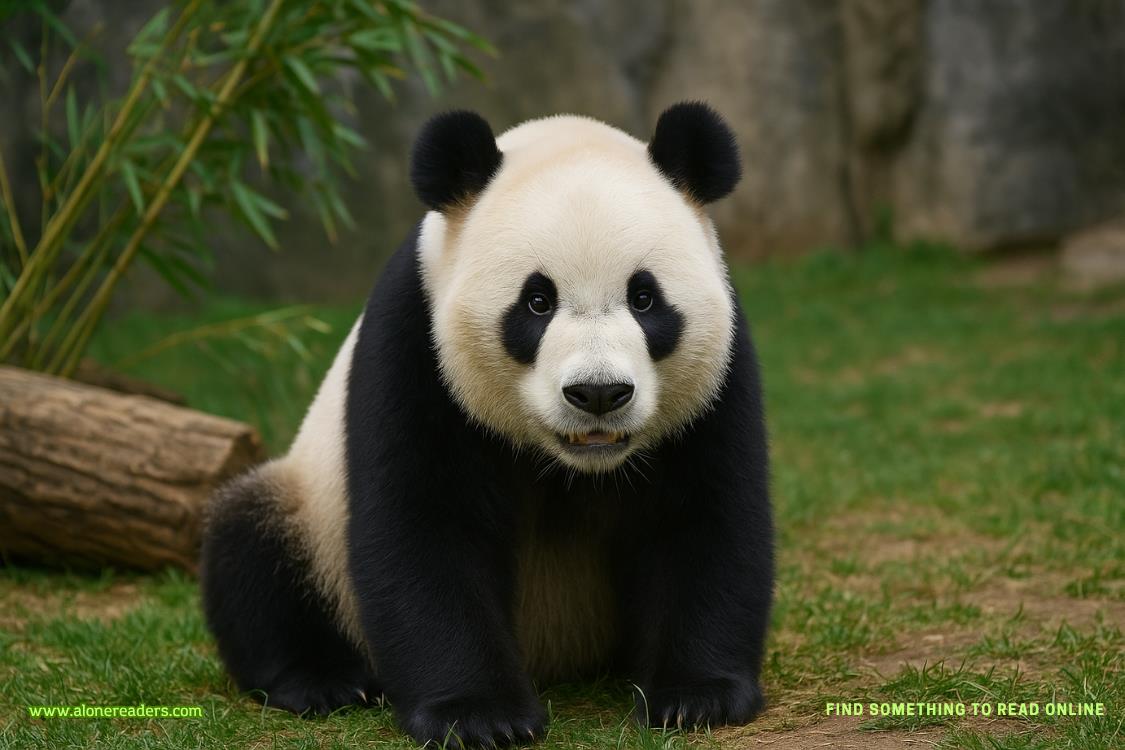
Giant pandas are among the most beloved animals in the world, drawing millions of visitors to zoos every year. Their distinct black-and-white appearance, gentle demeanor, and rarity in the wild have made them a symbol of both wildlife conservation and international goodwill. Yet, what many people do not realize is that every single giant panda seen in zoos outside China—including in the United States, Europe, and other countries—is not actually owned by the hosting zoo or country. Instead, all these pandas remain the legal property of China, regardless of where they reside, under a unique international arrangement that dates back several decades.
The story of giant pandas in foreign zoos begins with what is now known as "panda diplomacy," a practice that dates to the 1950s but gained particular prominence in the 1970s. Initially, China gifted pandas to friendly nations as symbols of goodwill. Notably, in 1972, following President Richard Nixon’s historic visit to China, the Chinese government gifted two giant pandas—Ling-Ling and Hsing-Hsing—to the United States as a gesture of renewed diplomatic relations. These gifts were met with massive public excitement and signified a new era in Sino-American cooperation. However, by the early 1980s, China shifted away from gifting pandas and instead began loaning them under strict agreements.
Under the current panda loan program, all pandas in foreign zoos are sent abroad under fixed-term leases, typically for ten years. The host institution, usually a zoo or wildlife park, pays China an annual fee for each panda. This fee generally amounts to approximately $1 million per year, a cost that covers not only the presence of the panda but also supports conservation efforts in China, including habitat preservation and research projects aimed at increasing the wild panda population. These arrangements make the giant panda not just a conservation icon but also one of the world’s most expensive zoo animals.
China’s policy of retaining ownership over every giant panda is deeply rooted in the animal’s symbolic and diplomatic value. The panda is a national treasure and a flagship species for Chinese conservation. By maintaining ownership, China ensures it has complete control over the welfare, breeding, and movement of each animal, as well as the opportunity to recall pandas or renegotiate terms based on diplomatic relations. This is not merely a bureaucratic detail—zoos are required to send detailed reports on panda health, care, and breeding attempts to Chinese authorities. In fact, every panda cub born in captivity abroad is also considered property of China and must typically be sent back to China within a few years, where they may become part of breeding programs or live in specialized panda reserves.
The financial aspect of the panda loan program is significant. The lease fee, usually set at around $1 million per year, is paid by the zoo or sometimes in partnership with nonprofit organizations and sponsors. This fee is generally justified by the enormous popularity of pandas, as their presence in a zoo almost always results in a surge of visitors, increased membership sales, and enhanced fundraising opportunities. However, the costs associated with housing pandas go far beyond the lease. Pandas require specialized enclosures, a highly specific diet consisting mainly of bamboo, and veterinary teams with expertise in panda care. The total annual cost to a zoo for hosting a pair of pandas—including food, healthcare, staffing, and lease—can reach several million dollars, making it a major investment.
Despite these costs, zoos in the United States, such as the Smithsonian National Zoo in Washington, D.C., Zoo Atlanta, and the San Diego Zoo, have maintained panda programs for years, often extending loan agreements due to the immense public appeal. These arrangements often include joint research programs between the host institution and Chinese counterparts, with a focus on breeding, veterinary care, and the overall understanding of panda biology. Successful births of panda cubs abroad are widely celebrated events and represent major milestones for international conservation efforts. However, as per the loan agreement, cubs born outside China remain the property of China and are usually repatriated when they are two to four years old.
China’s policy has sometimes resulted in high-profile panda departures when lease agreements are not renewed, often reflecting broader diplomatic trends. For example, when the United States or another country’s relationship with China is strained, the future of the pandas in their zoos may be in jeopardy. In recent years, a number of pandas have returned to China from various zoos as agreements expired, sparking sadness among the public and raising questions about the future of international panda programs.
From China’s perspective, the loan program serves multiple purposes. It strengthens diplomatic relationships by tying a valuable and adored species to successful international partnerships, encourages joint research and conservation projects, and generates funds for panda conservation efforts at home. The proceeds from panda leases are supposed to support habitat restoration, anti-poaching initiatives, and scientific research, all of which contribute to the ongoing survival of the species in the wild. Since giant pandas remain one of the most endangered large mammals—although their status was downgraded from "endangered" to "vulnerable" by the International Union for Conservation of Nature (IUCN) in 2016—these funds are crucial for maintaining the progress that has been made in recent decades.
For zoos and their visitors, hosting giant pandas is both a privilege and a challenge. Pandas serve as powerful ambassadors for wildlife conservation, raising awareness about endangered species and the need for habitat protection. Their presence can inspire millions to support not only panda-related initiatives but broader efforts to protect biodiversity worldwide. At the same time, the enormous financial and logistical commitment required to care for pandas means that only a select few zoos can afford to participate in China’s loan program. The competitive nature of these arrangements means that securing a panda lease can be seen as a mark of international prestige and conservation credibility.
There are also ethical considerations involved in the global movement and exhibition of pandas. Some critics argue that the high costs of hosting pandas could be better spent on the conservation of local or less charismatic species that are also at risk. Others raise questions about the stress and adaptation challenges faced by pandas relocated far from their natural habitat. Nevertheless, careful zoo management, close monitoring, and collaboration with Chinese experts help mitigate many of these concerns, and the overall success of panda breeding in captivity has been an important achievement for conservation biology.
In recent years, there have been shifts in how some countries and zoos approach panda loans. The terms of agreements may be adjusted, and the public is increasingly aware of the diplomatic and financial strings attached to these beloved animals. Yet, the core fact remains unchanged: every giant panda in a zoo outside China is there because of a carefully negotiated lease, not a transfer of ownership. China retains the right to recall its national treasures and is deeply involved in all aspects of their care and conservation.
Ultimately, the story of pandas in zoos is about much more than animal exhibits. It is a reflection of global diplomacy, conservation priorities, and the powerful symbolism of one of the world’s most recognized and cherished animals. For now and the foreseeable future, whenever a zoo-goer watches a giant panda munching bamboo in a zoo outside China, they are witnessing a living symbol of international cooperation, delicate diplomacy, and a multi-million-dollar global arrangement that continues to shape the fate of this remarkable species.



 Château de Vincennes: France’s Forgotten Royal Fortress and Medieval Stronghold
 Château de Carcassonne: Europe’s Greatest Medieval Citadel and Fortress
 Château de Chenonceau: The Castle Built by Remarkable Women
 Château de Chambord: France’s Magnificent Renaissance Castle and Architectural Wonder
 Tehri Dam: India's Tallest Dam and the Debate Behind It
 Bhakra Nangal Dam: India's Temple of Modern Development










