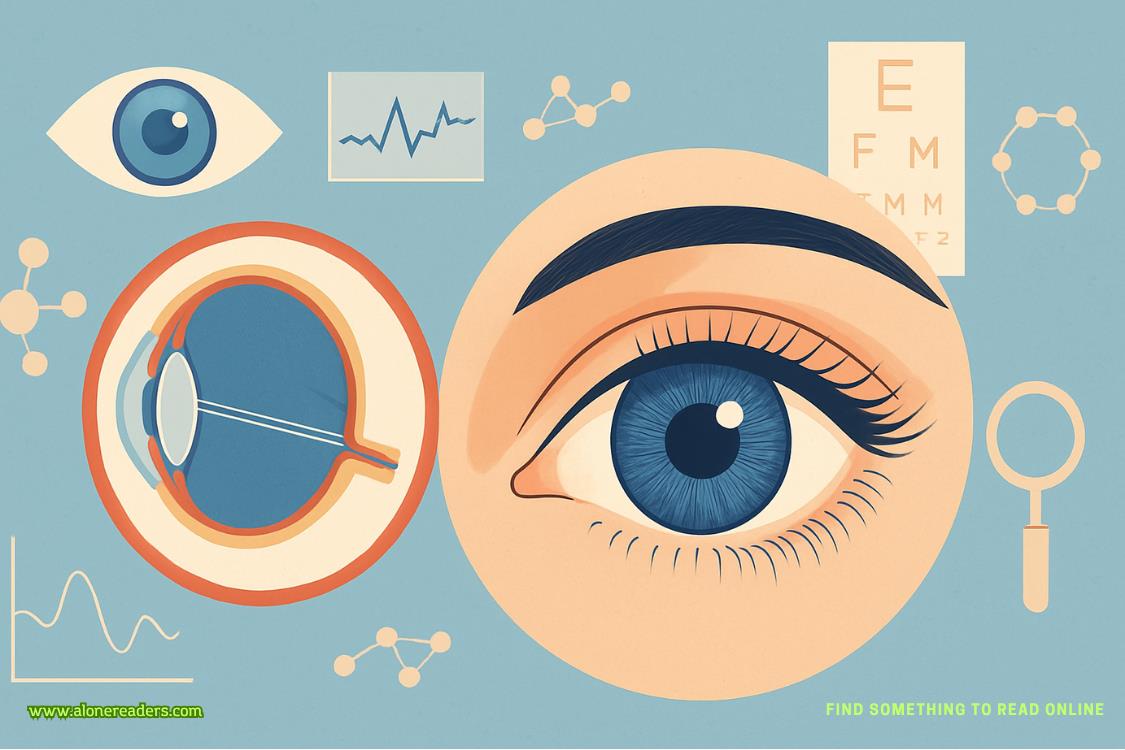
The human eye is one of the most remarkable organs in the body, capable of feats that often go unnoticed in daily life. Its complexity, adaptability, and resilience have fascinated scientists and laypeople alike for centuries. From perceiving millions of colors to automatically adjusting focus, the eye is a prime example of nature’s engineering. To truly appreciate this small but mighty organ, it is essential to explore its structure, function, and the fascinating facts that make it unique among our senses.
At the most basic level, the human eye works much like a high-tech camera. Light enters the eye through the cornea, the clear, dome-shaped surface that provides most of the eye's focusing power. This light then passes through the pupil, the adjustable opening in the center of the iris, which controls how much light enters the eye. The iris, the colored part of the eye, expands and contracts to adjust the pupil's size depending on the light conditions, much like a camera aperture. Behind the pupil, the lens further fine-tunes the focus, projecting an image onto the retina at the back of the eye. The retina is lined with millions of photoreceptor cells, rods, and cones that convert light into electrical signals, which the brain then interprets as vision.
One of the most amazing aspects of the human eye is its ability to distinguish an astonishing array of colors. The average human can differentiate around one million different shades, thanks to the cones in the retina that are sensitive to red, green, and blue light. Some people, particularly women, may possess an extra type of cone, allowing them to perceive even more subtle variations in color—a phenomenon known as tetrachromacy. This natural ability to detect such a broad spectrum of hues plays a critical role in how we experience the world, from enjoying the beauty of a sunset to recognizing the ripeness of fruit.
Another fascinating fact is the sheer speed at which the human eye can operate. The eye can focus on 50 different objects every second, and the muscles controlling the eyes are among the fastest in the body. Each eye contains about six muscles that work together seamlessly, allowing us to move our eyes in different directions and track moving objects. In fact, eye muscles are so efficient that they can contract in less than one-hundredth of a second. This rapid movement is vital for survival, enabling us to react quickly to threats or changes in our environment.
The eyes are also remarkably sensitive to light. The human eye can detect a single photon, the smallest unit of light, under optimal conditions. This sensitivity allows us to see in extremely dim environments, although not in total darkness. The adjustment between light and darkness is called adaptation. When you move from a brightly lit area to a dark room, your pupils dilate to let in more light, and your eyes gradually adjust to the darkness—a process that can take up to 30 minutes for full night vision. The retina's rods are primarily responsible for this adaptation, as they are more sensitive to low light levels than cones.
Each eye also possesses a “blind spot” where the optic nerve exits the retina, creating a small area devoid of photoreceptors. Normally, we are unaware of this gap in our vision because our brains automatically fill in the missing information using visual cues from the surrounding environment and the other eye. This remarkable brain function ensures seamless, uninterrupted sight even though our eyes themselves are not perfect.
The eye’s ability to self-maintain and protect itself is another marvel. Eyelashes and eyebrows serve as barriers to dust, sweat, and foreign particles. The eyelids help spread tears, which are essential for cleaning and moisturizing the eye, across the surface each time we blink—about 15-20 times per minute on average. Tears are not just saline; they contain a unique blend of enzymes, antibodies, and oils that protect against infection and provide nutrients to the cornea. The process of blinking itself is controlled both voluntarily and involuntarily, meaning we can choose to blink or do so without thinking, which is crucial for the ongoing health and function of our eyes.
The human eye is not only a window to the world but also a mirror reflecting our emotions and health. Pupils can dilate or constrict in response to emotional states such as excitement, fear, or attraction. Additionally, many health conditions first manifest in the eyes. Diseases such as diabetes, hypertension, and some autoimmune disorders can be detected through routine eye exams, often before other symptoms appear. The eyes are also vulnerable to a range of specific conditions, including cataracts, glaucoma, macular degeneration, and dry eye syndrome, highlighting the importance of regular eye care.
When it comes to development, a baby’s eyes are about 75% the size of an adult’s at birth. Newborns can see only in black, white, and shades of gray for the first few months. As they grow, their color vision develops and their eyes learn to work together, enabling depth perception and improved focus. By the time children reach school age, their eyes are typically fully developed. Interestingly, the eye is the only organ that does not grow significantly in size after birth, which is why adults and children sometimes appear to have proportionally different eye sizes.
Eye color is another topic surrounded by intrigue. The color of our eyes is determined by the amount and distribution of melanin in the iris. Brown eyes are the most common worldwide, while blue and green eyes are much rarer. Eye color can change during infancy and sometimes even later in life due to injury, disease, or certain medications. Heterochromia, a condition where each eye is a different color or one eye contains multiple colors, is rare but naturally occurring and is often considered strikingly beautiful.
Stereoscopic vision, or depth perception, is another marvel. Because our eyes are spaced slightly apart, each receives a slightly different image. The brain merges these images, creating a single three-dimensional view that allows us to judge distances and perceive depth—an ability that is essential for everyday activities like driving, catching a ball, or simply walking without tripping.
The eye’s regenerative powers, though limited compared to some animals, are still impressive. The cornea is one of the few tissues in the human body that can regenerate itself quickly, healing minor abrasions within a couple of days. However, serious injuries or diseases affecting the retina or optic nerve can lead to permanent vision loss, underscoring the need for eye protection in hazardous environments and the importance of advancements in medical science for treating eye diseases.
Culturally and historically, the eye has held significant symbolism across civilizations. It is often associated with wisdom, protection, and the soul. Ancient Egyptians revered the Eye of Horus as a symbol of health and restoration, while in modern times, the phrase “the eyes are the window to the soul” continues to resonate, reflecting the unique ability of our gaze to communicate feelings and intentions that words sometimes cannot.
Despite all we know, the human eye still holds mysteries. Research continues into how the eye communicates with the brain, how visual perception can be influenced by psychology, and how new treatments might one day restore or enhance sight. The rapid progress in technologies like bionic eyes, gene therapy, and retinal implants gives hope to millions who struggle with vision impairment, hinting at a future where even more of the eye’s wonders will be revealed and harnessed.
In essence, the human eye is a true marvel—a blend of biology, physics, chemistry, and art, enabling us to navigate, interpret, and appreciate the world. Its fascinating structure and function are testament to the intricate beauty of nature and the critical importance of caring for our vision throughout life.



 Château de Vincennes: France’s Forgotten Royal Fortress and Medieval Stronghold
 Château de Carcassonne: Europe’s Greatest Medieval Citadel and Fortress
 Château de Chenonceau: The Castle Built by Remarkable Women
 Château de Chambord: France’s Magnificent Renaissance Castle and Architectural Wonder
 Tehri Dam: India's Tallest Dam and the Debate Behind It
 Bhakra Nangal Dam: India's Temple of Modern Development










