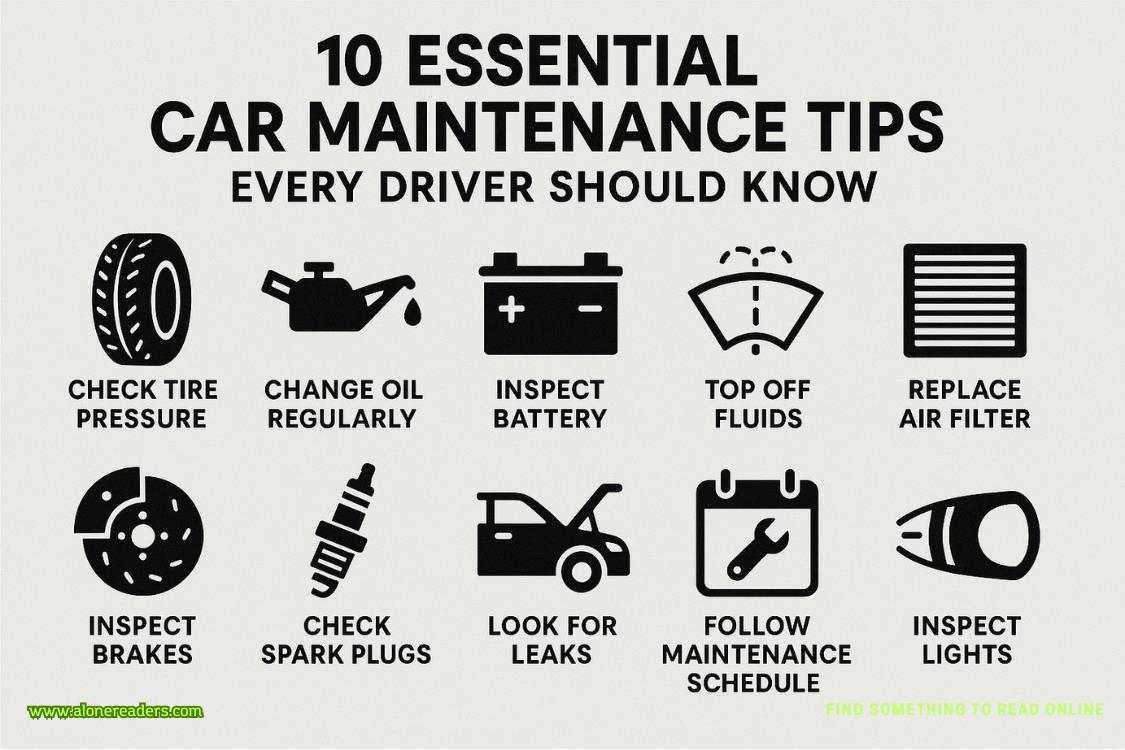
Owning a car is more than just driving from point A to point B—it’s a responsibility. The difference between a vehicle that lasts a decade and one that breaks down prematurely often comes down to proper, consistent maintenance. Below are 10 highly specific, professional-grade maintenance tips every driver should know to ensure their car remains safe, efficient, and dependable.
Why it matters: Engine oil lubricates moving parts, reduces friction, and helps regulate temperature. Over time, oil breaks down and loses its protective qualities, leading to increased wear.
Specialist tip:
Why it matters: Incorrect tire pressure reduces fuel efficiency, increases stopping distance, and wears tires unevenly.
Specialist tip:
Why it matters: Brakes are a critical safety system; worn pads or faulty rotors can compromise stopping ability.
Specialist tip:
Why it matters: A clogged engine air filter reduces fuel efficiency and engine performance, while a dirty cabin filter affects air quality inside the car.
Specialist tip:
Why it matters: Car batteries typically last 3–5 years, but extreme temperatures, frequent short trips, and poor charging can shorten lifespan.
Specialist tip:
Why it matters: Cars rely on multiple fluids—transmission, coolant, power steering, brake fluid, and windshield washer fluid—to function properly.
Specialist tip:
Why it matters: Worn belts can snap without warning, and cracked hoses can leak coolant or other vital fluids, leading to breakdowns.
Specialist tip:
Why it matters: Dirt, road salt, and grime can corrode metal components, especially in areas with harsh winters or coastal air.
Specialist tip:
Why it matters: Poor visibility in rain or snow is a serious hazard. Worn wipers smear water instead of clearing it.
Specialist tip:
Why it matters: Seasonal changes affect tire performance, battery life, and fluid viscosity.
Specialist tip:
Car maintenance isn’t just about preventing breakdowns—it’s about preserving your investment, ensuring safety, and maintaining peak performance. By following these 10 detailed, specialist-approved tips, you can extend your vehicle’s life, avoid expensive repairs, and enjoy a smoother, safer driving experience every day.



 Top 10 Affordable Electric Cars for 2026: Best Budget EVs Worldwide
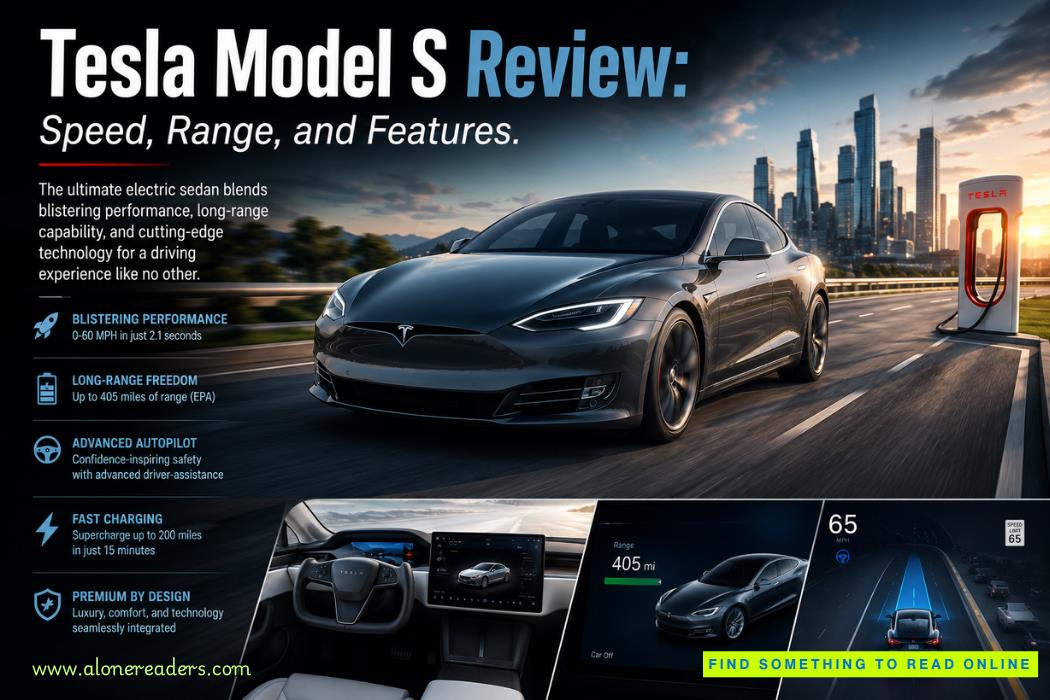 Tesla Model S Review: Speed, Range, and Features in 2026
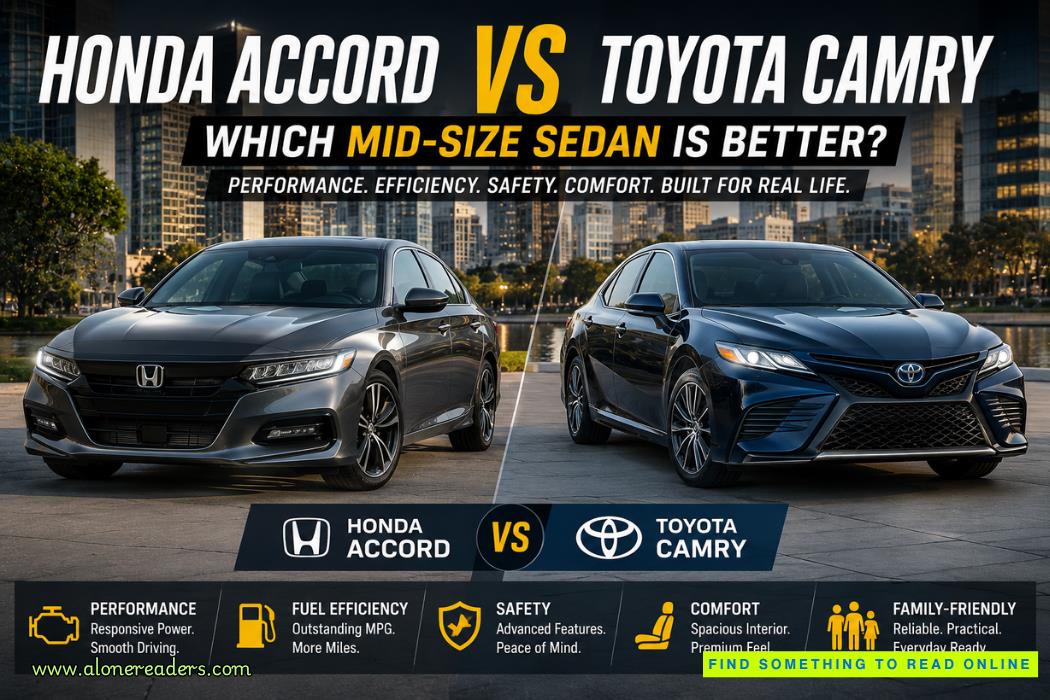 Honda Accord vs Toyota Camry: Which Mid-Size Sedan Is Better?
 Chevrolet Silverado vs GMC Sierra: Which Truck Wins?
 2026 Jeep Wrangler Review: Off-Road Capabilities Tested in Extreme Terrain
 2026 Nissan Altima Review: Tech, Comfort, and Safety – In-Depth Expert Analysis