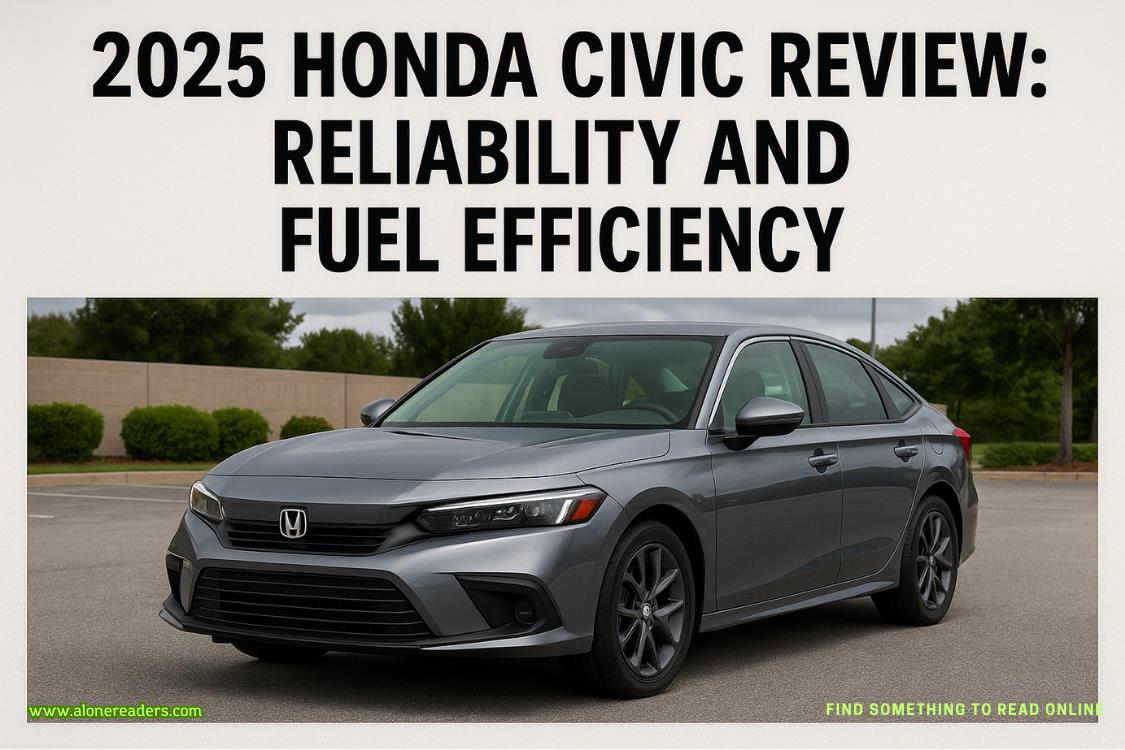
The 2025 Honda Civic continues its decades-long tradition of being a compact car buyers can rely on for the long term. This year’s updates sharpen both its mechanical dependability and fuel efficiency, with the hybrid models standing out as a clear leader for daily commuters. Let’s break down exactly what the numbers mean for real-world ownership.
Gasoline Models
The 2.0-liter naturally aspirated four-cylinder remains the backbone for the LX and Sport trims. Producing around 150 horsepower, it’s paired with a continuously variable transmission (CVT) tuned for smooth, low-stress driving. Its simplicity translates into fewer potential failure points, which helps long-term reliability.
Hybrid Models
The Sport Hybrid and Sport Touring Hybrid use a 2.0-liter Atkinson-cycle engine paired with dual electric motors, generating roughly 200 horsepower. Unlike traditional hybrids, Honda’s e-CVT setup allows for near-instant torque delivery, smooth acceleration, and the ability to operate in EV-only mode at low speeds. This configuration significantly boosts efficiency while maintaining Honda’s track record for durable engineering.
EPA Estimates
Real-World Driving
Hybrid Civics consistently return high-40s to low-50s mpg in mixed driving, with the highest numbers in stop-and-go traffic where the electric motors dominate. Gas-only models typically match or slightly exceed their combined rating on highway trips, though heavy urban use brings the average down.
Why Hybrids Excel in the City
The hybrid system harvests braking energy and minimizes engine engagement at low speeds, which keeps fuel consumption low. Conversely, at sustained highway speeds, the gas engine is engaged more often, narrowing the efficiency gap with non-hybrid models.
Mechanical Simplicity in Gas Models
The 2.0L engine and CVT combination is largely carryover from previous Civics, which have proven to run reliably past 150,000 miles with basic maintenance. The lack of turbocharging means fewer heat-related stresses and no intercooler or high-boost plumbing to worry about.
Hybrid Component Durability
Honda’s hybrid system has been in service for years in the Accord Hybrid and CR-V Hybrid with a strong reliability record. Battery packs are liquid-cooled for consistent performance, and most owners should expect 8–10 years of life from the pack before any capacity decline becomes noticeable.
Warranty Coverage
Honda backs the Civic with a 3-year/36,000-mile basic warranty and a 5-year/60,000-mile powertrain warranty. Hybrid components, including the battery, are covered for up to 8 years/100,000 miles in most regions, adding a layer of reassurance.
Scheduled Maintenance
Repair Costs
Civic parts are widely available and relatively affordable. Even hybrid components, while more specialized, have become mainstream enough that service costs are not prohibitive at independent shops.
Resale Value
Civics historically retain higher-than-average resale value. In particular, hybrids are expected to command stronger used prices given rising fuel costs and buyer interest in high-MPG vehicles.
The gas Civic is tuned for predictable, linear acceleration, ideal for drivers who prioritize smoothness over outright speed. The hybrid, however, adds noticeable torque at low speeds, making it feel quicker around town while still sipping fuel. Highway stability, steering precision, and cabin quietness are all improved over earlier generations, helping the Civic feel closer to a midsize car in refinement.
The 2025 Honda Civic delivers exactly what its reputation promises—reliability you can trust and fuel efficiency that stands among the best in its class. The gas models maintain low-cost ownership and mechanical simplicity, while the hybrids add impressive MPG and responsive performance for only a modest price increase. Whether you’re after bulletproof daily transport or the most efficient compact car on the market, the Civic’s blend of dependability and economy keeps it at the top of the shortlist.



 Top 10 Affordable Electric Cars for 2026: Best Budget EVs Worldwide
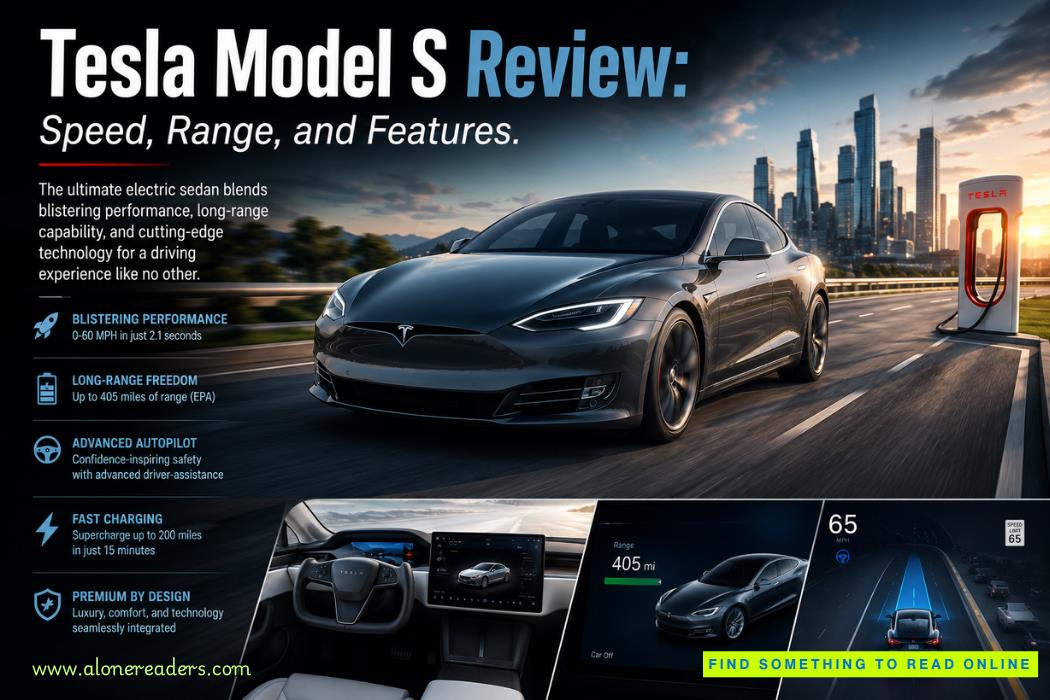 Tesla Model S Review: Speed, Range, and Features in 2026
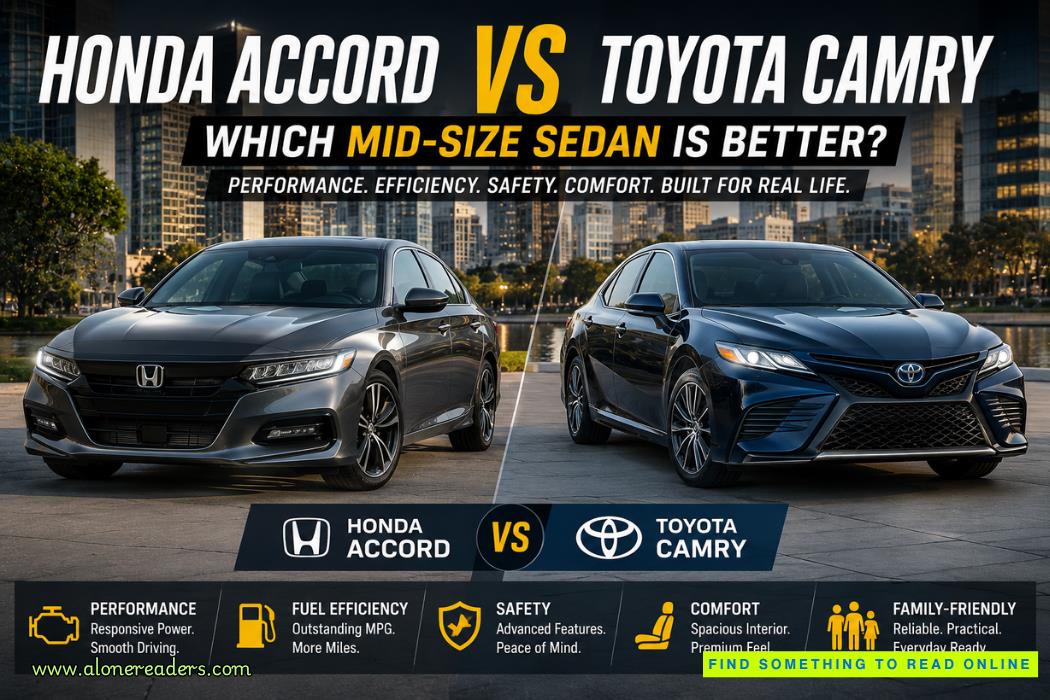 Honda Accord vs Toyota Camry: Which Mid-Size Sedan Is Better?
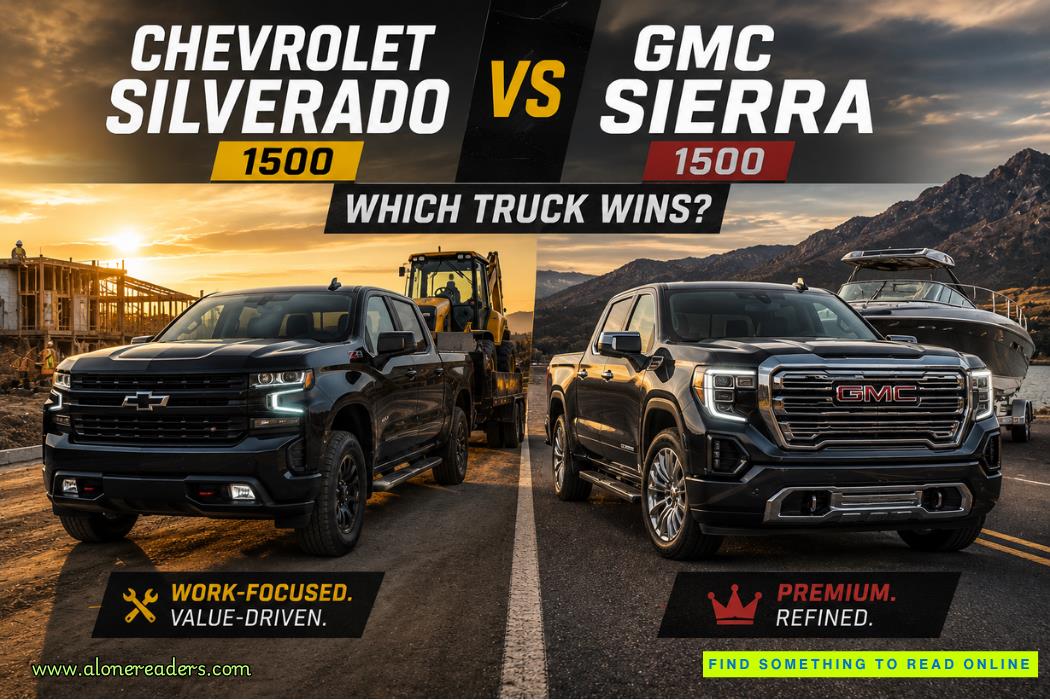 Chevrolet Silverado vs GMC Sierra: Which Truck Wins?
 2026 Jeep Wrangler Review: Off-Road Capabilities Tested in Extreme Terrain
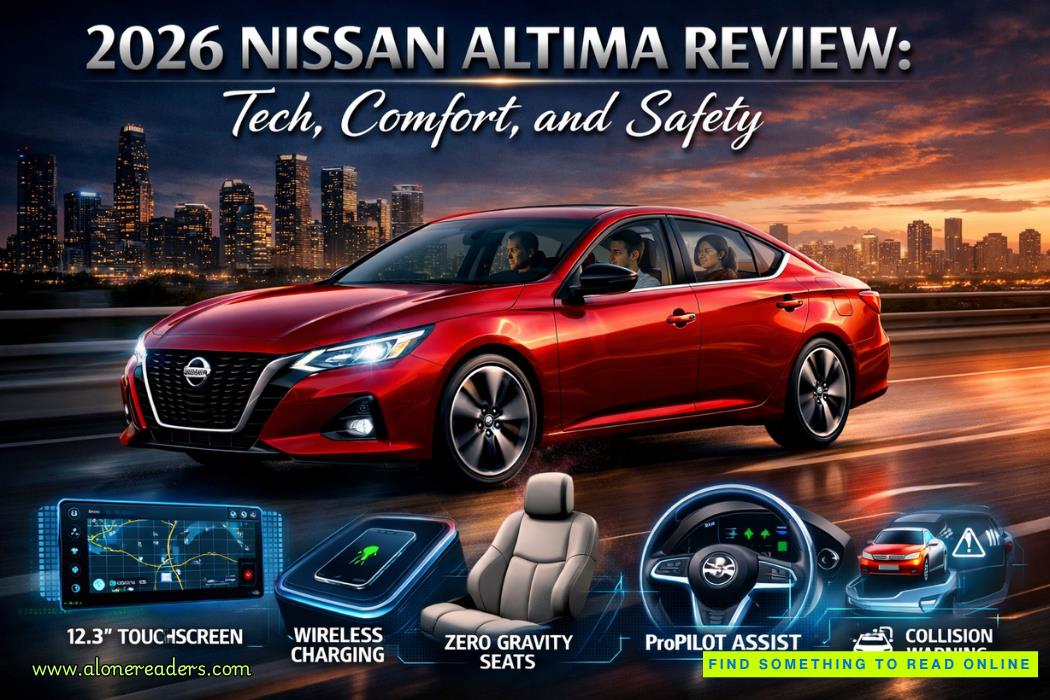 2026 Nissan Altima Review: Tech, Comfort, and Safety – In-Depth Expert Analysis