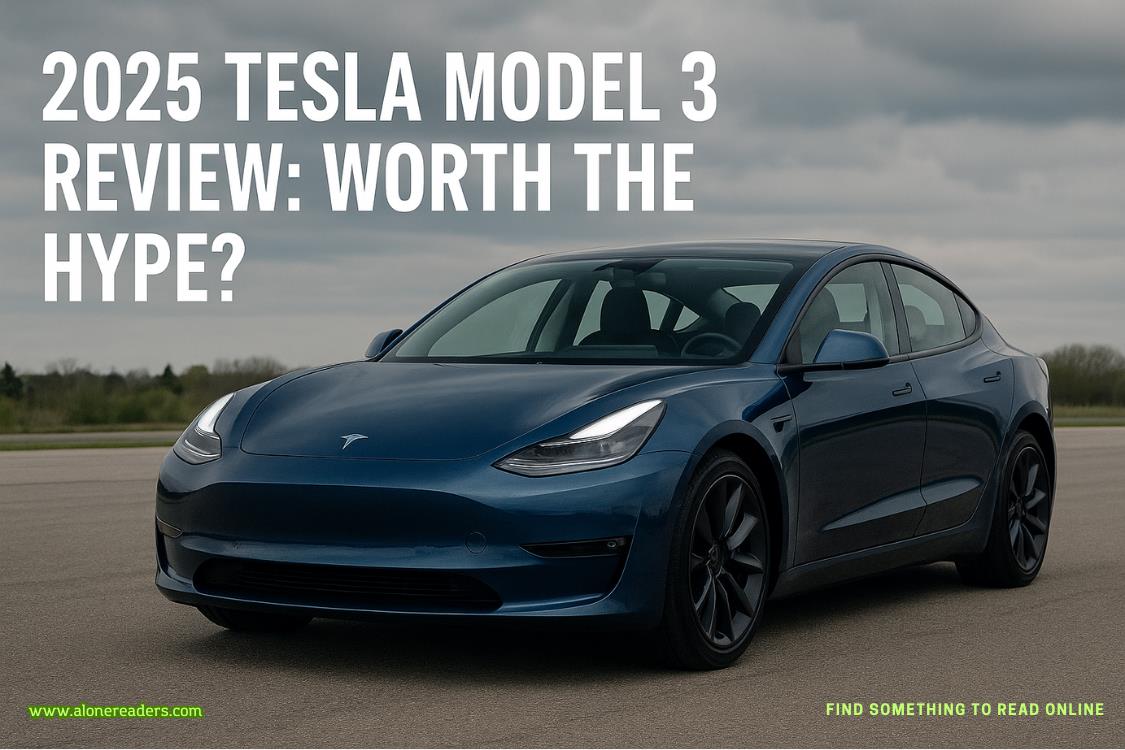
When Tesla first introduced the Model 3, it revolutionized the EV market by making electric driving more accessible without sacrificing performance or technology. Now, in 2025, the Model 3 has gone through multiple refinements and promises more than ever—better range, improved interiors, and more advanced driver assistance. But with competition from brands like BMW, Hyundai, and Polestar heating up, the question is: does the 2025 Tesla Model 3 still deliver enough to justify the hype and its price tag?
Sharper Aerodynamics with Subtle Elegance
The 2025 Model 3 introduces sleeker lines and minor aerodynamic tweaks that aren’t just for show—Tesla claims they contribute to an extra 5–10 miles of range. The redesigned front fascia eliminates the slightly bulbous nose from earlier models, giving the car a more premium, coupe-like stance. Door handles now feature a slightly improved touch sensor for faster response, and wheel options range from the minimalist Aero Wheels to sportier 19-inch alloys.
Lighting Upgrades
Tesla’s adaptive matrix LED headlights make their way into the 2025 Model 3, offering better illumination and the ability to selectively dim parts of the beam to avoid blinding other drivers. The taillights now have a sharper LED signature that makes the car instantly recognizable at night.
Minimalism Refined
Tesla’s minimalist approach remains, but the 2025 model adds more tactile materials to balance the tech-heavy design. The dashboard trim options now include sustainable wood, forged carbon, and brushed aluminum. The center console is more durable, with a redesigned sliding cover that feels less plasticky than before.
Seats and Cabin Comfort
The standard vegan leather upholstery has improved breathability and feels closer to high-grade leather than in past years. Heated and ventilated seats are now standard in all trims—a welcome addition for drivers in extreme climates. Rear passengers benefit from slightly increased legroom due to a re-contoured front seatback design.
Sound and Ambience
Tesla’s immersive audio system now supports 3D spatial sound. Ambient lighting, once only available via software mods, is now integrated natively, allowing for customizable cabin mood lighting.
Next-Gen Touchscreen Experience
The 15.4-inch center display still handles all major controls but benefits from faster processing and a more intuitive UI. The screen now supports haptic feedback for virtual buttons, making touch interactions feel more precise. Tesla has also improved voice commands, allowing for more natural, conversational requests.
Rear Passenger Display
Borrowing from the Model S and Model X, the 2025 Model 3 now has a rear entertainment screen between the front seats, giving passengers access to streaming, climate controls, and even video games.
Connectivity and Updates
All 2025 models ship with Tesla’s latest high-speed connectivity hardware, which means faster software updates, better streaming quality, and improved data for Autopilot and Full Self-Driving (FSD).
Multiple Powertrain Options
Ride and Handling
Tesla has fine-tuned the suspension for 2025, addressing past criticisms about road harshness. The new adaptive dampers adjust in milliseconds to road conditions, making the ride smoother without losing agility in corners. Steering feedback remains direct, and regenerative braking feels more natural, especially in the latest "blended braking" mode that mimics traditional brakes when needed.
Real-World Range vs. EPA Estimates
Tesla’s range claims have always been optimistic, but in 2025, the gap between EPA and real-world results is smaller. Most drivers report achieving around 95% of the stated range, thanks to improved battery management.
Charging Speed
The Model 3 supports 250 kW Supercharging, giving around 200 miles of range in just 15 minutes under ideal conditions. Tesla is also rolling out V4 Superchargers, which could further improve speeds, though availability is still limited.
Refined Driver Assistance
Basic Autopilot is standard, offering lane keeping and adaptive cruise control. The optional Enhanced Autopilot adds automated lane changes, highway navigation, and Smart Summon. Full Self-Driving, still in beta, continues to improve, with the 2025 version handling more complex urban scenarios like unprotected left turns and roundabouts.
Is FSD Worth It?
At around $12,000, it’s still a big investment, and its usefulness depends on your driving environment. Urban drivers may find more value than rural drivers due to the number of complex intersections and traffic conditions it can handle.
Starting MSRP
While these prices are competitive in the EV market, the Model 3 faces stronger rivals in 2025 than ever before. The Hyundai Ioniq 6, BMW i4, and Polestar 2 all offer competitive performance and range, sometimes with better build quality.
Pros
Cons
The 2025 Tesla Model 3 isn’t a revolutionary leap over previous versions, but it’s a meaningful refinement in almost every area. For buyers prioritizing range, charging speed, and cutting-edge tech, it remains one of the strongest contenders in its class. However, those who value tactile interior quality and a more traditional driving feel might find better satisfaction in some of its newer rivals.
If you’re a first-time EV buyer or upgrading from a pre-2023 Model 3, this version feels like a polished, future-proof investment—especially if Tesla’s charging network and software ecosystem matter to you. For those coming from a 2023 or 2024 model, the improvements, while real, may not be enough to justify the upgrade unless you want the latest tech and comfort features.



 Top 10 Affordable Electric Cars for 2026: Best Budget EVs Worldwide
 Tesla Model S Review: Speed, Range, and Features in 2026
 Honda Accord vs Toyota Camry: Which Mid-Size Sedan Is Better?
 Chevrolet Silverado vs GMC Sierra: Which Truck Wins?
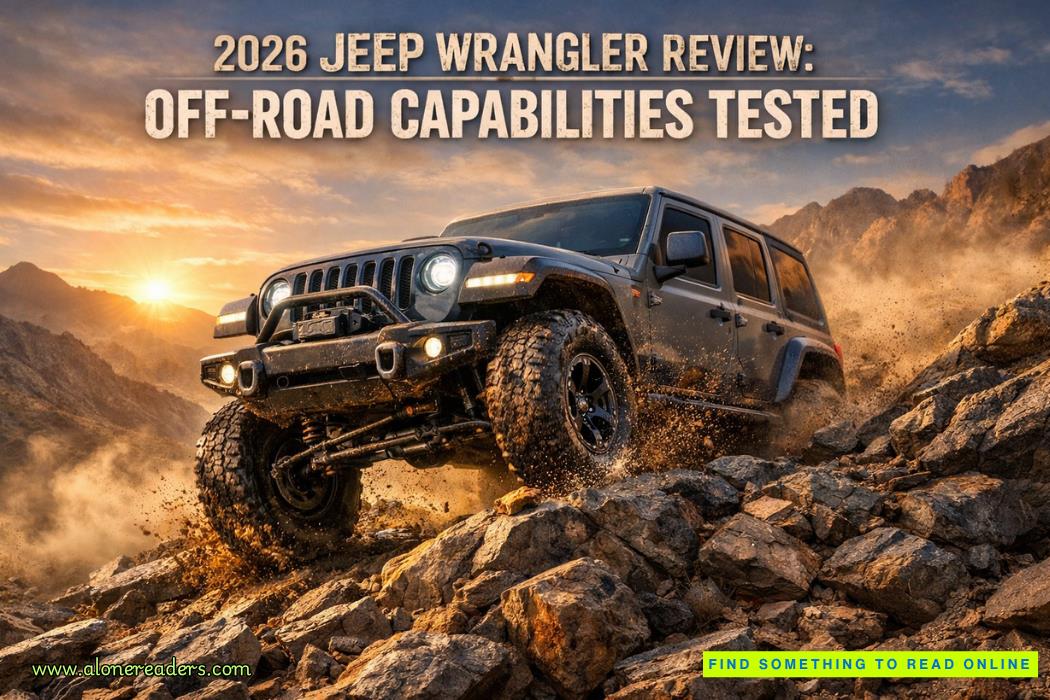 2026 Jeep Wrangler Review: Off-Road Capabilities Tested in Extreme Terrain
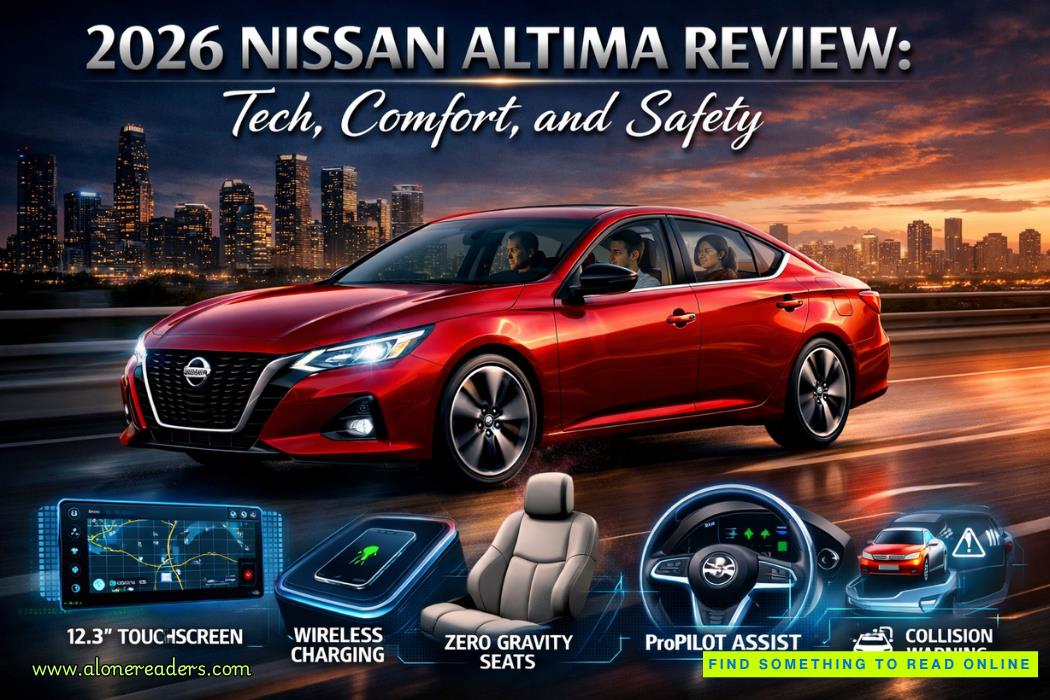 2026 Nissan Altima Review: Tech, Comfort, and Safety – In-Depth Expert Analysis