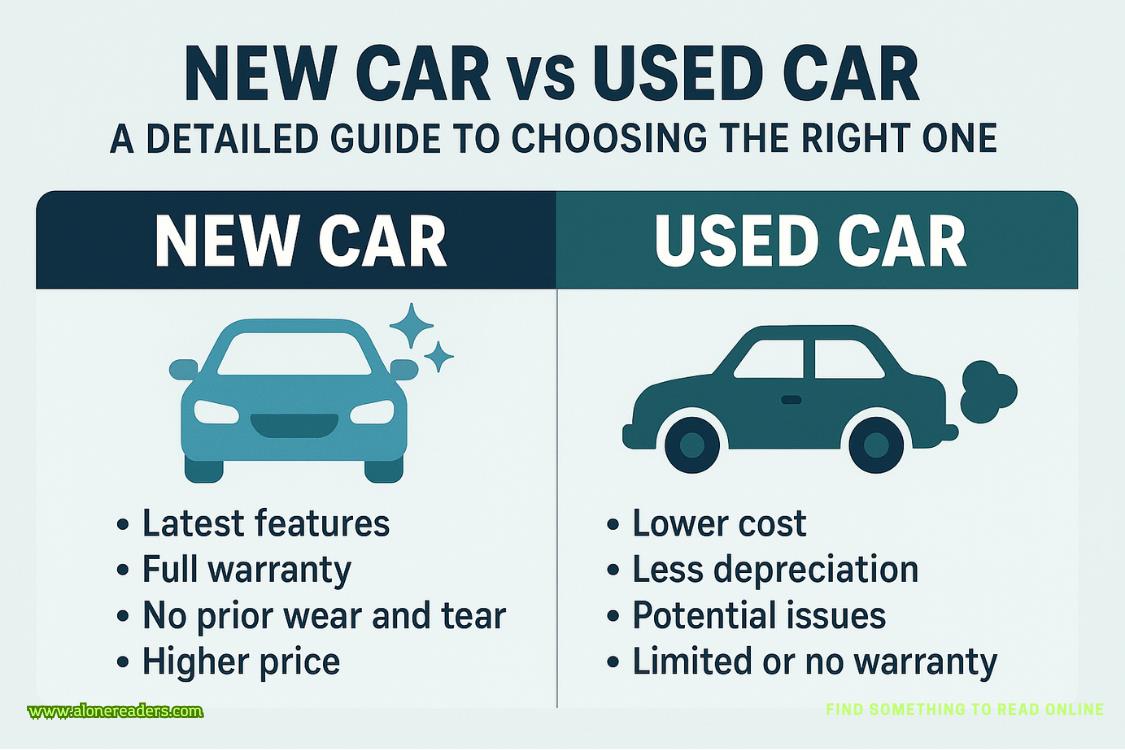
The decision to buy a new car or a used car is one of the most financially significant choices a driver will make. While many articles brush over the topic with generic pros and cons, the truth is far more nuanced. The best choice depends on your financial situation, driving needs, maintenance preferences, and even your tolerance for risk. A new vehicle offers the latest technology and peace of mind, but at a steep cost and faster depreciation. A used car can save you thousands, yet requires a sharper eye for potential mechanical issues and ownership history. This guide will explore the decision in depth, considering every angle from total cost of ownership to long-term financial implications.
A new car typically loses 20–30% of its value within the first year and about 50–60% within five years. This depreciation is a non-cash expense, but it has a real impact when you sell or trade in the vehicle. For example, a $40,000 car can lose $8,000–$12,000 in the first year alone.
On the other hand, used cars have already absorbed this initial depreciation hit. Buying a 3-year-old car can mean paying 30–40% less than its original MSRP, yet still enjoying most of its lifespan. However, you may encounter higher maintenance costs sooner, as parts like tires, brakes, and batteries approach their replacement cycles.
New Cars: Lenders often offer lower interest rates (sometimes as low as 0% APR for qualified buyers) on new cars, reducing the cost of borrowing. This can make a new car more affordable month-to-month despite the higher sticker price.
Used Cars: Interest rates on used vehicles tend to be higher—sometimes 2–4% more than new car loans. Additionally, loan terms for used cars may be shorter, leading to higher monthly payments unless you make a larger down payment.
New Cars: Almost all new vehicles come with a comprehensive manufacturer warranty covering at least 3 years or 36,000 miles, plus a powertrain warranty lasting 5 years or more. You’re paying for predictability—unexpected repair costs are minimal in the early years.
Used Cars: Many used cars are sold “as is” unless they’re certified pre-owned (CPO). CPO vehicles typically come with extended manufacturer-backed warranties, but they cost more than standard used cars. Non-CPO vehicles carry the risk of out-of-pocket repairs sooner.
If having the latest infotainment, driver-assistance, and safety systems is a priority, a new car is the obvious choice. Modern cars often include:
In contrast, used cars may lack these features or have outdated versions. However, if your main concern is reliable transportation rather than cutting-edge tech, a well-maintained used vehicle can meet your needs at a fraction of the cost.
New Cars: Generally cost more to insure because their replacement value is higher. You may also be required to carry more comprehensive coverage due to lender requirements.
Used Cars: Lower replacement cost means potentially lower insurance premiums. Older vehicles may allow you to drop certain coverage types, such as collision or comprehensive, depending on your financial comfort with risk.
New Cars: Minimal repair costs in the first few years and fewer surprises. Routine maintenance like oil changes and tire rotations are predictable expenses.
Used Cars: You may face immediate costs for wear-and-tear components, such as timing belts, suspension parts, or brake systems. Researching a specific model’s reliability record is crucial before purchase.
Some buyers value the ability to customize a vehicle exactly to their liking—color, trim, packages—something that’s possible with a new purchase. There’s also the psychological satisfaction of being the first owner.
A used car, while lacking that “new car smell,” can offer character, aftermarket upgrades, and even rare trims no longer in production.
From a purely financial standpoint, buying slightly used—typically a 2–4-year-old car—offers the best balance between cost savings and reliability. You avoid the steepest depreciation, still enjoy several years of trouble-free ownership, and often pay significantly less in financing and insurance.
If you value predictability, convenience, and technology, and are comfortable with the financial commitment, a new car makes sense. If you prioritize minimizing total cost of ownership and can handle occasional maintenance uncertainties, a used car is the smarter choice.
Choosing between a new car and a used car is not just about comparing prices—it’s about aligning the purchase with your lifestyle, risk tolerance, and long-term financial goals. While new cars deliver peace of mind and the latest features, used cars offer unmatched value and reduced depreciation. The key is to evaluate your priorities honestly and base your decision on total ownership cost rather than just the initial sticker price.



 Top 10 Affordable Electric Cars for 2026: Best Budget EVs Worldwide
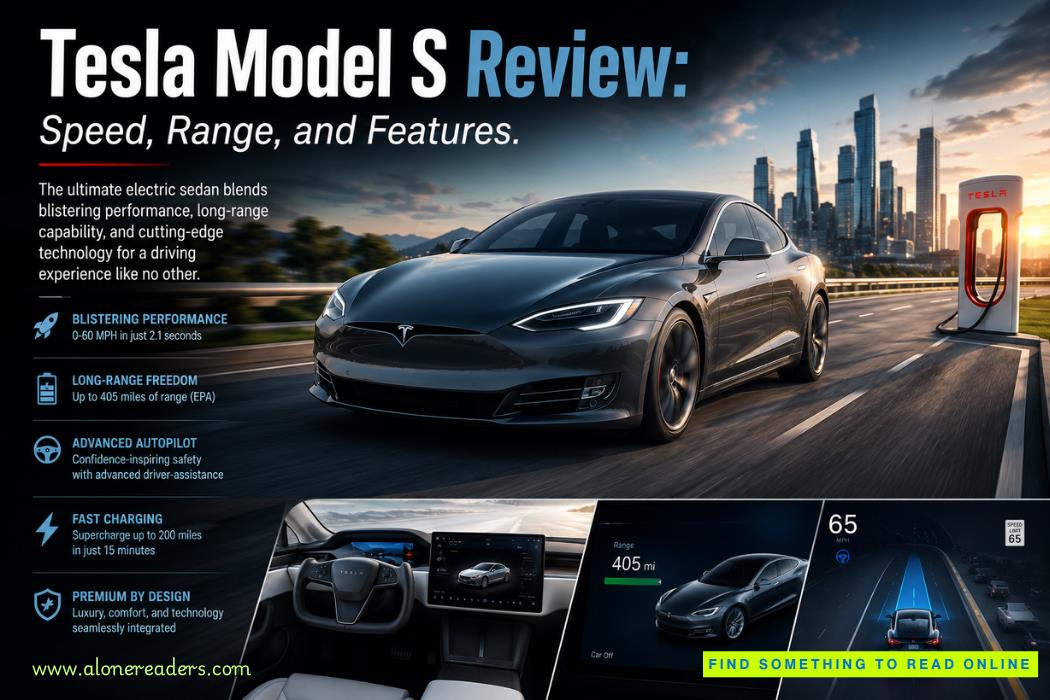 Tesla Model S Review: Speed, Range, and Features in 2026
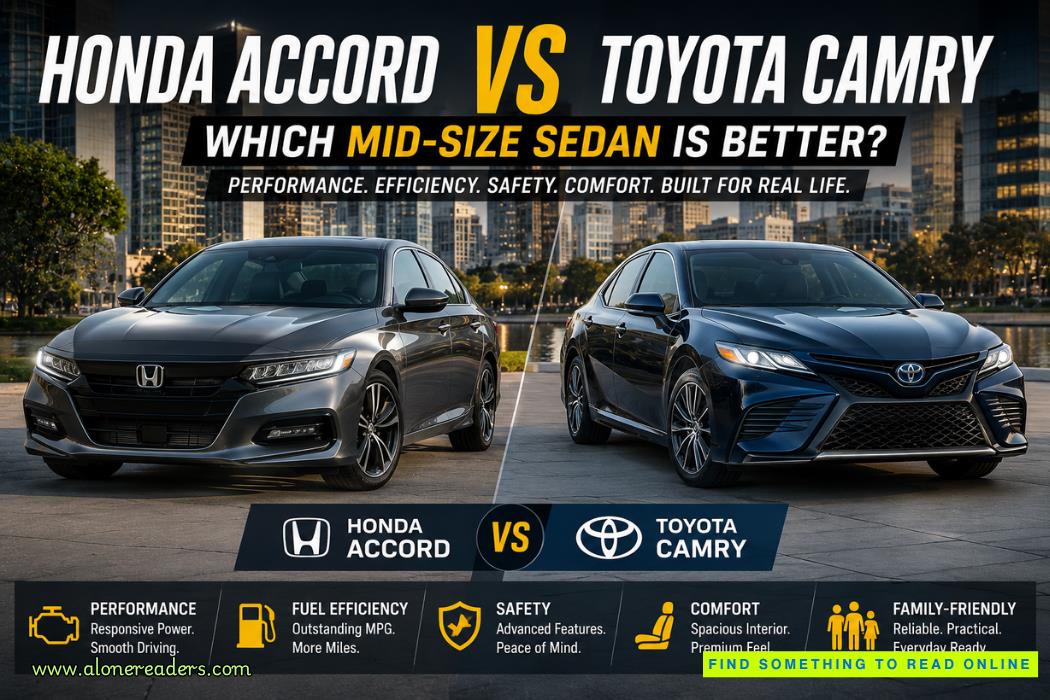 Honda Accord vs Toyota Camry: Which Mid-Size Sedan Is Better?
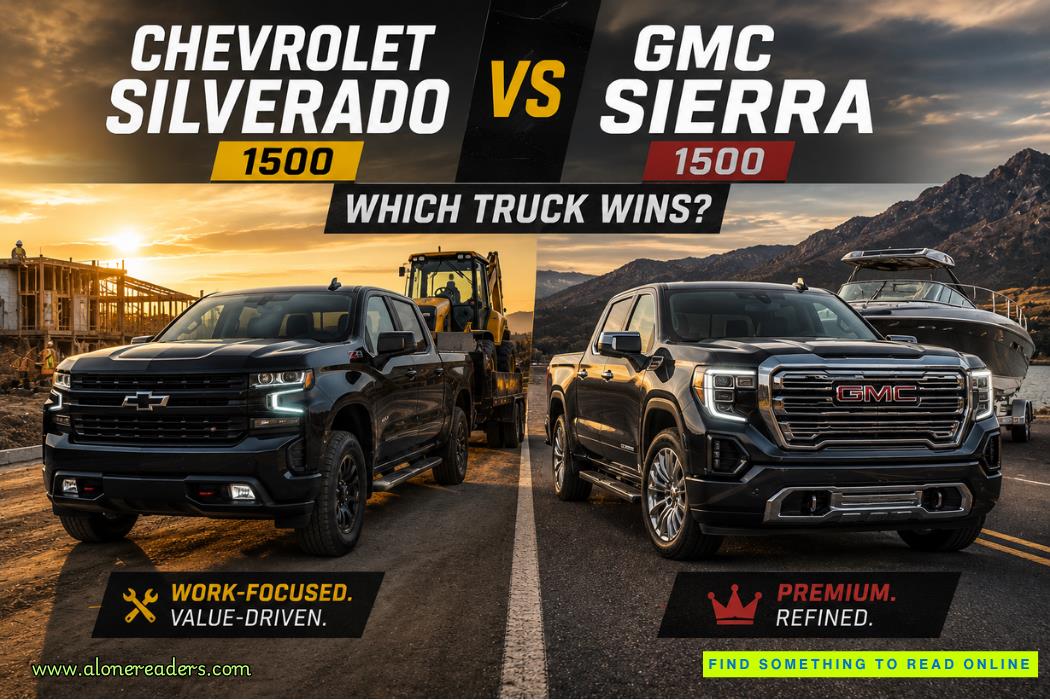 Chevrolet Silverado vs GMC Sierra: Which Truck Wins?
 2026 Jeep Wrangler Review: Off-Road Capabilities Tested in Extreme Terrain
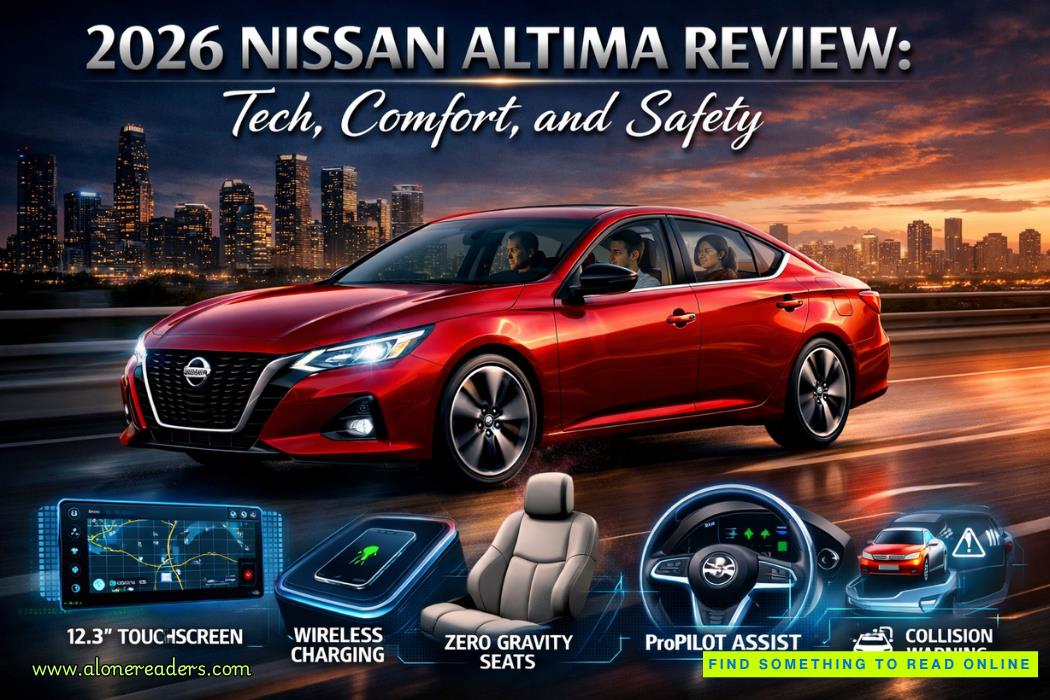 2026 Nissan Altima Review: Tech, Comfort, and Safety – In-Depth Expert Analysis