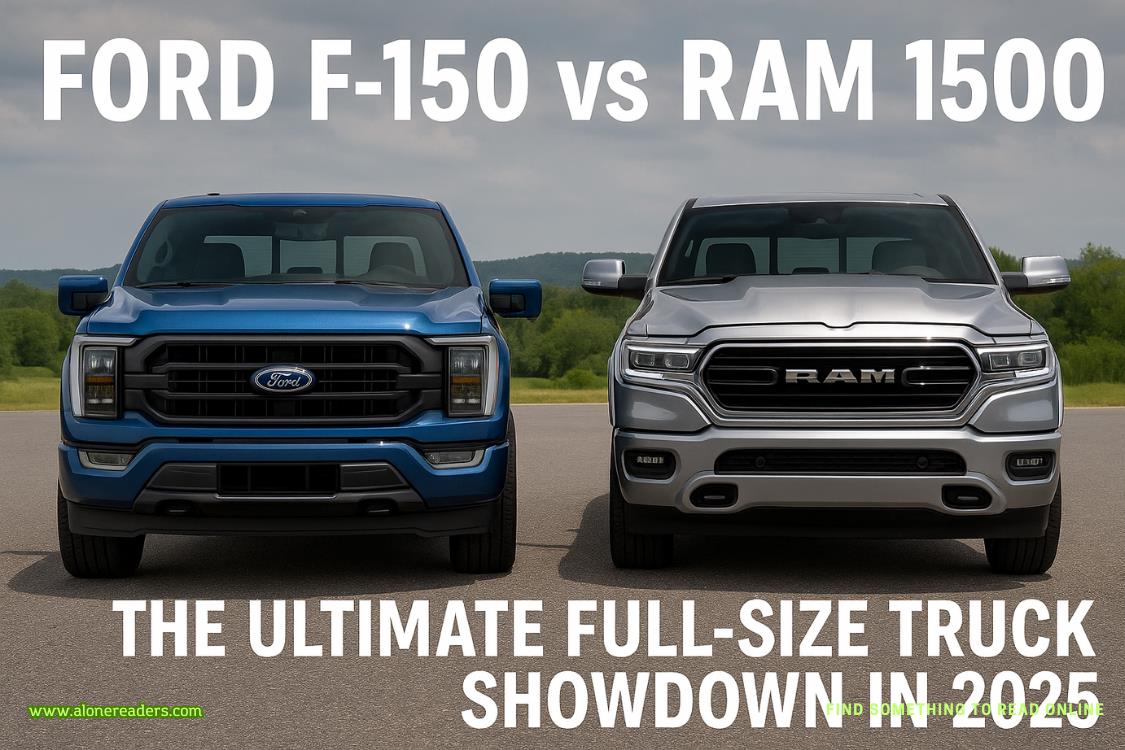
When it comes to full-size pickup trucks, two names dominate the conversation—Ford F-150 and Ram 1500. Both are industry heavyweights, boasting loyal followings and impressive reputations for power, utility, and comfort. While they may share the same segment, their philosophies, engineering approaches, and features set them apart. In this deep-dive comparison, we’ll break down the F-150 and Ram 1500 across performance, towing, comfort, technology, and value to determine which one reigns supreme for 2025 buyers.
Engine Choices
The Ford F-150’s strength lies in its wide powertrain lineup. Buyers can choose from:
The Ram 1500 offers fewer, but still robust, engine choices:
On-Road Driving Dynamics
The F-150 emphasizes versatility, with engines tuned for both efficiency and power depending on configuration. Its aluminum-intensive construction keeps weight low, improving acceleration and fuel economy.
The Ram 1500, meanwhile, is widely praised for class-leading ride comfort thanks to its coil-spring rear suspension (or optional air suspension), making it smoother over uneven roads compared to the F-150’s traditional leaf springs.
Towing Capacity
Payload Capacity
Here, the F-150 also edges ahead, with a maximum payload of 3,325 lbs compared to Ram’s 2,300 lbs. This difference is significant for buyers who frequently haul heavy cargo in the bed.
Ford F-150 Cabin Experience
The F-150 offers multiple trim personalities—from the utilitarian XL to the luxury-oriented Limited. The latest models bring a clean, functional design with a 12-inch touchscreen, an available fold-flat work surface, and rear seats that fold up for cargo storage. Materials improve dramatically in higher trims, but some lower trims still have harder plastics compared to Ram’s more refined interiors.
Ram 1500 Cabin Experience
Ram’s interior design sets the benchmark for luxury and refinement in the truck segment. Even mid-level trims like Laramie offer upscale materials, stitched dashboards, and soft-touch surfaces. The massive 12-inch vertical touchscreen is available on many trims, while the Limited and Longhorn editions rival luxury SUVs in comfort and craftsmanship.
Ford’s Tech Advantage
The F-150’s SYNC 4 system is fast and supports wireless Apple CarPlay and Android Auto. Advanced trailering aids like Pro Trailer Backup Assist make towing less intimidating. The available 12-inch digital gauge cluster and over-the-air software updates give Ford an edge in long-term tech adaptability.
Ram’s Tech Approach
Ram’s Uconnect 5 system is equally impressive, offering sharp graphics, intuitive menus, and multiple screen sizes (including the 12-inch vertical display). The available 900-watt Harman Kardon audio system delivers premium sound quality.
Hybrid tech gives the F-150 a unique advantage here. The PowerBoost Hybrid achieves up to 25 mpg combined, impressive for a full-size truck with over 500 lb-ft of torque.
Ram’s mild-hybrid eTorque system improves low-end torque and slightly boosts efficiency, but the V8 models still hover in the 17–20 mpg range combined.
Ford Off-Road Options
The F-150 Raptor remains a desert-running legend with long-travel suspension, 37-inch tire capability, and a Baja drive mode. More budget-friendly off-road packages include the Tremor trim with upgraded shocks, skid plates, and locking differentials.
Ram Off-Road Options
Ram’s answer is the 1500 TRX, a supercharged 702-hp monster built for high-speed off-roading. For buyers who don’t need TRX levels of insanity, the Rebel trim offers a balanced mix of off-road ability and daily usability.
Base Pricing
High-End Pricing
In terms of value, the F-150 offers a broader range of configurations and price points, while the Ram 1500 leans toward premium appointments even in lower trims.
Both trucks offer advanced driver-assistance systems, but implementation differs:
Ultimately, the decision comes down to whether you value work-first capability (F-150) or luxury-first comfort (Ram 1500). In 2025, both remain segment leaders, each dominating in their respective strengths.



 Top 10 Affordable Electric Cars for 2026: Best Budget EVs Worldwide
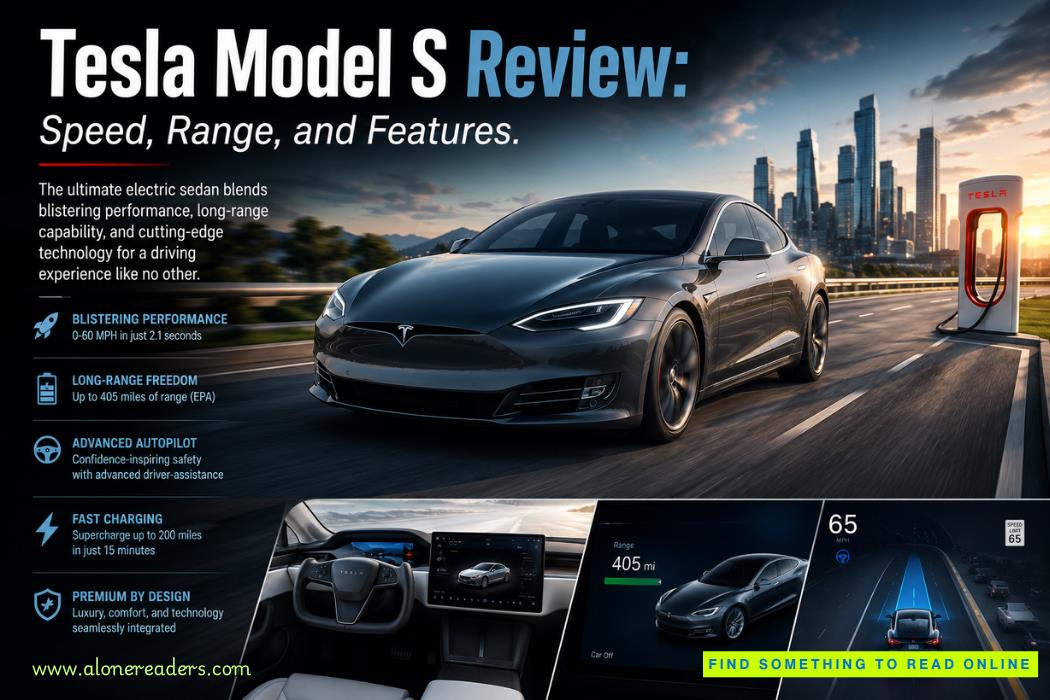 Tesla Model S Review: Speed, Range, and Features in 2026
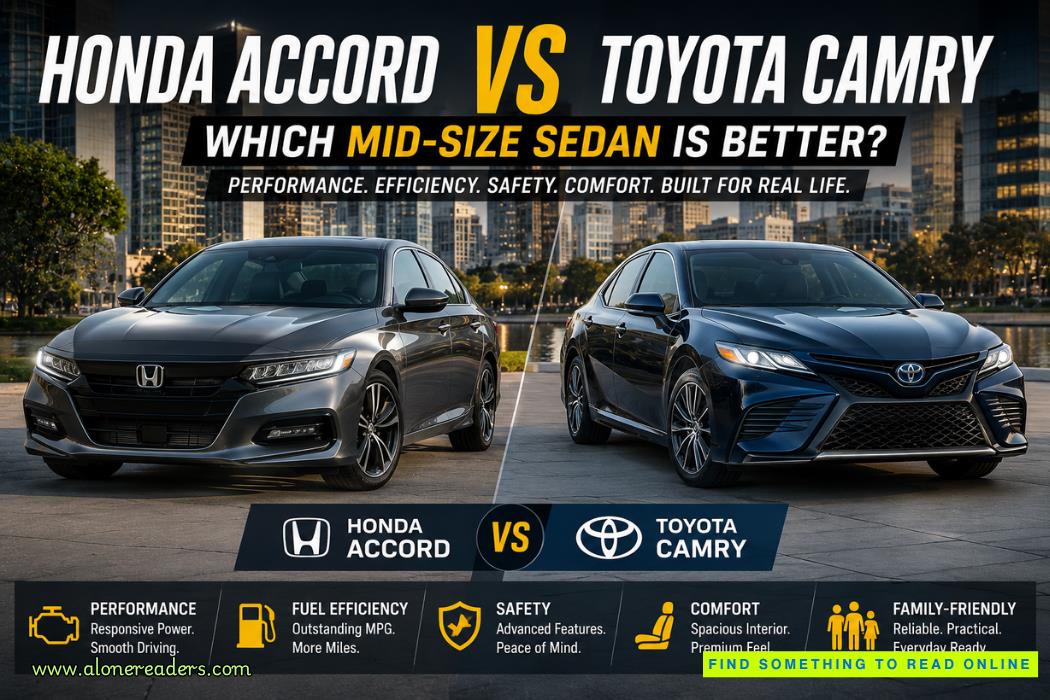 Honda Accord vs Toyota Camry: Which Mid-Size Sedan Is Better?
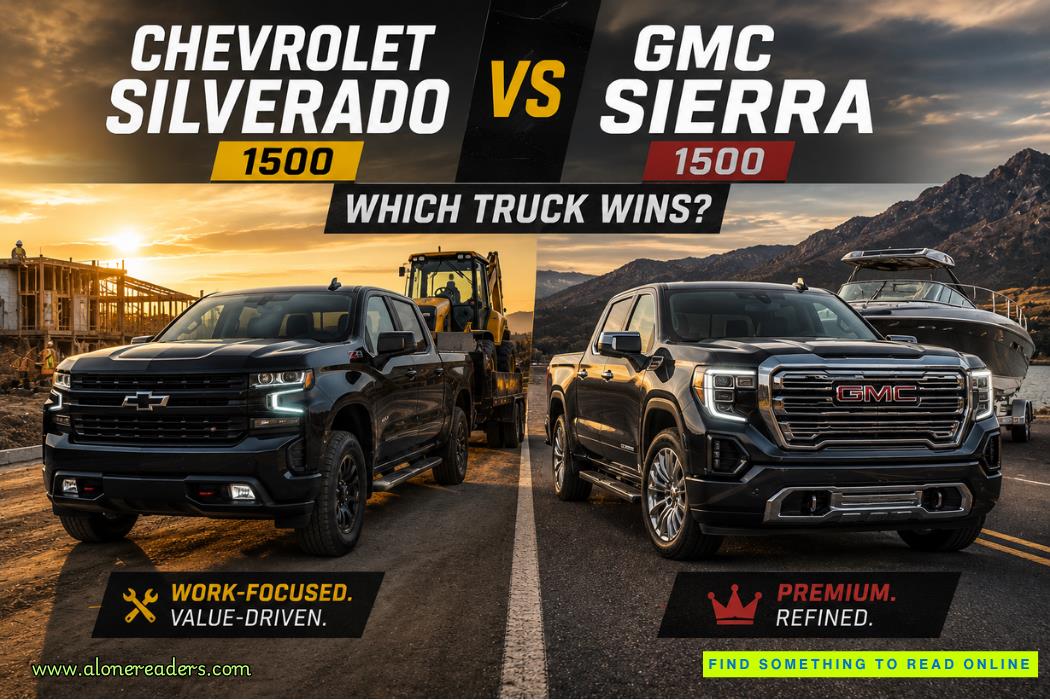 Chevrolet Silverado vs GMC Sierra: Which Truck Wins?
 2026 Jeep Wrangler Review: Off-Road Capabilities Tested in Extreme Terrain
 2026 Nissan Altima Review: Tech, Comfort, and Safety – In-Depth Expert Analysis