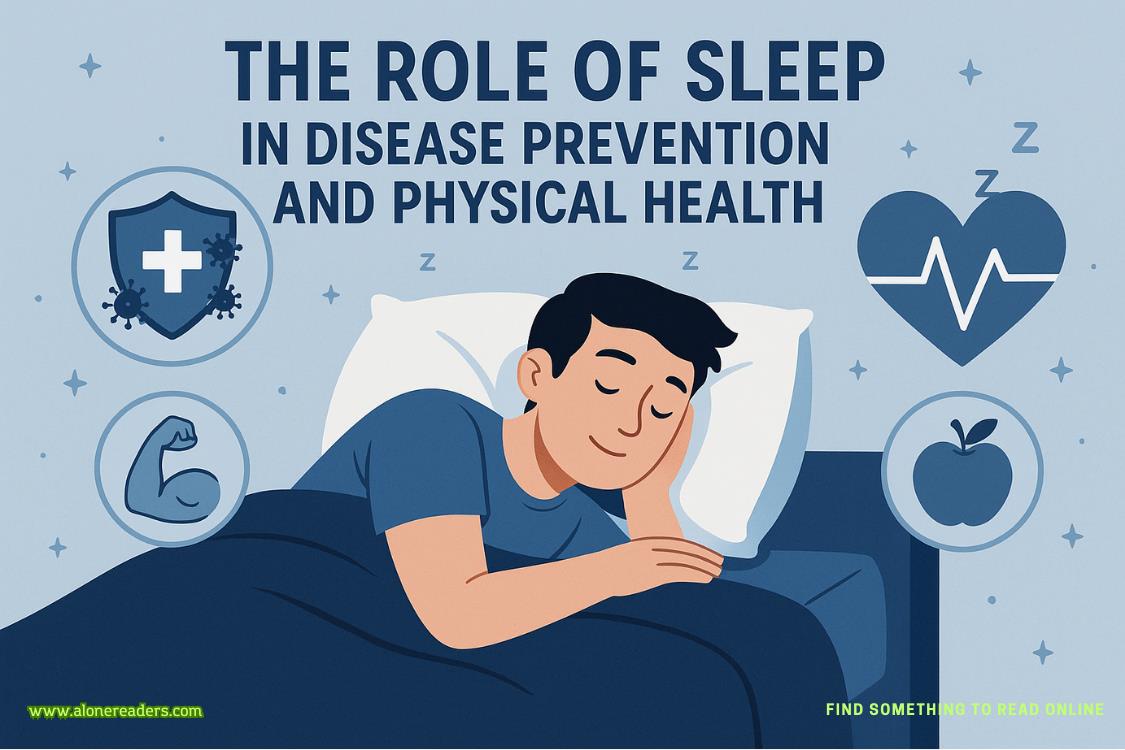
Sleep is far more than a daily pause from activity—it is a complex, biologically driven process essential to maintaining optimal health. Modern science has uncovered that sleep plays a direct and measurable role in preventing chronic illnesses, improving immune resilience, supporting cardiovascular health, regulating metabolism, and enhancing cognitive performance. The effects of sleep deprivation go beyond fatigue, influencing the body’s ability to repair, restore, and defend itself. Understanding the biological functions of sleep helps explain why consistent, high-quality rest is one of the most powerful tools for disease prevention.
How Sleep Strengthens Immunity
During deep and REM sleep cycles, the body produces and releases cytokines—proteins that target infection and inflammation. These cytokines, along with infection-fighting antibodies and white blood cells, are more actively synthesized during periods of rest. This biological rhythm ensures that the immune system is replenished and ready to respond to threats.
Sleep Deprivation and Immune Weakness
When sleep is cut short, the body produces fewer cytokines and antibodies. Even moderate sleep loss over a few days can impair immune memory, meaning the body may not respond as effectively to vaccines or recurring pathogens. This explains why people often become sick more easily after periods of disrupted sleep.
Impact on Blood Pressure and Heart Function
Healthy sleep patterns help regulate the autonomic nervous system, which controls heart rate and blood pressure. Deep sleep phases are associated with reduced sympathetic nervous activity, allowing blood vessels to relax and blood pressure to drop. Chronic sleep deprivation disrupts this natural cycle, contributing to hypertension and increased heart workload.
Sleep Disorders and Heart Disease Risk
Conditions such as sleep apnea are directly linked to elevated cardiovascular risk. Repeated nighttime oxygen deprivation increases inflammation, raises stress hormone levels, and promotes arterial plaque buildup—factors that can lead to heart attacks, strokes, and heart failure.
Regulation of Appetite Hormones
Sleep influences the production of ghrelin (the hunger hormone) and leptin (the satiety hormone). Inadequate rest increases ghrelin and decreases leptin, leading to greater appetite and higher calorie intake. Over time, this imbalance promotes weight gain and raises the risk of obesity.
Insulin Sensitivity and Glucose Control
Chronic short sleep impairs insulin sensitivity, making it harder for cells to absorb glucose. This results in elevated blood sugar levels, which over the long term can progress to type 2 diabetes. Sleep deprivation also disrupts cortisol levels, further interfering with metabolic regulation.
Memory Consolidation and Cognitive Function
During sleep, particularly in slow-wave and REM stages, the brain consolidates memories, processes new information, and clears waste products such as beta-amyloid proteins. These proteins, if accumulated, are associated with Alzheimer’s disease. Adequate sleep is therefore not just restorative for daily function but also protective against neurodegeneration.
Emotional Regulation
The amygdala, which processes emotional responses, becomes hyperactive when sleep-deprived. This can increase stress reactivity, irritability, and even depression risk. Long-term sleep loss can trigger chronic stress responses, which negatively affect overall health.
Link Between Inflammation and Disease
Chronic low-grade inflammation is a common factor in heart disease, diabetes, arthritis, and certain cancers. Sleep plays a role in moderating inflammatory pathways by regulating cytokine production and stress hormone release.
Effects of Disrupted Sleep Cycles
Irregular sleep patterns, such as those caused by shift work, disturb circadian rhythms and increase inflammatory markers like C-reactive protein. This disruption accelerates cellular aging and disease progression.
Optimal Sleep Duration
While individual needs vary, adults generally require 7–9 hours of quality sleep per night for maximum health benefits. Sleep that is either too short or excessively long is associated with increased mortality risk, highlighting the importance of balance.
Quality Over Quantity
Sleep efficiency—the proportion of time spent asleep while in bed—matters as much as total hours. Fragmented sleep, even if long in duration, can leave the body physiologically stressed.
Maintain a Consistent Sleep Schedule
Going to bed and waking up at the same time daily aligns the body’s circadian rhythm, making sleep more restorative.
Create a Sleep-Conducive Environment
A dark, quiet, and cool bedroom promotes uninterrupted rest. Exposure to screens before bed should be minimized to reduce blue light disruption of melatonin production.
Manage Stress Before Bedtime
Practices such as deep breathing, meditation, and light stretching can lower stress hormones, allowing for smoother transition into deep sleep stages.
Limit Stimulants and Heavy Meals
Caffeine and nicotine can delay sleep onset, while heavy or spicy meals can cause nighttime discomfort, leading to fragmented rest.
Increased Chronic Disease Risk
Years of inadequate sleep accumulate biological stress, increasing the likelihood of developing multiple chronic conditions simultaneously—a phenomenon known as multimorbidity.
Reduced Longevity
Studies show that chronic poor sleep is associated with shortened lifespan, primarily due to its impact on cardiovascular, metabolic, and immune systems.
Lowered Quality of Life
Beyond physical illness, poor sleep affects energy, mood, productivity, and resilience, diminishing day-to-day wellbeing.
Sleep is not a luxury—it is a biological necessity that underpins nearly every aspect of disease prevention and physical health. From strengthening immunity to preserving brain function, regulating metabolism, and protecting the heart, adequate, high-quality sleep serves as a foundational pillar of long-term wellness. Prioritizing healthy sleep habits is one of the most accessible, cost-effective, and powerful ways to safeguard the body against disease and maintain vitality throughout life.



 The Power of Positive Thinking: How to Cultivate Optimism for Lasting Success
 Mindfulness Practices to Enhance Mental Health: Science-Backed Techniques for Emotional Resilience
 Pavlova Christmas Tree – A Light, Festive & Stunning Holiday Dessert
 Sticky Glazed Christmas Chicken – A Sweet and Savory Delight for the Holiday Table
 Gingerbread Biscuits and Cakes – A Complete Festive Recipe Guide
 Beef Wellington – A Masterpiece Main Dish for Special Occasions










