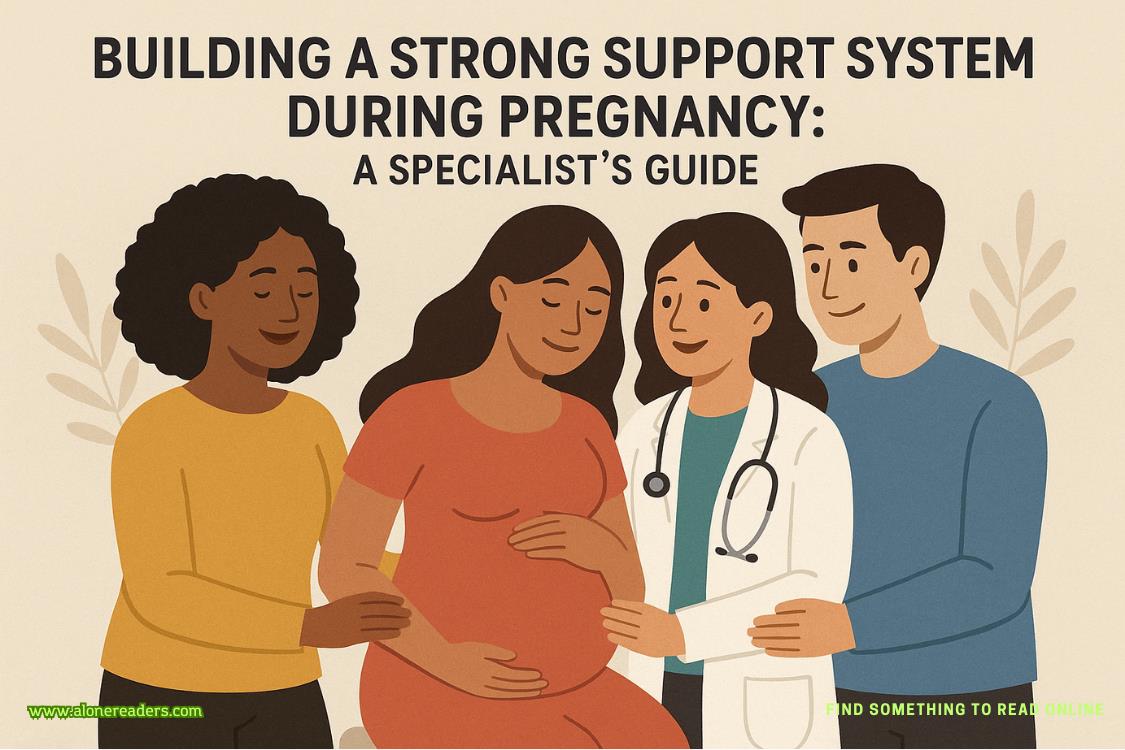
Pregnancy is both a transformative and vulnerable stage of life. While medical advances ensure better care than ever before, the emotional and physical challenges often require more than medical checkups. A strong support system—comprising partners, family, friends, healthcare professionals, and community resources—plays a crucial role in shaping a woman’s overall experience. Building this network intentionally can significantly reduce stress, improve outcomes, and foster confidence in navigating pregnancy.
Open communication as the core
The partner often becomes the most immediate and central support figure. Effective communication—discussing fears, expectations, and preferences—establishes trust. A pregnant woman may experience unpredictable emotions due to hormonal shifts; a supportive partner who listens without judgment becomes a stabilizing force.
Practical involvement
Beyond emotional reassurance, practical involvement matters. Attending prenatal appointments, helping with daily chores, and even participating in prenatal classes build shared responsibility. A partner’s engagement reduces feelings of isolation and ensures both parents transition smoothly into parenthood.
Handling conflict constructively
Stress may spark disagreements. Setting ground rules for calm discussions, focusing on solutions rather than blame, and recognizing when to seek external counseling prevent conflicts from eroding support during this sensitive period.
Balancing cultural expectations with individual needs
In many cultures, families have deeply rooted roles in pregnancy. While traditions can offer valuable wisdom, they may also conflict with modern medical advice. Establishing boundaries—respectfully but firmly—ensures that the woman’s health and preferences remain central.
Grandparents and siblings
Parents or in-laws may provide hands-on help with meals, transportation, or childcare for older children. Siblings can be excellent allies, offering emotional encouragement or helping with errands. Identifying who is genuinely reliable and who might add stress is key to managing family involvement.
Avoiding over-dependence
Too much family influence can sometimes reduce autonomy. A clear communication strategy—deciding which information to share, which to withhold, and how to politely decline unsolicited advice—preserves the mother’s mental well-being.
Choosing supportive friends intentionally
Not all friends will understand the demands of pregnancy. Some may unintentionally downplay concerns, while others become invaluable sources of encouragement. Choosing to spend more time with empathetic and understanding friends helps maintain positivity.
Emotional outlet and identity balance
Pregnancy can sometimes feel isolating. Friends provide a bridge to “normal life” and maintain a sense of identity beyond motherhood. Coffee dates, shared hobbies, or even regular phone calls prevent feelings of social withdrawal.
Managing unsupportive friendships
When friends dismiss or trivialize pregnancy struggles, it’s healthier to step back. Protecting mental health takes precedence over maintaining toxic friendships during this vulnerable stage.
Selecting the right medical team
A supportive obstetrician, midwife, or family doctor is central to a strong pregnancy support system. Women should feel comfortable asking questions and voicing concerns without fear of judgment. If a provider dismisses symptoms or minimizes discomfort, seeking a second opinion is justified.
Building trust through consistent care
Regular prenatal checkups are not just medical routines but opportunities to strengthen trust. When providers explain medical findings in understandable terms and involve the patient in decision-making, they empower her to feel in control of her pregnancy journey.
Mental health professionals
Pregnancy can trigger anxiety, depression, or past traumas. Establishing a relationship with a therapist or counselor—especially one specializing in perinatal mental health—offers tools for emotional resilience.
Prenatal classes and workshops
Beyond learning about labor and newborn care, prenatal classes connect expectant mothers with peers facing similar experiences. These shared interactions normalize fears and create a sense of belonging.
Support groups
Online and in-person support groups allow women to share advice, stories, and encouragement. Choosing moderated groups led by professionals helps ensure that shared information is accurate and constructive.
Doula and birth coach services
Doulas provide emotional and practical support during labor, bridging the gap between medical staff and personal care. Having a trained professional advocating for the mother’s preferences reduces stress in delivery rooms.
Identifying personal needs first
Every pregnancy is unique. Some women may need more emotional reassurance, others more physical help. A clear self-assessment—asking “What do I need most to feel safe and supported?”—guides the building of the right network.
Mapping out the network
Creating a written plan can be practical. Listing names under categories—partner, family, friends, professionals, community resources—helps visualize gaps. For example, if emotional support is strong but practical help is weak, hiring part-time help or asking a friend for logistical support fills the gap.
Emergency backup support
Unexpected complications, hospital stays, or sudden emotional breakdowns require a backup plan. Identifying who can step in at short notice—such as a trusted sibling, neighbor, or close friend—ensures continuity of care.
Dealing with anxiety and fear
Pregnancy often triggers fears about labor, complications, or motherhood itself. Acknowledging these feelings rather than suppressing them allows the support system to respond effectively. Open conversations with partners, journaling, and therapy sessions help process these emotions.
Coping with loneliness
Even in a house full of people, some women feel lonely. Scheduling regular interactions, joining community groups, or engaging in light social activities combats this sense of isolation.
Managing postpartum expectations early
A strong pregnancy support system naturally extends into the postpartum period. Discussing roles and expectations—who will cook meals, help with night feeds, or offer childcare—before delivery reduces stress once the baby arrives.
Budgeting for support services
Sometimes emotional support isn’t enough, and practical help requires financial investment. Budgeting for services like housecleaning, meal delivery, or a postpartum doula ensures the mother’s energy is preserved for recovery and bonding with the baby.
Insurance and healthcare planning
Reviewing insurance coverage for prenatal, delivery, and postpartum care prevents financial stress later. Some insurance plans also cover mental health or physical therapy sessions. Knowing these details in advance strengthens the support framework.
Workplace considerations
If employed, discussing maternity leave and flexible work arrangements with employers forms part of the support system. A supportive workplace can greatly reduce anxiety about balancing career and motherhood.
Building a support system during pregnancy is not about having as many people as possible involved, but about intentionally choosing the right people and resources to meet emotional, physical, and practical needs. A strong network reduces stress, fosters confidence, and prepares both mother and family for the transition ahead. By combining partner support, family balance, professional guidance, and community resources, expectant mothers can shape an environment that nurtures not just a healthy pregnancy, but a thriving entry into motherhood.



 The Power of Positive Thinking: How to Cultivate Optimism for Lasting Success
 Mindfulness Practices to Enhance Mental Health: Science-Backed Techniques for Emotional Resilience
 Pavlova Christmas Tree – A Light, Festive & Stunning Holiday Dessert
 Sticky Glazed Christmas Chicken – A Sweet and Savory Delight for the Holiday Table
 Gingerbread Biscuits and Cakes – A Complete Festive Recipe Guide
 Beef Wellington – A Masterpiece Main Dish for Special Occasions