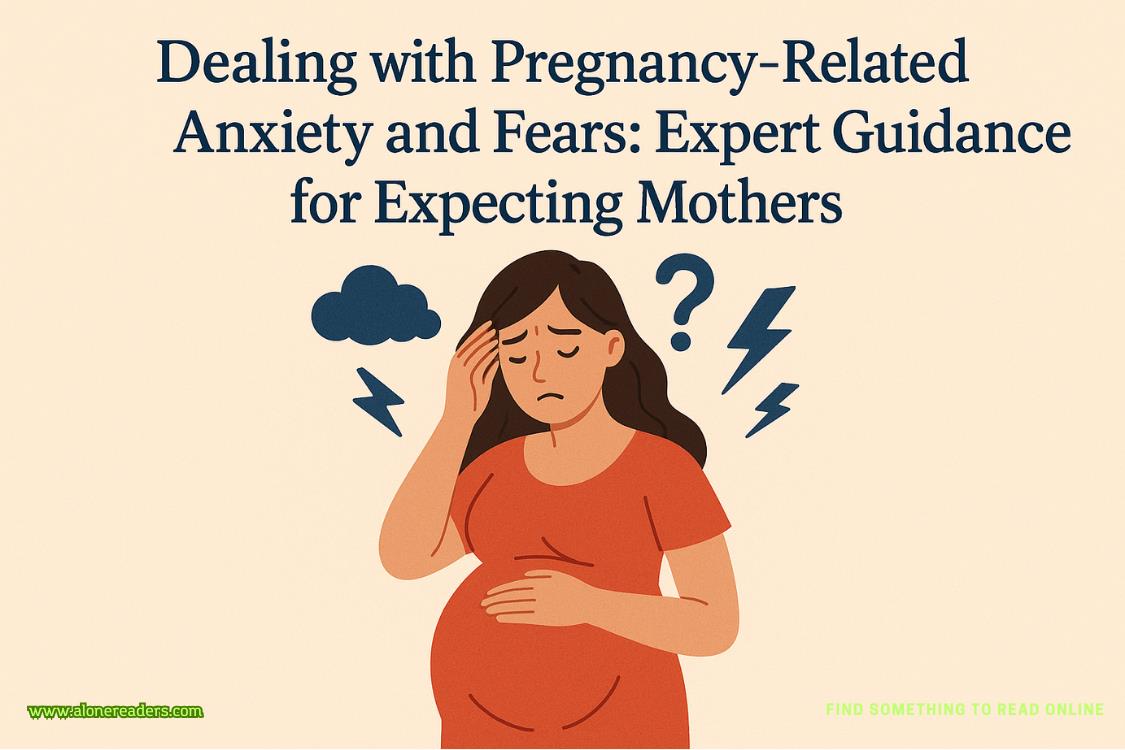
Pregnancy is often described as a magical journey, but the reality is far more complex. Alongside the excitement of creating new life, many women encounter deep waves of anxiety, ranging from fleeting worries to persistent fears that overshadow joy. This anxiety is not merely about mood swings—it can manifest physically, emotionally, and even affect decision-making throughout pregnancy. Understanding these fears, recognizing their triggers, and addressing them with specialized strategies is essential for ensuring both maternal and fetal well-being.
Hormonal changes and heightened sensitivity
Pregnancy dramatically alters hormonal balance, especially progesterone and estrogen, which affect emotional regulation. Many expecting mothers notice an exaggerated response to stress or uncertainty, making even minor issues feel overwhelming.
Fear of the unknown
For first-time mothers, the unpredictability of labor and delivery fuels anxiety. Even experienced mothers can struggle, as no two pregnancies are alike. Concerns about pain, medical interventions, and recovery often become recurring worries.
Concerns about the baby’s health
Ultrasound results, genetic testing, and doctor’s appointments can trigger intense fear about the baby’s development. For some, a lack of immediate reassurance after tests may spiral into catastrophic thinking.
Personal and social pressures
Expecting mothers may face external stressors: societal expectations to enjoy every moment, financial concerns, and workplace responsibilities. The pressure to “get everything right” intensifies self-doubt and anxiety.
Intrusive thoughts
Expecting mothers may find themselves consumed by “what if” scenarios—ranging from miscarriage fears to imagining worst-case delivery outcomes.
Physical symptoms
Rapid heartbeat, trouble sleeping, headaches, and digestive issues often mirror general anxiety symptoms but are intensified by pregnancy’s physical strain.
Behavioral changes
Some women over-research every symptom online, while others withdraw socially to avoid judgment or unsolicited advice. Both behaviors feed cycles of worry and isolation.
Fear of miscarriage
This is especially common in the first trimester when risks are statistically higher. Even after medical reassurance, some women struggle to shake the dread.
Fear of labor and delivery complications
Anxiety around pain, emergency C-sections, or medical errors can occupy a woman’s thoughts during the second and third trimesters.
Fear of not being a good mother
Questions like “Will I bond with my baby?” or “What if I fail?” often plague women, especially those with a history of mental health challenges.
Fear of body changes
Pregnancy alters body image. For some women, concerns about permanent changes, weight gain, or post-pregnancy recovery can dominate their minds.
Structured prenatal education
Attending prenatal classes can dramatically reduce fear by clarifying the birthing process and introducing coping techniques such as breathing exercises and relaxation methods.
Controlled information intake
Overexposure to online forums or medical articles can worsen anxiety. Setting boundaries—such as limiting online searches or relying only on trusted medical professionals—can break the cycle of worry.
Mindfulness and grounding techniques
Meditation, yoga, and guided imagery help calm physiological stress responses. Practicing simple breathwork—like slow, deep inhalations followed by long exhalations—can immediately lower anxiety levels.
Cognitive reframing
Challenging catastrophic thoughts is crucial. For example, instead of thinking, “I will definitely have complications,” reframing to “Many women experience healthy pregnancies and I am receiving medical care to reduce risks” provides perspective.
Support networks
Discussing fears with partners, close friends, or mothers’ groups creates emotional safety. Simply hearing “I felt that too” validates feelings and reduces isolation.
Therapy options
Cognitive-behavioral therapy (CBT) is effective in treating pregnancy-related anxiety by breaking down negative thought patterns. Therapists specializing in perinatal mental health can provide tailored guidance.
Medication considerations
In severe cases, doctors may prescribe medications that are safe during pregnancy. These decisions are carefully weighed, balancing maternal mental health with fetal safety.
When to seek urgent help
If anxiety interferes with daily functioning, disrupts sleep for extended periods, or leads to obsessive checking behaviors, professional intervention is necessary. Ignoring these symptoms can prolong suffering and complicate postpartum adjustment.
Active involvement
Partners can reduce anxiety by participating in prenatal appointments, learning about labor options, and providing physical comfort through massage or breathing support.
Creating a stress-free environment
Helping with household responsibilities, offering financial planning support, and discouraging overwhelming social obligations gives mothers the emotional space to focus on well-being.
Encouraging open communication
Partners should invite honest conversations without judgment, ensuring the mother feels supported rather than pressured to “stay positive.”
Routine stability
Keeping a consistent daily schedule—balanced meals, gentle exercise, and structured rest—anchors emotional stability.
Journaling and emotional release
Writing down fears allows expecting mothers to externalize their anxieties, making them easier to confront and process.
Visualization of positive outcomes
Rather than obsessing over worst-case scenarios, guided visualization of a calm labor and healthy baby helps shift the mental narrative toward hope and strength.
Bonding with the unborn baby
Practices like talking, singing, or playing music to the baby create positive emotional associations, counteracting fear with love and connection.
Anxiety during pregnancy often predicts postpartum mood disturbances if not managed. Creating a postpartum plan—arranging household help, discussing feeding plans with professionals, and setting realistic expectations for recovery—reduces the shock of transition. Recognizing that motherhood is a process, not an instant transformation, provides emotional breathing room for adaptation.
Pregnancy-related anxiety is not a personal weakness but a natural response to profound life changes, physical transformations, and social expectations. Left unchecked, it can erode the joy of pregnancy and compromise long-term well-being. However, with targeted coping strategies, professional guidance when needed, and the support of loved ones, expecting mothers can transform anxiety into resilience. Recognizing that fears are part of the journey—not a failure of it—empowers women to face pregnancy with confidence, self-compassion, and strength.



 The Power of Positive Thinking: How to Cultivate Optimism for Lasting Success
 Mindfulness Practices to Enhance Mental Health: Science-Backed Techniques for Emotional Resilience
 Pavlova Christmas Tree – A Light, Festive & Stunning Holiday Dessert
 Sticky Glazed Christmas Chicken – A Sweet and Savory Delight for the Holiday Table
 Gingerbread Biscuits and Cakes – A Complete Festive Recipe Guide
 Beef Wellington – A Masterpiece Main Dish for Special Occasions










