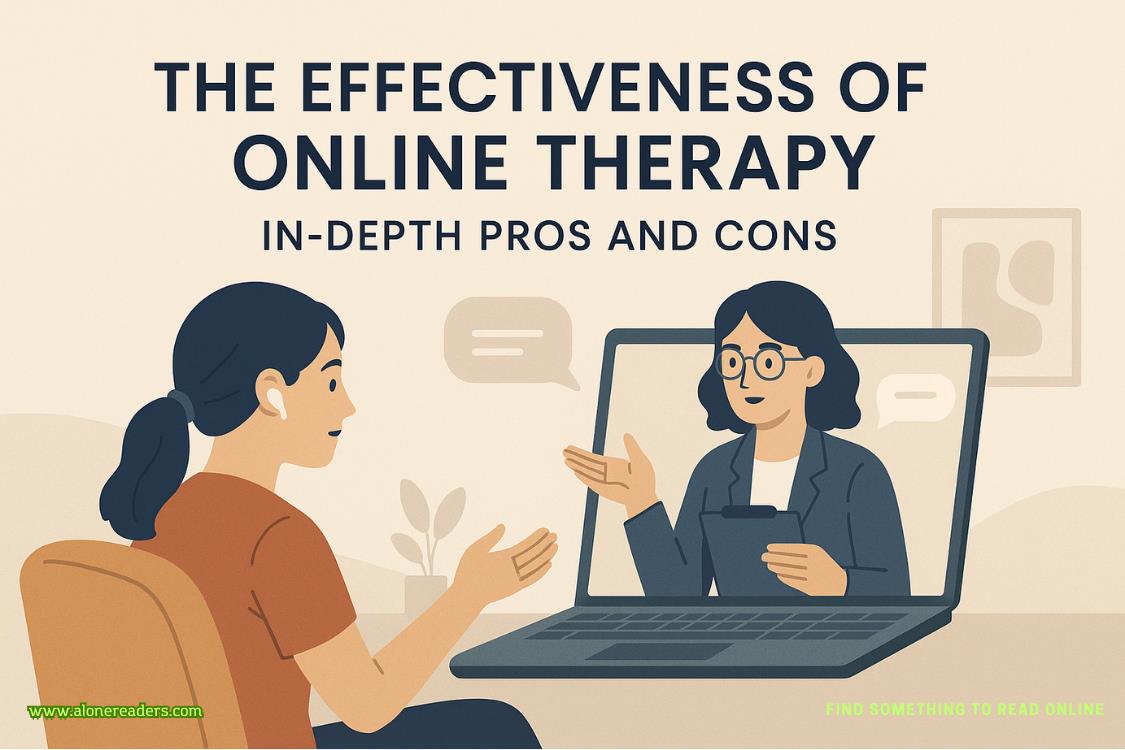
In the last decade, online therapy—also known as teletherapy or e-therapy—has shifted from a niche alternative to a mainstream mental health service. The COVID-19 pandemic accelerated this trend, with millions turning to digital platforms to manage anxiety, depression, and relationship challenges. But beyond convenience, an important question arises: how effective is online therapy compared to traditional face-to-face sessions?
This article takes a deep, specialist-level look at the effectiveness of online therapy, outlining not only the benefits but also the drawbacks. We will explore accessibility, therapeutic outcomes, clinical limitations, ethical concerns, and practical issues like cost and technology barriers. By the end, you should have a nuanced understanding of where online therapy shines—and where it falls short.
Breaking geographic barriers
One of the strongest advantages of online therapy is its ability to reach people in remote or underserved regions. Individuals living in rural towns, where mental health providers are scarce, can now connect with licensed professionals without long travel times. This has significantly reduced treatment gaps, particularly in countries with limited infrastructure.
Flexible scheduling for busy lives
Unlike traditional in-person sessions that often require rigid appointment slots, online therapy allows greater flexibility. Many platforms offer evening and weekend sessions, plus asynchronous options like text or email therapy. This accommodates individuals with irregular work schedules, parents with childcare responsibilities, or students managing academic pressures.
Privacy and reduced stigma
Logging into a secure platform from one’s home minimizes the anxiety of being seen at a clinic. For clients from cultures or communities where mental health stigma persists, this privacy can be the difference between seeking help or suffering in silence.
Comparable outcomes to in-person therapy
Clinical research shows that for common mental health issues such as mild to moderate depression and generalized anxiety disorder, online therapy—especially cognitive behavioral therapy (CBT)—produces outcomes nearly identical to traditional face-to-face interventions. Many clients report similar improvements in mood, coping skills, and resilience.
The role of modality
Effectiveness often depends on the mode of communication. Video conferencing most closely replicates the dynamics of in-person therapy, allowing therapists to observe nonverbal cues like facial expressions and posture. Audio-only sessions or text-based formats may reduce therapeutic richness, though some clients prefer the reduced intensity of written communication.
Therapist-client alliance
The quality of the therapeutic relationship, often called the “therapeutic alliance,” is a key predictor of success. While some worry that screens weaken this bond, studies indicate that strong connections can form digitally if the therapist is skilled at using online platforms. However, individuals who struggle with trust or intimacy may find it harder to build rapport without physical presence.
Lower overall expenses
Without the need to rent office space, commute, or purchase as many physical resources, many therapists can lower their rates for online services. Some platforms operate on subscription models, offering unlimited messaging and several video sessions per month at a fraction of traditional hourly fees.
Insurance coverage variability
A major drawback is inconsistent insurance recognition. In some regions, insurers reimburse teletherapy at the same rate as in-person sessions, while in others coverage is partial—or nonexistent. Clients may still face out-of-pocket expenses.
Hidden financial barriers
While cheaper in theory, online therapy assumes access to a stable internet connection, a device, and sometimes specialized software. For lower-income individuals, these hidden costs can present significant barriers.
Not ideal for severe psychiatric conditions
Online therapy is most effective for mild to moderate issues. For individuals experiencing psychosis, suicidal crises, or severe substance dependency, remote sessions often lack the necessary intensity, monitoring, and emergency support. In such cases, in-person intervention, sometimes involving hospitals or community services, is crucial.
Challenges with body language and sensory cues
Even with high-definition video, therapists may miss subtle but clinically relevant cues—such as trembling hands, changes in skin tone, or signs of physical neglect. These details often inform diagnoses and interventions in face-to-face therapy.
Emergency intervention limitations
A therapist working with a client remotely may struggle to respond quickly during emergencies, such as self-harm or sudden emotional breakdowns. While protocols exist (e.g., having local emergency contacts on file), online therapy is inherently less equipped to manage acute crises.
Data privacy risks
Therapy sessions involve highly sensitive disclosures. While reputable platforms use encryption, no digital system is entirely immune to breaches. A data leak could compromise confidentiality in ways that would never occur with in-person therapy notes locked in a filing cabinet.
Jurisdiction and licensing issues
Therapists are typically licensed within specific states or countries. With online platforms, clients sometimes seek help across borders, which can raise ethical and legal concerns. A therapist may be unauthorized to provide treatment outside their jurisdiction, leaving both client and provider vulnerable.
Boundaries and professional conduct
The shift to digital spaces blurs traditional boundaries. Clients may message therapists outside of agreed hours, expecting instant replies. Without careful structuring, this can lead to burnout for practitioners and dependency for clients.
Greater comfort for some, alienating for others
Introverted clients or those with social anxiety often thrive in online therapy, as the digital barrier provides a sense of safety. Conversely, people who struggle with technology, prefer physical presence, or value shared silence in a room may find online therapy unsatisfying.
Control over environment
Being able to attend therapy from a familiar, comfortable space can empower clients. However, distractions at home—children, roommates, noise—may reduce focus and compromise session quality.
Generational preferences
Younger generations, accustomed to digital interaction, often adapt well to online therapy. Older clients, particularly those less comfortable with technology, may resist the transition or experience additional stress when navigating platforms.
Integration into hybrid models
The future of therapy is likely hybrid. Many clients may begin treatment online and transition to in-person sessions for deeper work, or vice versa. Clinics increasingly adopt blended care, offering flexibility based on clinical needs.
Normalization of mental health care
As online therapy becomes mainstream, mental health care is more normalized. Widespread access may encourage earlier intervention, preventing conditions from escalating into crises.
Potential over-commercialization
However, as major corporations enter the online therapy space, there is concern that mental health could be commodified. Profit motives may lead to quick, superficial interventions rather than long-term healing.
Online therapy has revolutionized mental health care by breaking down barriers of distance, time, and stigma. For many, it offers effective, affordable, and private access to therapy. Yet, it is not a universal solution. Severe conditions, crises, and nuanced therapeutic needs often require in-person intervention. Issues of privacy, licensing, and client-therapist dynamics remain central to its evaluation.
The effectiveness of online therapy is therefore best understood not as an absolute, but as context-dependent. For individuals with mild to moderate conditions, technological access, and comfort with digital communication, online therapy can be highly beneficial. For those in crisis or needing intensive support, traditional therapy remains irreplaceable. Ultimately, the greatest strength of online therapy lies in its ability to expand choice—making mental health care more accessible than ever before.



 The Power of Positive Thinking: How to Cultivate Optimism for Lasting Success
 Mindfulness Practices to Enhance Mental Health: Science-Backed Techniques for Emotional Resilience
 Pavlova Christmas Tree – A Light, Festive & Stunning Holiday Dessert
 Sticky Glazed Christmas Chicken – A Sweet and Savory Delight for the Holiday Table
 Gingerbread Biscuits and Cakes – A Complete Festive Recipe Guide
 Beef Wellington – A Masterpiece Main Dish for Special Occasions