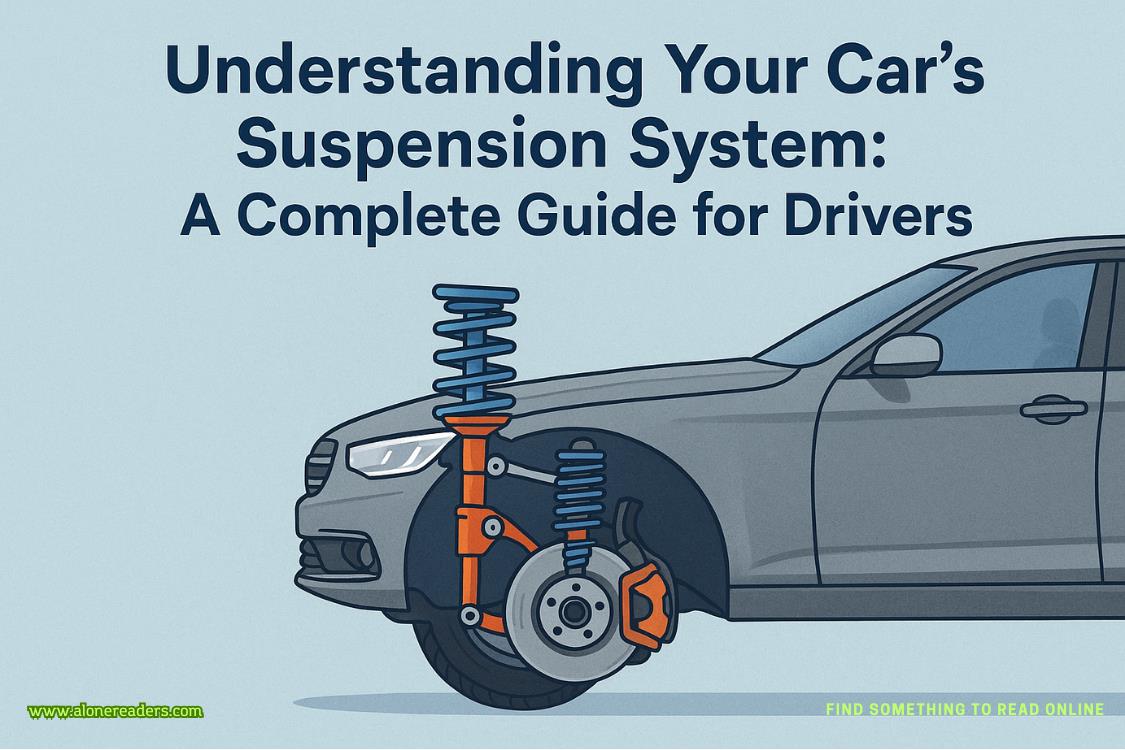
A car’s suspension system is far more than a collection of springs and shocks. It is a highly engineered network of components designed to maximize stability, comfort, and handling while keeping the vehicle safely connected to the road. While many drivers think of suspension as simply “absorbing bumps,” the system also controls weight distribution during acceleration, braking, and cornering. Understanding how this intricate system works can help drivers identify issues early, ensure proper maintenance, and ultimately extend the life of their vehicles.
At its core, a suspension system connects the vehicle’s body to its wheels while allowing controlled movement. The suspension absorbs road irregularities, minimizes vibrations, and ensures tires maintain maximum contact with the road surface. Without it, every bump, pothole, or sharp turn would directly transfer to the cabin, making driving unsafe and uncomfortable.
Springs
Springs are the primary load-bearing components. They compress and expand to absorb energy from bumps and potholes. Most passenger cars use one of three types: coil springs, leaf springs, or torsion bars.
Shock Absorbers (Dampers)
Springs alone would cause the car to bounce excessively. Shock absorbers dampen this motion by controlling spring oscillations. Hydraulic fluid inside the damper converts kinetic energy into heat, stabilizing the vehicle.
Struts
Struts combine a shock absorber and a spring into a single unit. They are commonly used in front suspensions of modern vehicles, providing both damping and structural support.
Control Arms
Control arms act as the hinge points between the wheels and the frame. They maintain wheel alignment while allowing up-and-down movement.
Ball Joints
These spherical bearings connect control arms to steering knuckles, enabling smooth pivoting during steering and suspension travel.
Stabilizer (Sway) Bars
Sway bars link the suspension on opposite sides of the vehicle, reducing body roll during cornering and improving stability.
Bushings
These small rubber or polyurethane mounts cushion joints between suspension components, absorbing vibrations and reducing metal-to-metal contact.
Dependent Suspension
In this design, wheels on the same axle are mechanically linked. Solid rear axles in trucks and SUVs are examples. While durable and capable of carrying heavy loads, they sacrifice comfort and precision handling.
Independent Suspension
Here, each wheel moves independently, allowing smoother rides and improved handling. Most modern cars use independent front suspension, and many premium vehicles extend it to the rear as well.
MacPherson Strut Suspension
A compact, cost-effective independent suspension design widely used in passenger cars. It integrates the strut as the main structural component, reducing weight and complexity.
Double Wishbone Suspension
This system uses two control arms (upper and lower) to allow precise wheel control. Popular in performance cars, it provides superior handling but is more complex and expensive to maintain.
Multi-Link Suspension
By using multiple arms and links, this system provides both comfort and agility. Common in luxury sedans and sports cars, it balances ride quality with handling precision.
Adaptive Suspension Systems
Luxury and high-performance cars increasingly feature adaptive or active suspension. These electronically controlled dampers adjust stiffness in real-time based on road conditions and driving style.
Air Suspension
Replacing traditional springs, air suspension uses airbags filled with compressed air. This allows adjustable ride height and improved comfort, common in high-end SUVs.
Magnetorheological Dampers
These advanced shocks use fluid that changes viscosity when exposed to magnetic fields, allowing almost instantaneous adjustment of damping force.
A faulty suspension doesn’t just reduce comfort—it directly affects braking distance, steering precision, and overall control. Studies show that vehicles with compromised suspension systems have higher accident risks due to loss of traction and longer stopping distances. Drivers often underestimate how vital suspension is until they face an emergency maneuver where proper stability can mean the difference between control and collision.
Your car’s suspension system is a silent but critical guardian of safety, performance, and comfort. By understanding its components, functions, and maintenance needs, drivers can identify early warning signs of wear and take preventive action. Whether navigating city streets, highways, or rugged off-road trails, a well-maintained suspension ensures that your car remains stable, responsive, and safe. Like the human spine supporting the body, suspension supports every movement of your car—making it one of the most important systems to keep in top condition.



 Top 10 Affordable Electric Cars for 2026: Best Budget EVs Worldwide
 Tesla Model S Review: Speed, Range, and Features in 2026
 Honda Accord vs Toyota Camry: Which Mid-Size Sedan Is Better?
 Chevrolet Silverado vs GMC Sierra: Which Truck Wins?
 2026 Jeep Wrangler Review: Off-Road Capabilities Tested in Extreme Terrain
 2026 Nissan Altima Review: Tech, Comfort, and Safety – In-Depth Expert Analysis










