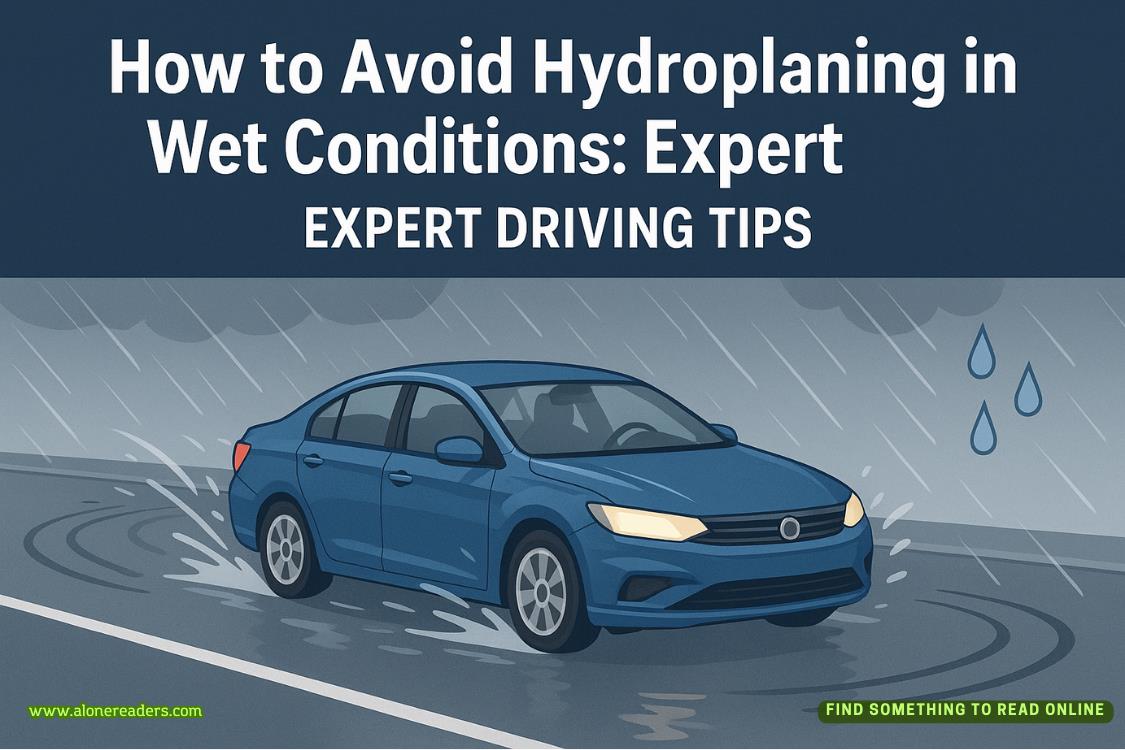
Hydroplaning is one of the most underestimated hazards drivers face during wet conditions. Unlike normal skidding, it involves the complete or partial loss of traction when a layer of water builds up between the tires and the road surface. In this state, your vehicle essentially "floats," and steering or braking becomes ineffective. For a driver, even a few seconds of hydroplaning can lead to severe consequences. Avoiding hydroplaning requires not just awareness but deliberate, technical adjustments in your driving habits and vehicle maintenance.
The physics of hydroplaning
Hydroplaning occurs when water pressure at the front of a moving tire pushes water beneath it faster than the tire tread can channel it away. Once the water layer lifts the tire slightly off the road, friction drops close to zero. Even modern anti-lock braking systems (ABS) and electronic stability control (ESC) cannot fully overcome this loss of grip.
Key thresholds
Tire tread depth
The most effective protection against hydroplaning is sufficient tread depth. Treads act like channels, dispersing water. Tires worn below 2/32 of an inch are essentially hydroplaning hazards. For rainy regions, consider replacing tires at 4/32 of an inch.
Tire pressure
Underinflated tires flatten against the road and lose their ability to cut through water. Overinflated tires reduce the tread’s water channeling capacity. Always maintain the manufacturer’s recommended pressure, checked monthly and before long trips.
Tire type and quality
Why slower is safer
The single most important factor in hydroplaning is speed. By reducing speed, you decrease water pressure buildup in front of the tires, allowing the tread to maintain contact with the road.
Practical guidelines
Steering control
When hydroplaning begins, many drivers overreact by jerking the wheel. This worsens the loss of control. Instead, keep your steering inputs gentle and aligned with the intended path.
Braking technique
Acceleration discipline
Never floor the gas in wet conditions. Hydroplaning often happens when drivers attempt to accelerate out of puddles. Smooth, gradual throttle inputs are essential.
Reading the road surface
Hydroplaning is more likely in certain areas of the road:
Lane choice
When possible, drive in the tracks left by vehicles ahead of you. These tracks displace water and provide slightly drier surfaces. However, maintain a safe following distance to avoid spray that reduces visibility.
Lighter vs. heavier vehicles
Light vehicles hydroplane more easily due to reduced tire load. This is why motorcycles are especially vulnerable. A fully loaded vehicle has more downward force, which helps push water out of the way, but excess weight can compromise braking distance.
Practical tip
Maintain a balanced load—avoid overloading the rear or front, which can unevenly distribute weight and affect how each tire interacts with standing water.
If you feel the steering suddenly goes light or the car drifts despite steering corrections, you are hydroplaning. Here’s what to do:
Panic is the greatest enemy. Calm, deliberate actions reduce the severity of hydroplaning incidents.
Electronic Stability Control (ESC)
ESC helps regain stability by applying brakes selectively. However, it cannot generate traction when tires are entirely lifted off water.
Tire Pressure Monitoring Systems (TPMS)
By warning of underinflation, TPMS indirectly helps prevent hydroplaning risks caused by poor tire condition.
Hydrophobic coatings
Advanced coatings applied to windshields improve visibility, indirectly aiding a driver’s reaction to hydroplaning conditions.
Rain intensity
Hydroplaning is most dangerous in the first 10–15 minutes of rainfall when oils on the road mix with water. After prolonged rain, standing water in low areas poses greater hazards.
Temperature effects
Warm rain on cold pavement or vice versa reduces tire performance, lowering the margin before hydroplaning occurs.
Regional risks
Flat highways in flood-prone areas, poorly drained urban roads, and rural roads with loose gravel bases all increase hydroplaning likelihood.
Hydroplaning isn’t a rare or random event—it is the predictable outcome of water depth, tire condition, and driver behavior. By maintaining your tires, adjusting your speed, reading the road, and reacting calmly when traction is lost, you significantly reduce the risks. Driving in the rain is not just about being cautious—it’s about applying precise, technical strategies that ensure safety for yourself and others on the road.



 Top 10 Affordable Electric Cars for 2026: Best Budget EVs Worldwide
 Tesla Model S Review: Speed, Range, and Features in 2026
 Honda Accord vs Toyota Camry: Which Mid-Size Sedan Is Better?
 Chevrolet Silverado vs GMC Sierra: Which Truck Wins?
 2026 Jeep Wrangler Review: Off-Road Capabilities Tested in Extreme Terrain
 2026 Nissan Altima Review: Tech, Comfort, and Safety – In-Depth Expert Analysis










