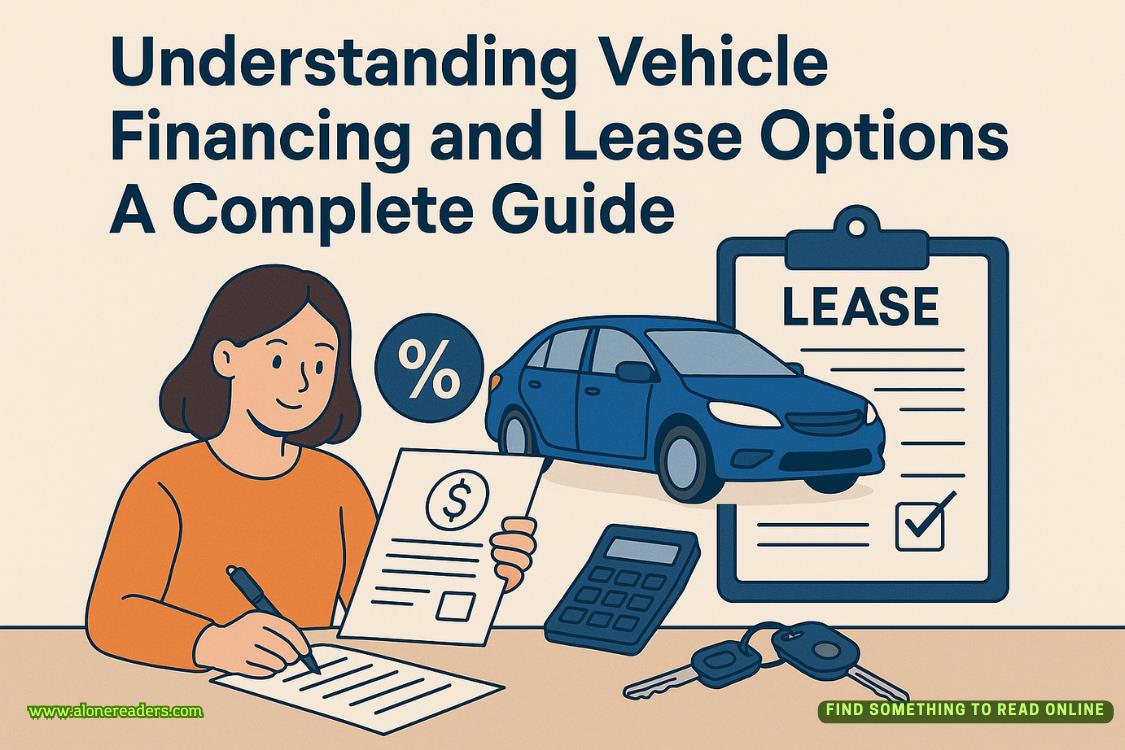
When purchasing a vehicle, one of the first financial decisions most people face is whether to finance the car through a loan or to lease it. Both options involve long-term commitments, but they differ substantially in cost structure, ownership rights, and flexibility. To make the right decision, it’s important to deeply understand how financing and leasing work, their advantages and disadvantages, and the specific financial implications each choice carries.
Definition and Structure
Vehicle financing means borrowing money to buy a car outright. The buyer secures an auto loan from a bank, credit union, or dealership’s financing arm, and repays it in fixed monthly installments. Once the loan is fully repaid, the buyer owns the vehicle free of any encumbrances.
Key Elements of Auto Loans
Ownership Benefits
With financing, the buyer builds equity in the vehicle. After the loan term ends, the car can be kept indefinitely, sold, or traded in, often providing value toward the next purchase.
Definition and Structure
Leasing is similar to renting a vehicle long-term. The customer pays for the vehicle’s depreciation during the lease period rather than its full purchase price. After the lease term ends, usually 24 to 48 months, the car must be returned unless the customer opts for a buyout.
Key Elements of a Lease
Flexibility and Risks
Leasing offers access to newer models every few years, often with lower monthly payments compared to financing. However, it restricts ownership and can penalize heavy drivers or those who need customization.
Monthly Payment Differences
Long-Term Financial Outcome
Upfront Costs
Who Should Finance
Smart Financing Tips
Who Should Lease
Smart Leasing Tips
Financing
Leasing
A critical factor in both financing and leasing is how a vehicle retains its value over time.
The right choice ultimately depends on personal financial goals, driving habits, and how much value you place on ownership versus flexibility.
Understanding vehicle financing and lease options is about more than just monthly payments. Financing provides equity, long-term savings, and ownership freedom, while leasing offers lower payments and access to newer cars with fewer responsibilities. By analyzing loan terms, lease structures, tax implications, and personal driving habits, buyers can align their choice with financial stability and lifestyle needs.



 Top 10 Affordable Electric Cars for 2026: Best Budget EVs Worldwide
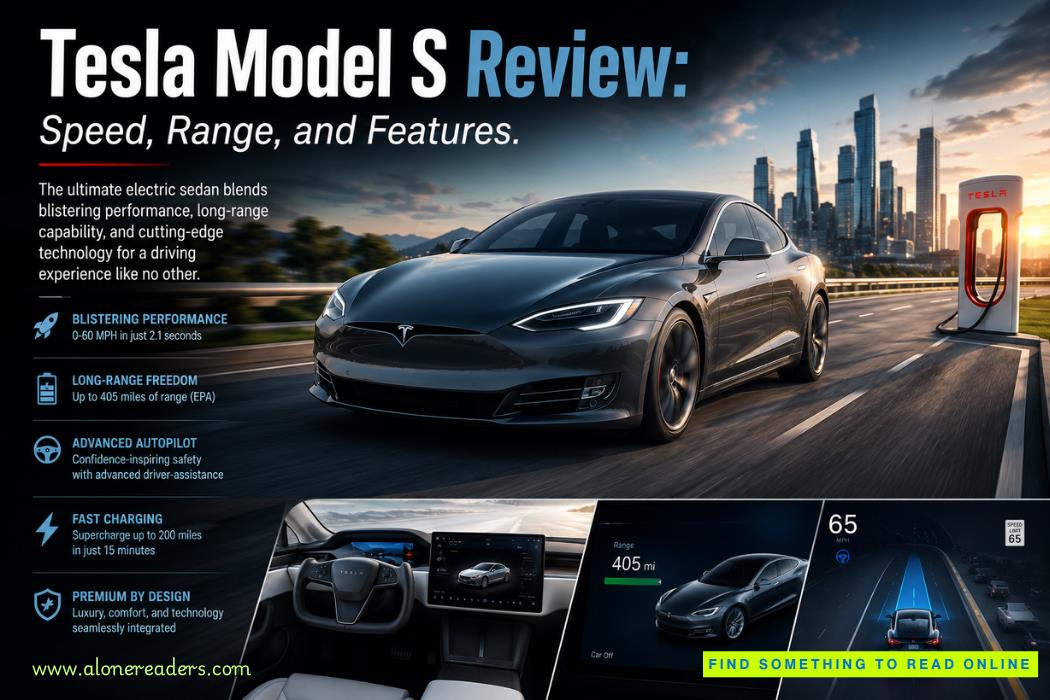 Tesla Model S Review: Speed, Range, and Features in 2026
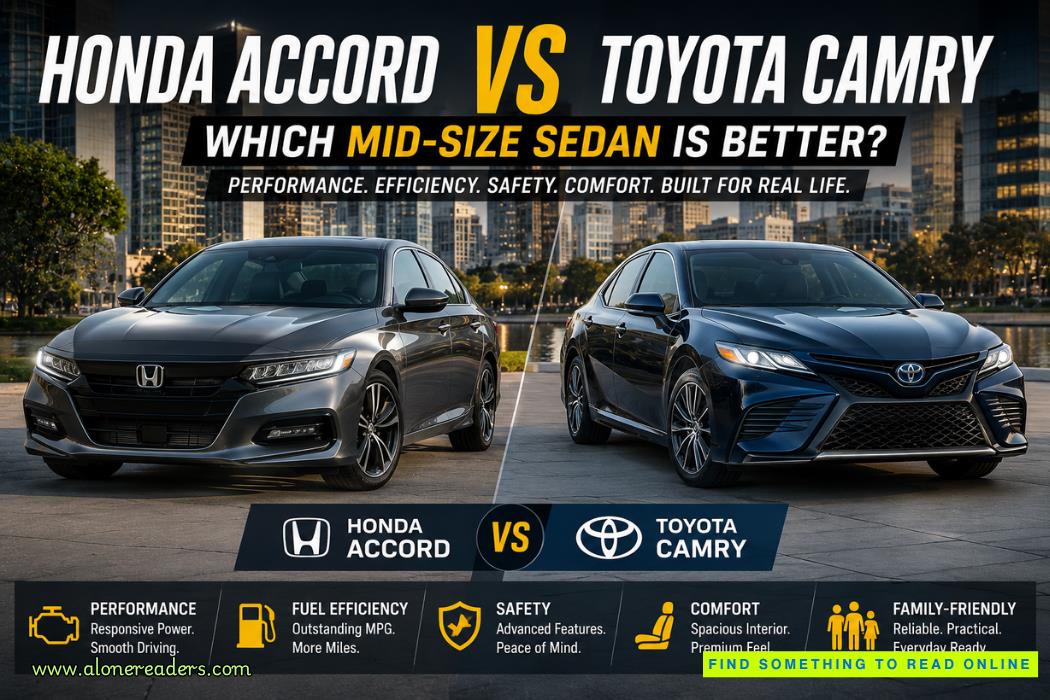 Honda Accord vs Toyota Camry: Which Mid-Size Sedan Is Better?
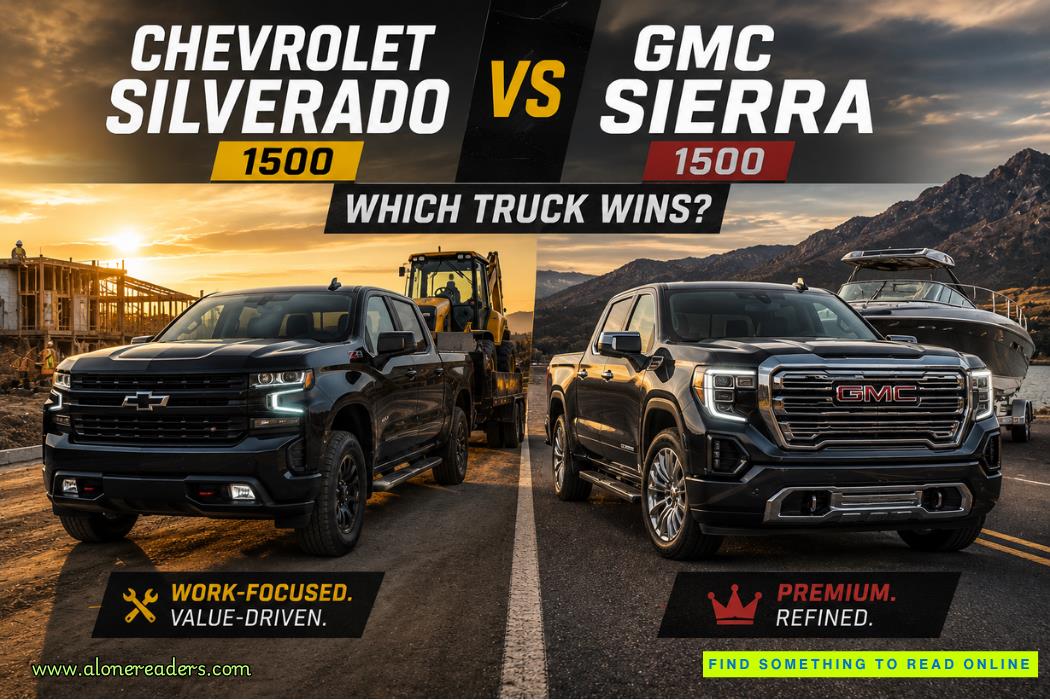 Chevrolet Silverado vs GMC Sierra: Which Truck Wins?
 2026 Jeep Wrangler Review: Off-Road Capabilities Tested in Extreme Terrain
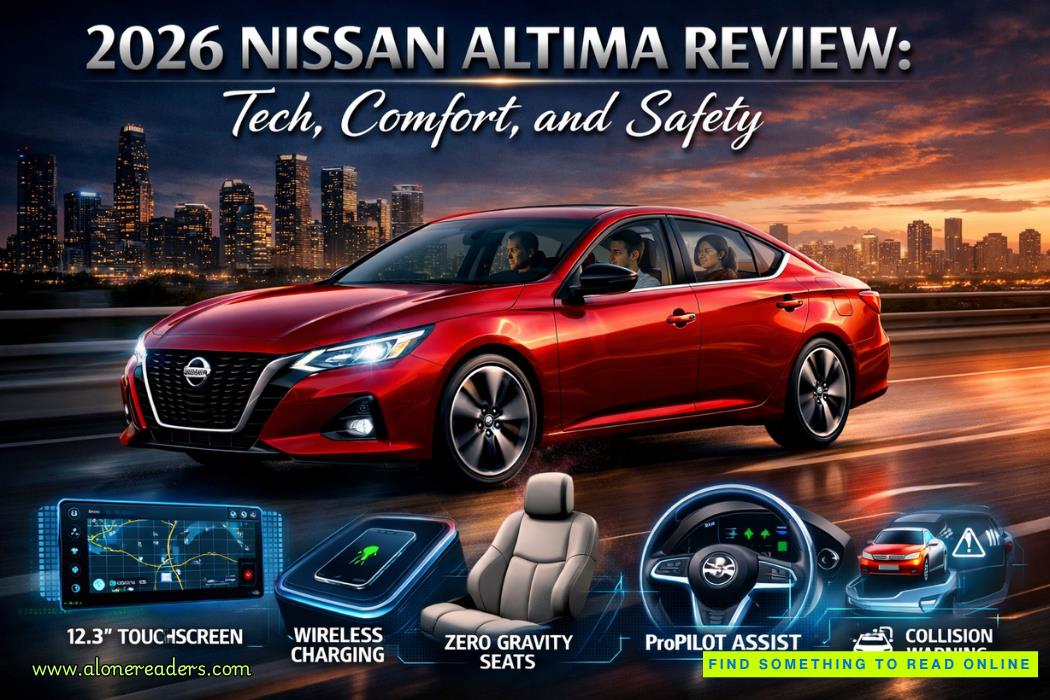 2026 Nissan Altima Review: Tech, Comfort, and Safety – In-Depth Expert Analysis