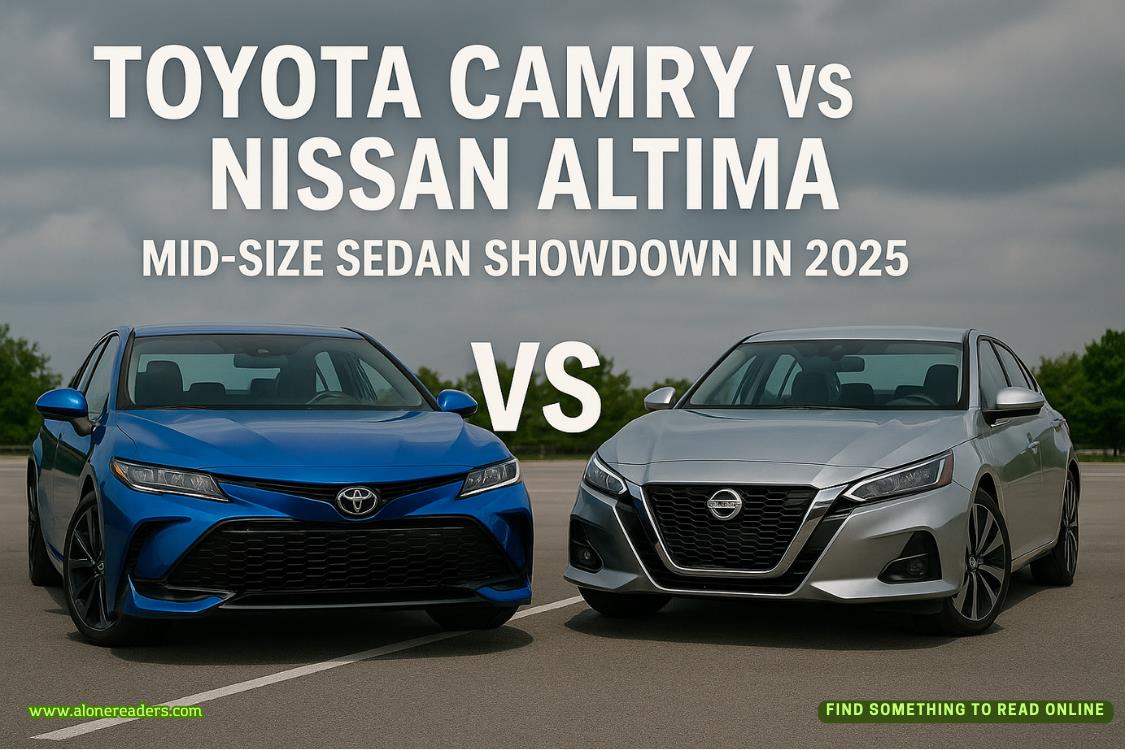
The mid-size sedan segment has long been dominated by two heavyweights: the Toyota Camry and the Nissan Altima. Both models have decades of history, strong brand recognition, and a loyal customer base. The Camry has built its reputation on reliability and refinement, while the Altima has carved out its space with bold design and available all-wheel drive, a rarity in the class. In this deep-dive analysis, we will dissect every aspect of these two sedans—design, powertrains, interior comfort, technology, safety, and long-term value—to help buyers decide which one best suits their lifestyle and driving needs.
Toyota Camry’s Conservative Sophistication
The Toyota Camry leans on subtle sophistication. Its angular front grille and slim LED headlights project a sense of maturity, while sportier trims like the SE and XSE add blacked-out accents and bolder styling cues. Toyota strikes a balance between professional appeal and athletic undertones, making the Camry a safe choice for those who prefer understated confidence.
Nissan Altima’s Bold Approach
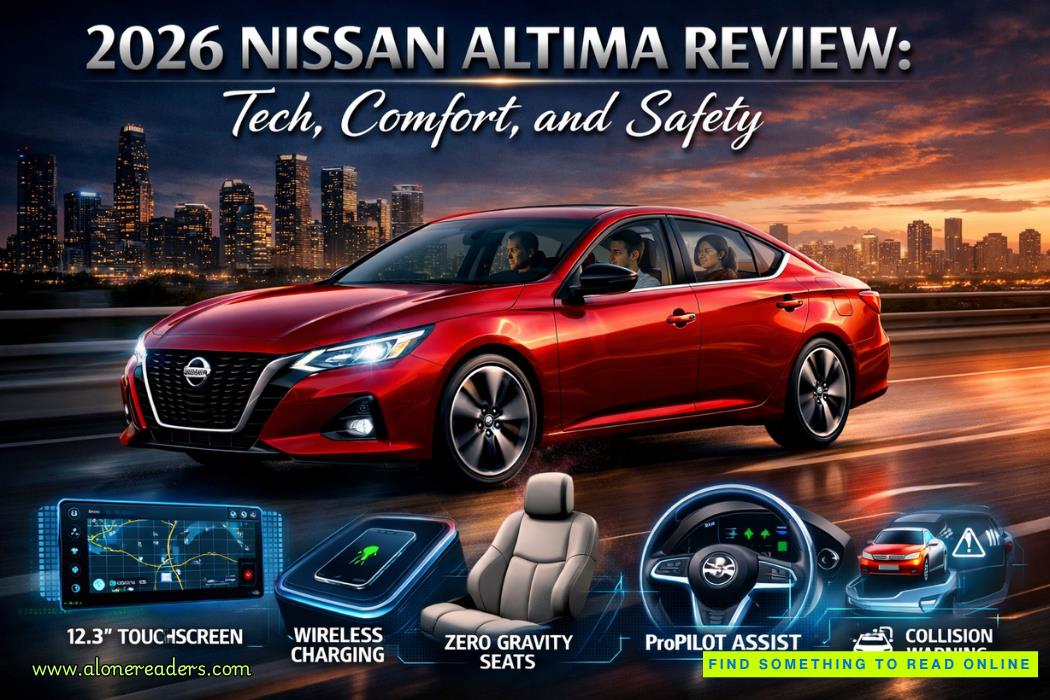
Nissan took a different route with the Altima, emphasizing a sleek, coupe-like profile and a dramatic “V-Motion” grille. Its sharp lines and floating roof design give it a sportier stance compared to the Camry. Buyers who value visual flair may gravitate toward the Altima’s more aggressive aesthetics.
Verdict on Design
The Camry appeals to buyers who want timeless design, while the Altima caters to those seeking contemporary boldness. Both offer modern appeal, but style-conscious drivers might find the Altima more striking.
Toyota Camry Engines
The Camry offers a broad spectrum of engines. The base 2.5L four-cylinder produces around 203 horsepower, delivering a refined and predictable drive. For enthusiasts, Toyota provides a 3.5L V6 generating a robust 301 horsepower, making it one of the most powerful sedans in its class. The Camry Hybrid is another strong contender, offering excellent fuel efficiency without sacrificing drive quality.
Nissan Altima Engines
Nissan’s lineup begins with a 2.5L four-cylinder producing 188 horsepower, paired with a continuously variable transmission (CVT). For performance seekers, the Altima offers a 2.0L VC-Turbo engine with 248 horsepower. While not as potent as Camry’s V6, the turbo engine is innovative, adjusting compression ratios for both performance and efficiency. Importantly, the Altima offers all-wheel drive on its base engine, giving it an edge in regions with harsh winters.
Driving Dynamics
The Camry’s V6 provides class-leading acceleration, while the Altima’s turbo balances performance with efficiency. Nissan’s CVT, however, often receives criticism for lack of responsiveness compared to Toyota’s eight-speed automatic. The availability of AWD in the Altima makes it more versatile, but for pure driving thrill, the Camry edges ahead.
Toyota Camry Cabin
Inside, the Camry emphasizes functionality and comfort. Toyota uses soft-touch materials and intuitive controls. Front seating is supportive, and rear passengers enjoy ample legroom. The cabin’s design leans toward practicality rather than flair, but build quality feels consistently premium.
Nissan Altima Cabin
The Altima’s interior is more contemporary, with a “zero-gravity” seat design aimed at reducing fatigue on long drives. Space is generous in both rows, though rear headroom is slightly tighter due to its coupe-like roofline. Interior materials are good but can feel less refined in base trims compared to Camry.
Verdict on Comfort
The Camry emphasizes durability and ergonomics, while the Altima impresses with modern styling and seat innovation. Comfort-seekers will find both competitive, though Toyota edges ahead in material quality.
Camry Tech Features
Toyota equips the Camry with a standard 7-inch touchscreen (upgradable to 9 inches), Apple CarPlay, Android Auto, and Amazon Alexa integration. Higher trims add JBL premium audio, navigation, and a head-up display. Toyota’s interface is simple, though not as flashy as competitors.
Altima Tech Features
The Altima’s infotainment is anchored by an 8-inch touchscreen, standard across all trims. Wireless Apple CarPlay is available, while Android Auto remains wired. ProPilot Assist, Nissan’s semi-autonomous driving system, adds an edge in driver-assist technology, making highway cruising more relaxed.
Comparison of Tech
While the Camry offers reliable and user-friendly tech, the Altima shines with advanced driver aids and standard screen size. Buyers prioritizing semi-autonomous features may prefer the Altima.
Toyota Camry Safety
Toyota equips every Camry with its Safety Sense 2.5+ suite, including adaptive cruise control, lane departure alert, automatic emergency braking, and pedestrian detection. Reliability is one of Camry’s strongest selling points, consistently topping long-term dependability studies.
Nissan Altima Safety
The Altima comes standard with Nissan Safety Shield 360, featuring similar systems: automatic emergency braking, blind-spot monitoring, and rear cross-traffic alert. While its safety features are robust, Nissan doesn’t match Toyota’s reputation for long-term dependability.
Verdict on Safety
Both sedans are among the safest in their segment. However, Toyota’s proven reliability and consistently higher resale values make it the safer long-term investment.
Toyota Camry Efficiency
The base four-cylinder Camry delivers up to 32 mpg combined, while the V6 achieves about 26 mpg. The Camry Hybrid stands out, offering over 50 mpg combined, making it the fuel economy leader in this comparison.
Nissan Altima Efficiency
The Altima’s four-cylinder returns around 32 mpg combined with front-wheel drive, slightly dropping with AWD. The VC-Turbo achieves about 29 mpg combined, which is competitive but still falls short of Camry’s hybrid.
Efficiency Verdict
If efficiency is a top priority, the Camry Hybrid is the undisputed winner. For AWD buyers, the Altima balances economy with capability.
Camry Value
The Camry’s starting price is slightly higher than the Altima’s, but it compensates with stronger resale value and lower long-term maintenance costs. Toyota’s reputation for durability means ownership costs remain predictable.
Altima Value
The Altima’s lower entry price makes it more accessible, especially for budget-conscious buyers. However, depreciation rates are steeper, and Nissan’s brand image does not hold the same long-term value as Toyota.
Verdict on Value
While the Altima may save money upfront, the Camry offers better overall value through higher resale prices and lower long-term expenses.
Choosing between the Toyota Camry and Nissan Altima depends largely on buyer priorities. The Camry excels in reliability, resale value, hybrid efficiency, and sheer V6 power. It is the safe bet for those seeking a dependable, well-rounded sedan that delivers long-term peace of mind. The Altima, on the other hand, shines with bold design, innovative turbo technology, and the availability of all-wheel drive—a rare and valuable feature in this segment.
For buyers in snowy climates who want affordability and a sporty look, the Altima is compelling. For those prioritizing long-term value, comfort, and proven dependability, the Camry remains the benchmark. Both vehicles represent the best of what the mid-size sedan segment still has to offer in 2025.



 Top 10 Affordable Electric Cars for 2026: Best Budget EVs Worldwide
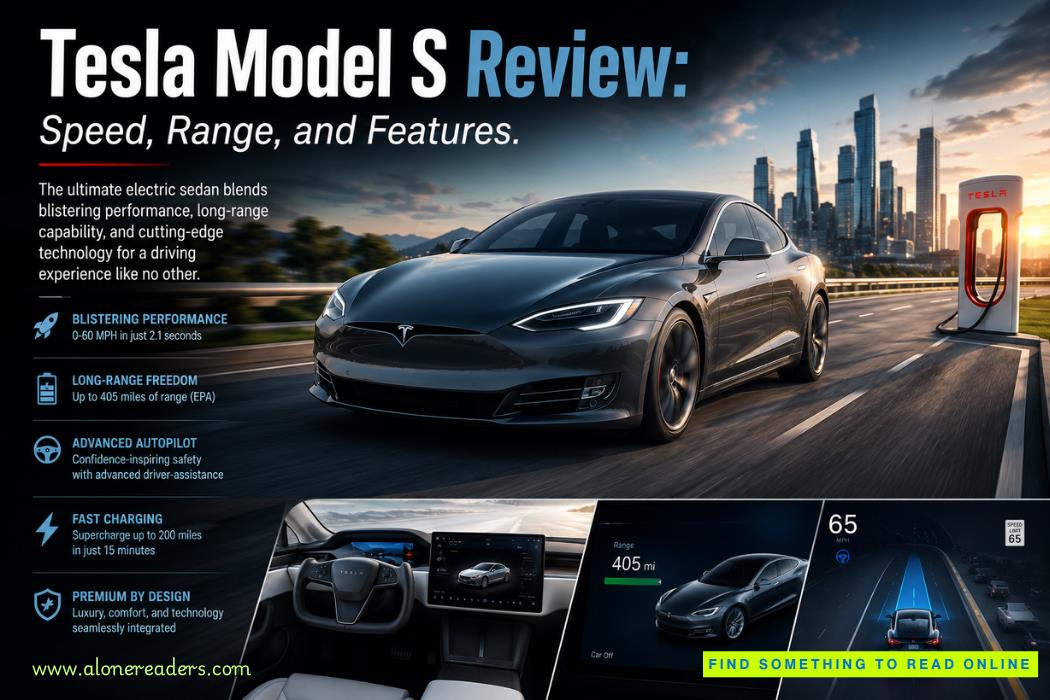 Tesla Model S Review: Speed, Range, and Features in 2026
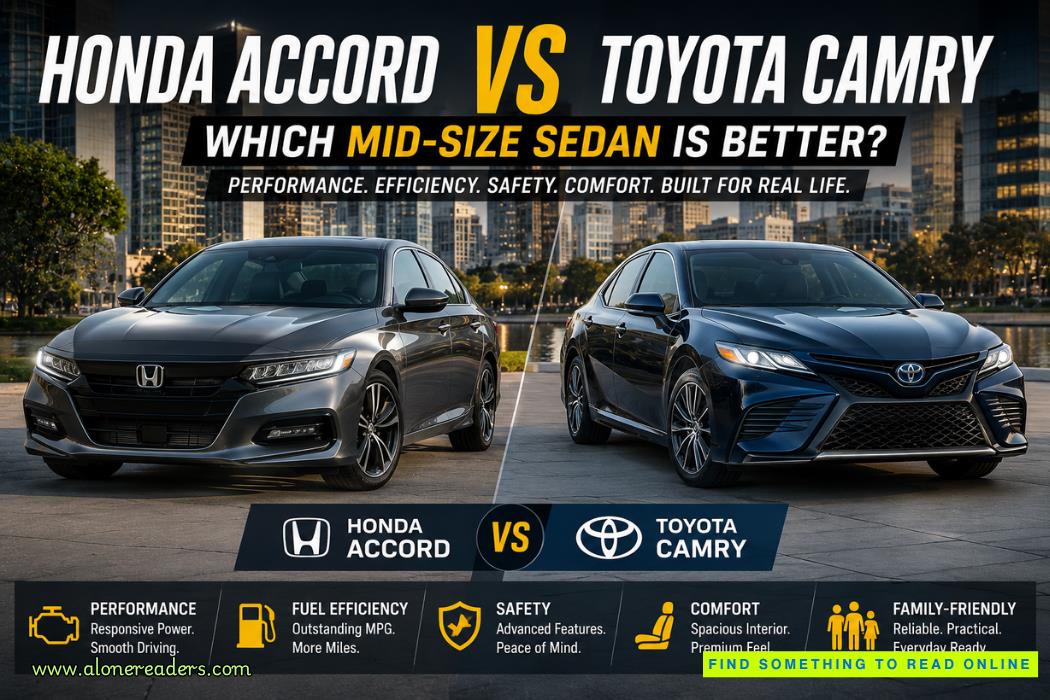 Honda Accord vs Toyota Camry: Which Mid-Size Sedan Is Better?
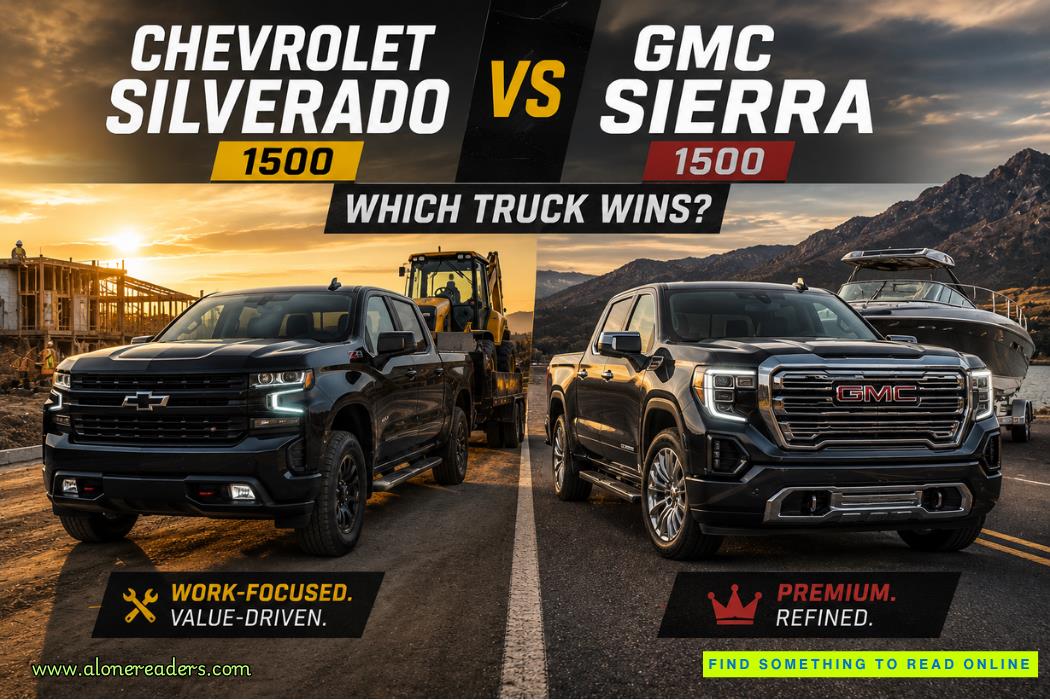 Chevrolet Silverado vs GMC Sierra: Which Truck Wins?
 2026 Jeep Wrangler Review: Off-Road Capabilities Tested in Extreme Terrain
 2026 Nissan Altima Review: Tech, Comfort, and Safety – In-Depth Expert Analysis