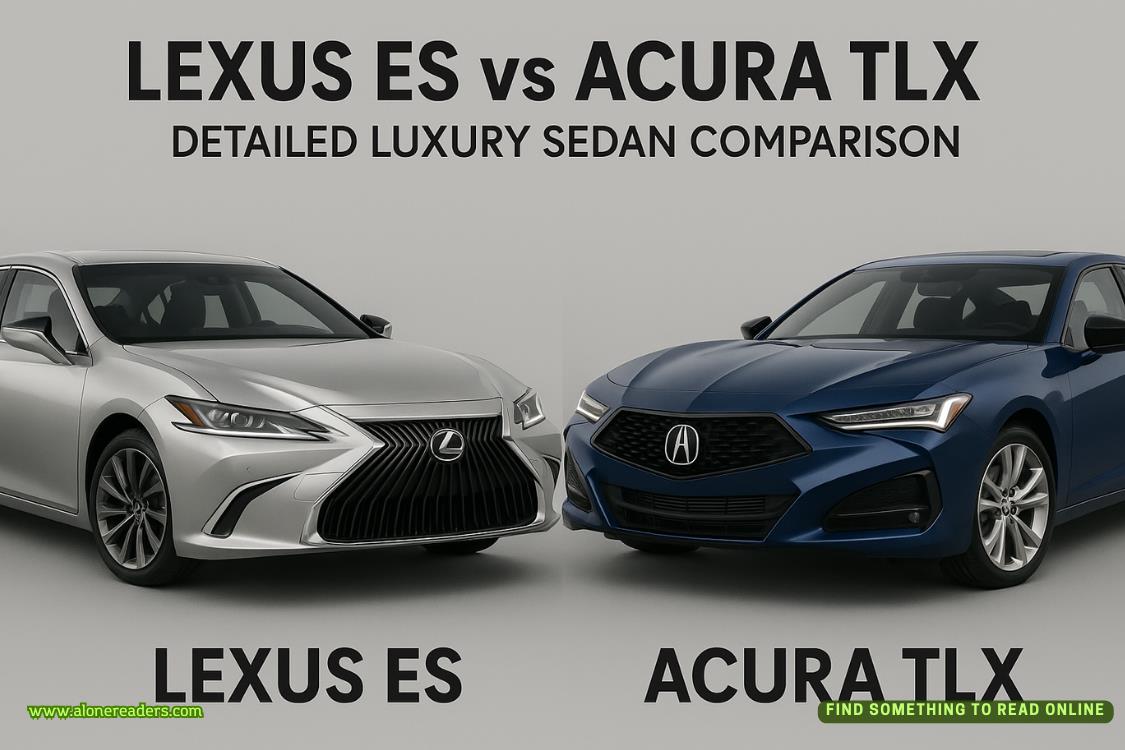
When comparing luxury sedans, two models often stand out for shoppers who want refined comfort without paying German-level prices: the Lexus ES and the Acura TLX. Both cars are crafted by brands with strong reputations—Lexus for reliability and understated luxury, and Acura for performance-oriented engineering backed by Honda’s durability. While both sedans compete in the entry-level luxury market, they cater to slightly different buyer profiles. This detailed comparison explores styling, performance, technology, comfort, safety, and overall value to help buyers make an informed decision.
Exterior Presence
The Lexus ES carries a conservative yet elegant design, centered on its signature spindle grille and sweeping lines that emphasize refinement over aggression. It projects a businesslike, polished aesthetic appealing to buyers who prefer timeless styling. In contrast, the Acura TLX adopts a sportier profile with a low stance, wide track, and sharp body creases. Acura’s Diamond Pentagon grille and aggressive LED lighting give it a dynamic and performance-focused appearance.
Interior Layout
Inside, the Lexus ES favors simplicity, soft-touch materials, and a calm cabin atmosphere. Its interior design prioritizes relaxation, with flowing lines and an emphasis on passenger comfort. The TLX interior, however, reflects Acura’s sport-inspired approach. Angled controls, a driver-focused cockpit, and bold trim accents create an environment that feels more performance-centric. The TLX’s cabin feels tighter but more engaging, while the ES emphasizes openness and serenity.
Engine Options
The Lexus ES typically offers a naturally aspirated 2.5-liter four-cylinder in base trims, a hybrid ES 300h with excellent fuel economy, and a 3.5-liter V6 in higher trims. Power delivery in the V6 is smooth and linear, more suited for highway cruising than spirited driving. The Acura TLX comes standard with a 2.0-liter turbocharged four-cylinder, producing higher torque at lower RPMs compared to the ES’s base engine. For enthusiasts, the TLX Type S delivers a 3.0-liter turbocharged V6 producing well over 350 horsepower, paired with Acura’s Super Handling All-Wheel Drive (SH-AWD) system.
Ride and Handling
The ES prioritizes comfort with its soft suspension tuning, making it an ideal long-distance cruiser. It absorbs bumps gracefully and keeps cabin noise at bay, but this comes at the expense of handling sharpness. Acura’s TLX, conversely, shines in dynamic performance. Its steering is sharper, body roll is better controlled, and the available SH-AWD system distributes torque for superior cornering. While the Lexus excels in smoothness, the Acura rewards drivers who value responsiveness and agility.
Seating and Cabin Comfort
The Lexus ES offers generous rear-seat space, making it more practical for passengers who frequently ride in the back. Its seats are wide, cushioned, and optimized for relaxation. In contrast, the TLX’s rear legroom is more limited, which can be a drawback for families or executives using the sedan for chauffeured rides. The TLX’s front seats, however, provide greater bolstering and support, reflecting its sport-oriented philosophy.
Noise Insulation
Lexus is renowned for its cabin quietness, with the ES benefiting from extensive sound-deadening materials and laminated glass. The TLX is reasonably quiet but allows more road and engine noise to seep in, which some enthusiasts might appreciate as it enhances driving engagement.
Infotainment Systems
The Lexus ES employs a wide touchscreen with an optional Remote Touch Interface trackpad. While the system offers rich functionality, it has faced criticism for being less intuitive than direct touch or rotary systems. Acura equips the TLX with a centrally mounted touchscreen, angled toward the driver, making it easier to interact with on the move. Both vehicles offer Apple CarPlay and Android Auto, though wireless connectivity is smoother in newer TLX models.
Audio and Comfort Tech
Premium audio options are strong in both sedans. The Lexus ES features a Mark Levinson audio upgrade that delivers superb clarity. Acura counters with an ELS Studio system, known for concert-level quality and surround experience. Both sedans provide heated and ventilated seats, but Lexus tends to push comfort amenities deeper into its trim lineup, whereas Acura balances comfort and sport in mid-tier trims.
Standard Safety Suites
Lexus Safety System+ 2.5 is standard across all ES trims, including adaptive cruise control, lane tracing assist, road sign recognition, and pre-collision braking. AcuraWatch is standard on all TLX models, providing similar features such as collision mitigation braking, lane keeping assist, and adaptive cruise control.
Crash Test Ratings
Both sedans perform strongly in crash safety, often earning top ratings from IIHS and NHTSA. However, Lexus’s focus on passive safety and durability aligns with its long-standing reputation, while Acura emphasizes active safety technologies paired with dynamic handling advantages for accident avoidance.
Fuel efficiency favors the Lexus ES, especially with the hybrid ES 300h achieving over 40 mpg combined in real-world driving. The base ES four-cylinder is also economical, though less engaging. Acura’s turbocharged engines, while efficient for their output, cannot match the hybrid’s economy. The TLX Type S, though thrilling, trades efficiency for performance, averaging in the mid-20s mpg range.
Base Pricing
The Lexus ES typically starts at a slightly higher price point than the Acura TLX, but Lexus includes more comfort-focused features from the base trim. The TLX undercuts the ES initially, appealing to buyers looking for a premium badge at a lower entry cost.
Resale and Reliability
Lexus has one of the strongest reputations in the industry for long-term reliability and resale value. The ES, in particular, is often cited as one of the most dependable luxury sedans. Acura also benefits from Honda’s reliability engineering, but long-term depreciation tends to be steeper compared to Lexus. Buyers seeking lasting value are more likely to lean toward the ES.
The Lexus ES is best suited for buyers who prioritize serenity, reliability, and passenger comfort. It appeals to professionals and retirees who want a luxury sedan for daily commuting and long trips without worrying about maintenance headaches.
The Acura TLX, by contrast, is designed for younger or more enthusiastic drivers who value sharp handling, engaging design, and the availability of a performance variant. It makes sense for those who want a sportier personality in a daily driver without stepping into a German luxury car price bracket.
Both the Lexus ES and Acura TLX bring unique strengths to the entry-level luxury sedan market. The ES stands out for its refined comfort, spacious interior, exceptional fuel economy (especially in hybrid form), and unmatched reliability. It’s the choice for those who equate luxury with peace of mind and long-term ownership satisfaction.
The TLX, on the other hand, offers a sportier, more engaging drive with aggressive styling and performance credentials that Lexus does not attempt to match in this segment. The availability of the Type S variant underscores Acura’s commitment to enthusiasts seeking thrills without sacrificing everyday usability.
Ultimately, the decision depends on personal priorities: serenity and dependability favor the Lexus ES, while dynamic performance and driver engagement point toward the Acura TLX. Both are compelling, but they reflect different philosophies of what a luxury sedan should deliver.



 Top 10 Affordable Electric Cars for 2026: Best Budget EVs Worldwide
 Tesla Model S Review: Speed, Range, and Features in 2026
 Honda Accord vs Toyota Camry: Which Mid-Size Sedan Is Better?
 Chevrolet Silverado vs GMC Sierra: Which Truck Wins?
 2026 Jeep Wrangler Review: Off-Road Capabilities Tested in Extreme Terrain
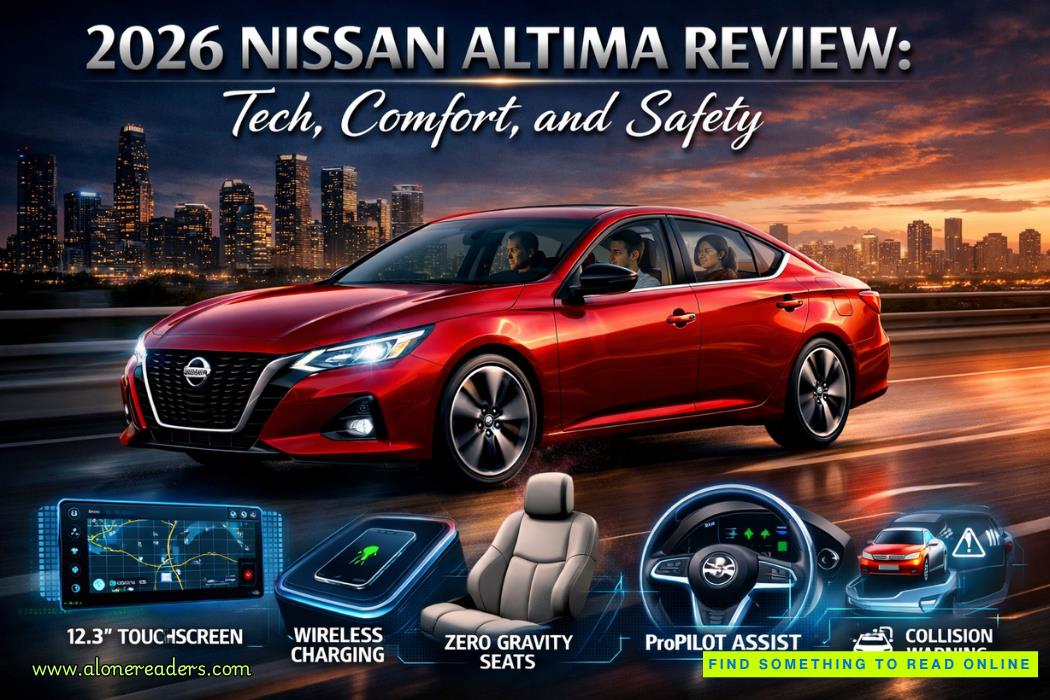 2026 Nissan Altima Review: Tech, Comfort, and Safety – In-Depth Expert Analysis










