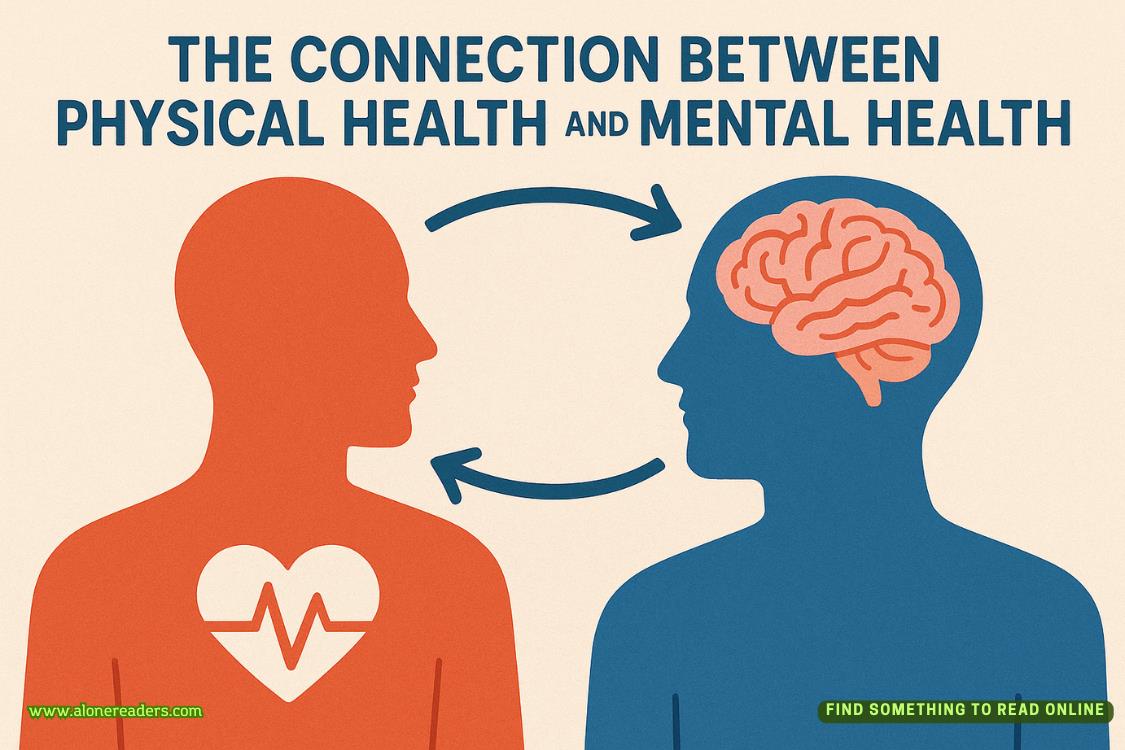
The connection between physical health and mental health has been widely recognized by researchers, healthcare professionals, and individuals who experience the complex interplay between body and mind. Physical health encompasses the state of the body, including aspects such as exercise, nutrition, sleep, and overall lifestyle. Mental health involves emotional, psychological, and cognitive well-being, influencing how people think, feel, and behave in their daily lives. While these two dimensions of health are often treated separately, they are deeply interconnected, and improvements in one area can significantly benefit the other. Understanding this relationship is essential for promoting holistic wellness and creating healthier lives.
One of the most visible links between physical and mental health is exercise. Regular physical activity is known to improve cardiovascular health, strengthen muscles, and enhance overall fitness. However, it also stimulates the release of endorphins, commonly referred to as “feel-good hormones,” which directly impact mood and reduce feelings of stress and anxiety. Exercise increases levels of neurotransmitters such as serotonin and dopamine, both of which play vital roles in regulating emotions. For individuals struggling with depression, even moderate activity like walking or cycling can help alleviate symptoms and improve resilience against stress. In this way, exercise acts not only as a tool for physical strength but also as a natural antidepressant.
Nutrition plays a similarly important role in bridging the gap between physical and mental health. A balanced diet rich in whole grains, lean proteins, fruits, and vegetables provides the body with essential nutrients that fuel both physical energy and cognitive performance. Deficiencies in certain vitamins and minerals, such as vitamin D, B vitamins, and omega-3 fatty acids, have been linked to higher risks of depression, anxiety, and mood disorders. Conversely, diets high in processed foods, sugar, and saturated fats can contribute to inflammation and poor gut health, both of which have been associated with mental health struggles. Recent studies suggest that the gut-brain axis, the bidirectional communication between the digestive system and the brain, plays a significant role in regulating mood, highlighting how dietary choices directly influence psychological well-being.
Sleep is another crucial factor in maintaining the mind-body connection. Physical health depends on adequate rest for recovery, immune function, and energy regulation, while mental health requires quality sleep for cognitive processes, memory consolidation, and emotional stability. Poor sleep is strongly correlated with anxiety, depression, and irritability. On the other hand, chronic mental health conditions often disrupt sleep patterns, creating a cycle of fatigue and worsening symptoms. Establishing healthy sleep routines and addressing issues such as insomnia can simultaneously improve both mental clarity and physical vitality.
Chronic illnesses further illustrate the profound interaction between physical and mental health. Conditions such as diabetes, heart disease, or chronic pain not only strain the body but also contribute to feelings of helplessness, frustration, and depression. Managing long-term physical health problems often requires lifestyle changes, medications, and continuous monitoring, which can increase psychological stress. Similarly, poor mental health can complicate the management of chronic diseases by reducing motivation for self-care, adherence to treatment plans, and engagement in healthy behaviors. Integrated healthcare approaches that address both physical and psychological aspects of chronic illness are increasingly recognized as necessary for effective treatment.
Stress serves as another critical link between the body and mind. While stress is primarily a mental and emotional response, its effects manifest physically in the form of increased blood pressure, muscle tension, weakened immunity, and higher risks of cardiovascular problems. Long-term stress can contribute to the development of serious conditions, including obesity and diabetes, by disrupting hormonal balance and encouraging unhealthy coping mechanisms such as overeating or substance abuse. Stress management techniques such as mindfulness, meditation, yoga, and deep breathing exercises not only help reduce psychological distress but also protect physical health by lowering cortisol levels and promoting relaxation.
Social connections also highlight the interplay between physical and mental well-being. Humans are inherently social beings, and supportive relationships contribute to lower risks of depression, anxiety, and loneliness. People with strong social support systems are more likely to engage in physical activities, maintain healthy routines, and recover more effectively from illnesses. Conversely, social isolation has been linked to both poorer mental health outcomes and higher risks of physical conditions such as heart disease. This demonstrates that fostering meaningful connections is as important for the body as it is for the mind.
Substance use further reinforces the dual relationship between physical and mental health. Alcohol, tobacco, and drugs may be used as coping mechanisms for stress or emotional pain, but they often worsen physical conditions and impair brain function. Substance abuse can trigger or exacerbate mental health disorders, while also increasing the likelihood of diseases such as cancer, liver damage, or cardiovascular problems. Addressing substance use therefore requires interventions that consider both physical recovery and psychological support.
Preventive healthcare plays a vital role in maintaining the balance between body and mind. Regular medical checkups, screenings, and early interventions not only detect physical health problems but also create opportunities for conversations about mental well-being. Increasingly, healthcare systems are moving toward integrated care models where doctors, psychologists, and nutritionists collaborate to treat the whole person. This holistic approach recognizes that separating physical and mental health fails to capture the reality of how interconnected they are.
Promoting overall wellness requires a proactive commitment to nurturing both body and mind. Developing habits such as exercising regularly, eating nutritious meals, getting enough rest, practicing mindfulness, and maintaining positive social relationships can create a foundation for resilience and balance. Importantly, individuals should seek professional help when necessary, as therapy, counseling, or medical care can provide essential support for long-term well-being. By viewing physical and mental health not as separate entities but as two sides of the same coin, people can create sustainable paths toward healthier, happier lives.
Ultimately, the connection between physical health and mental health is undeniable. The two influence each other in ways that can either create cycles of growth and strength or spirals of decline and illness. Recognizing and respecting this link empowers individuals to make better lifestyle choices, healthcare systems to adopt more comprehensive models, and societies to prioritize wellness as a whole. When physical and mental health are seen as interdependent, people gain the tools to not only survive but thrive, fostering lives of balance, energy, and emotional fulfillment.



 The Power of Positive Thinking: How to Cultivate Optimism for Lasting Success
 Mindfulness Practices to Enhance Mental Health: Science-Backed Techniques for Emotional Resilience
 Pavlova Christmas Tree – A Light, Festive & Stunning Holiday Dessert
 Sticky Glazed Christmas Chicken – A Sweet and Savory Delight for the Holiday Table
 Gingerbread Biscuits and Cakes – A Complete Festive Recipe Guide
 Beef Wellington – A Masterpiece Main Dish for Special Occasions