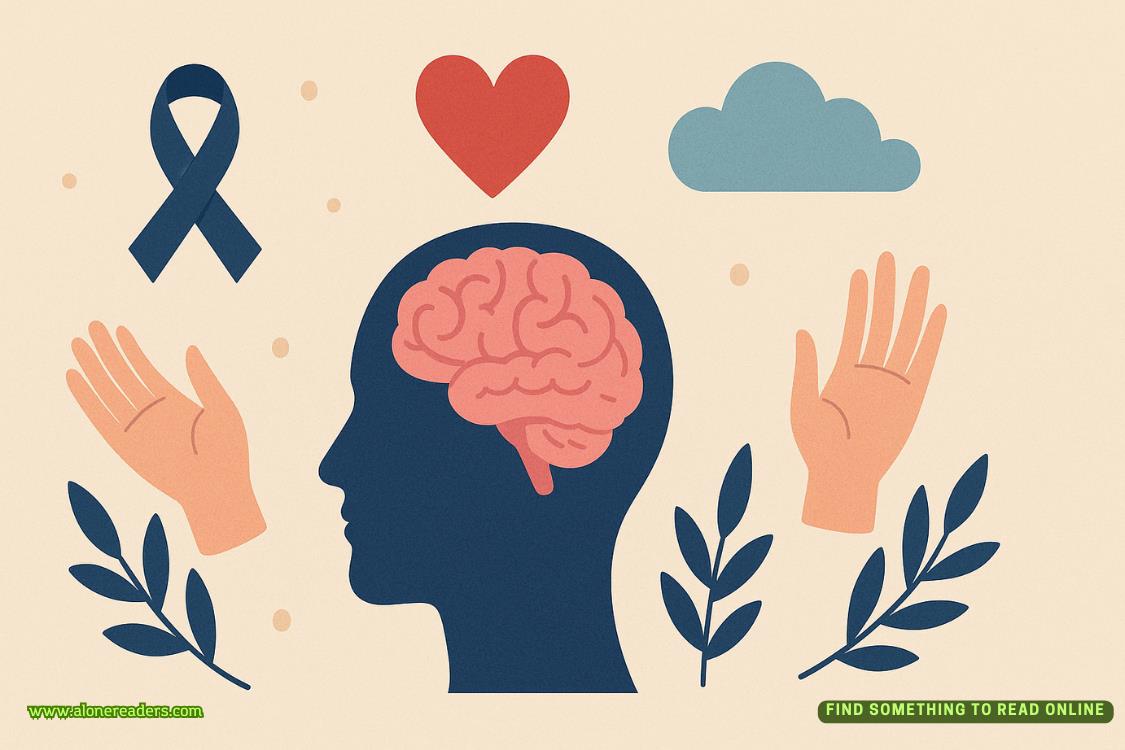
In today’s rapidly evolving world, mental health has become one of the most significant aspects of overall well-being. While physical health has long been prioritized, society is now beginning to recognize that mental health plays an equally critical role in determining quality of life. The fast pace of modern living, constant exposure to social media, economic pressures, and changing family dynamics all contribute to stress, anxiety, and depression. These challenges make mental health awareness more important than ever before. Awareness ensures that individuals understand their own needs, recognize when they require help, and feel empowered to seek support without fear of stigma. It also helps build communities that are more compassionate, inclusive, and resilient.
Raising awareness of mental health issues not only benefits individuals but also has far-reaching effects on families, workplaces, and societies as a whole. When people are educated about mental health, they can detect early signs of struggles in themselves or others, which allows for timely intervention. Early detection reduces the risk of long-term psychological difficulties and can prevent crises that might otherwise lead to severe consequences. Schools, universities, and workplaces that promote mental health education often create environments where individuals feel safe to discuss challenges, which ultimately strengthens the entire community.
One of the most profound benefits of mental health awareness is its role in breaking down stigma. For generations, mental illness has been treated as a taboo subject, often associated with weakness or instability. This stigma has discouraged many people from seeking help, forcing them to suffer in silence. Awareness campaigns, open discussions, and advocacy efforts have begun to change this narrative. By normalizing conversations around anxiety, depression, post-traumatic stress disorder, and other conditions, society reduces the shame associated with mental health struggles. This shift encourages more people to pursue therapy, medication, or other forms of treatment, knowing that they will not be judged or marginalized.
Mental health awareness also promotes emotional intelligence and empathy within society. When individuals understand that mental struggles are common and often invisible, they become more compassionate toward others. This compassion strengthens relationships and fosters supportive networks. For instance, when a workplace prioritizes employee mental health, it creates a culture of trust and cooperation. Managers who are trained to recognize signs of burnout can offer resources or accommodations before problems escalate. Employees who feel supported are more productive, loyal, and innovative, which in turn benefits the organization’s success. Similarly, families that acknowledge the importance of emotional well-being can communicate more effectively and develop stronger bonds.
In today’s society, one of the pressing reasons to emphasize mental health awareness is the rise of mental health challenges among young people. Adolescents and young adults are increasingly vulnerable to stress from academic competition, financial uncertainty, and the constant comparisons fostered by social media. Suicide rates and cases of self-harm have risen in many parts of the world, underscoring the urgency of intervention. Awareness programs in schools and colleges can provide students with coping mechanisms, stress management skills, and access to counseling. By investing in the mental health of younger generations, society ensures a healthier and more resilient future.
The economic benefits of mental health awareness should not be overlooked. Untreated mental health conditions often lead to absenteeism, reduced productivity, and high healthcare costs. According to global health studies, depression and anxiety disorders alone cost the world economy billions of dollars annually due to lost productivity. By promoting awareness and providing accessible mental health resources, societies can reduce these economic burdens. Employers who invest in employee wellness programs not only improve workplace morale but also see measurable returns through reduced turnover and improved efficiency. Governments that allocate funds to mental health services ultimately save money by preventing crises that would otherwise require emergency interventions.
Technology also plays a crucial role in modern mental health awareness. The availability of online counseling platforms, mobile apps for meditation and stress management, and social media campaigns dedicated to mental health education has revolutionized how people access support. These tools make resources more accessible, especially for individuals in remote areas or those who may feel uncomfortable with face-to-face interactions. However, awareness is vital to ensure that people use these tools responsibly and distinguish between professional help and general wellness advice. Public education about the benefits and limitations of digital mental health solutions ensures that technology complements, rather than replaces, professional care.
Another important aspect of awareness is the promotion of self-care practices. While professional therapy and medication are critical for many individuals, self-care strategies such as mindfulness, physical activity, adequate rest, and maintaining social connections are equally essential. Awareness campaigns that highlight these practices empower individuals to take daily steps toward maintaining their mental health. By encouraging balance between work, leisure, and relationships, society can prevent stress from escalating into more severe conditions. Self-care is not a luxury but a necessity, and awareness helps people view it as an integral part of healthy living.
Global crises such as the COVID-19 pandemic have further highlighted the importance of mental health awareness. Lockdowns, social isolation, economic disruptions, and uncertainty about the future led to a surge in cases of anxiety, depression, and loneliness. Many people who had never experienced mental health issues before suddenly found themselves struggling. This experience reinforced the universal nature of mental health challenges and the need for open dialogue, accessible resources, and supportive communities. By learning from such crises, societies can be better prepared to address the psychological impact of future challenges.
Ultimately, mental health awareness is about creating a culture where people feel safe, valued, and supported. It requires collaboration among governments, healthcare providers, educators, employers, families, and individuals. Campaigns, workshops, media initiatives, and everyday conversations all contribute to changing how society views mental health. When awareness grows, resources become more accessible, stigma decreases, and individuals gain the confidence to prioritize their well-being. The ripple effect is powerful: healthier individuals lead to stronger families, more productive workplaces, and more compassionate societies.
The importance of mental health awareness in today’s society cannot be overstated. As modern life continues to present new challenges, from digital overload to economic stress, the need for strong mental health support grows. Awareness is the foundation upon which solutions are built, providing the knowledge, empathy, and action required to create a healthier world. By continuing to advocate for mental health, reduce stigma, and promote access to resources, societies can ensure that every individual has the opportunity to live a fulfilling and balanced life.

October 25, 2023

January 02, 2025



 The Power of Positive Thinking: How to Cultivate Optimism for Lasting Success
 Mindfulness Practices to Enhance Mental Health: Science-Backed Techniques for Emotional Resilience
 Pavlova Christmas Tree – A Light, Festive & Stunning Holiday Dessert
 Sticky Glazed Christmas Chicken – A Sweet and Savory Delight for the Holiday Table
 Gingerbread Biscuits and Cakes – A Complete Festive Recipe Guide
 Beef Wellington – A Masterpiece Main Dish for Special Occasions
 The Abu Ghraib Scandal, Iraq, 2004: A Human Rights Disaster That Shook the World
 The Disbanding of the CNRP, Cambodia, 2017: Hun Sen's Clampdown on Democracy and the Reshaping of Cambodian Politics
 The Firing of James Comey, United States, 2017: Trump's Controversial Decision Amid FBI Investigation
 The Rwandan Refugee Crisis, Central Africa, 1994: Aftermath of Genocide and the Humanitarian Catastrophe
 The Most Important Turning Points of the Battle of Hastings (1066)
 Why William Won the Battle of Hastings and Harold Lost: Strategy, Leadership and Fate in 1066
 How King Harold II Died: Facts, Myths, and Historical Debate
 The Battle of Hastings: A Complete Timeline of the Fighting
 High-End Talent Category A Work Permit China 2026: Complete Eligibility, Benefits, Application Process, and Expert Guide
 Cultural Activities Visa Japan 2026 Guide: Complete Eligibility, Requirements, Application Process, and Expert Tips