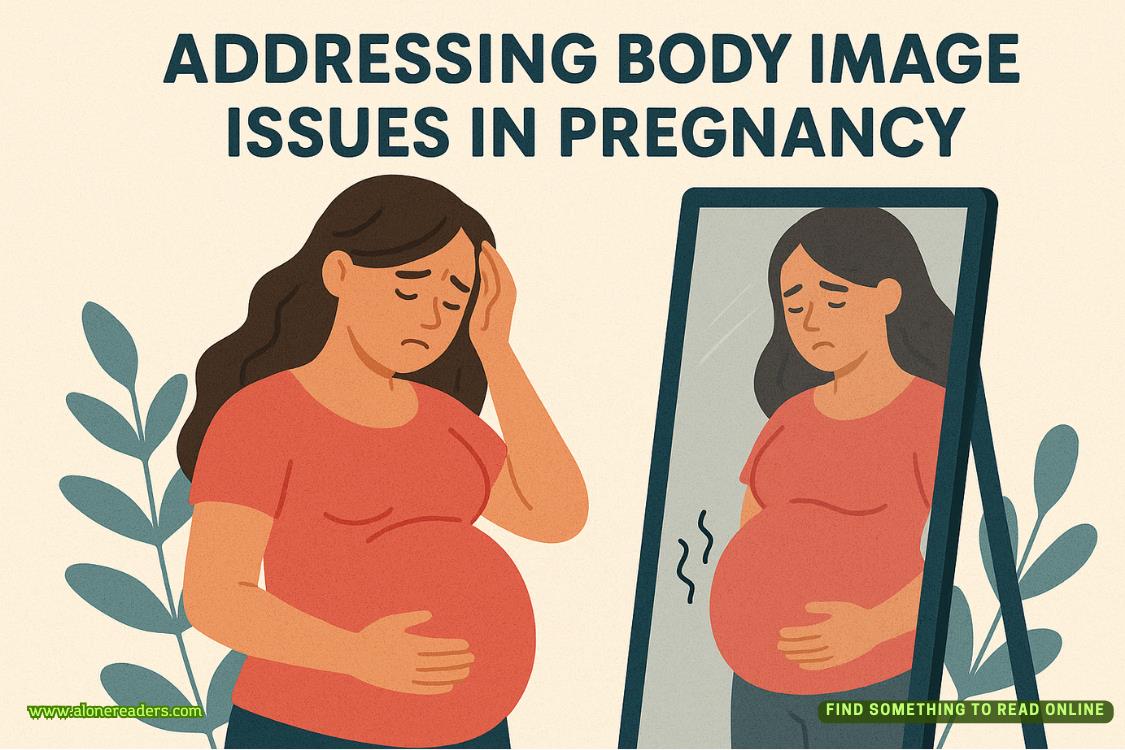
Pregnancy is one of the most transformative periods in a woman’s life, yet along with its profound joy and anticipation, it often brings complex emotions related to body image. The physical changes of pregnancy are rapid, visible, and sometimes overwhelming. While society celebrates pregnancy as a symbol of life and growth, the reality for many expectant mothers is a struggle with body image concerns that can affect their self-esteem, mental health, and even maternal-fetal bonding. Addressing body image issues in pregnancy requires both awareness and deliberate strategies to support women emotionally and psychologically during this unique journey.
Cultural and societal expectations
Modern culture often idealizes slim, toned bodies, creating an unrealistic benchmark for women. Pregnant women may feel torn between embracing their changing shape and fearing judgment or loss of attractiveness. Media often showcases “perfect” pregnancy bodies that bounce back immediately postpartum, setting harmful standards.
Personal identity and body changes
For many women, self-image is tied deeply to their physical body. As pregnancy progresses, features such as weight gain, stretch marks, swelling, or skin changes can create a sense of loss of control. These changes may feel unfamiliar and even alienating, particularly for women who previously felt secure in their physical appearance.
History of body image struggles
Women with a history of disordered eating, weight concerns, or low self-esteem are more vulnerable to intensified body image issues during pregnancy. The combination of rapid physical change and heightened social attention on appearance can trigger old anxieties.
Maternal mental health
Negative body image in pregnancy can contribute to anxiety, depression, or feelings of isolation. These emotional struggles can interfere with a mother’s ability to enjoy her pregnancy and may even complicate postpartum recovery.
Relationship strain
Concerns about attractiveness can lead to tension in intimate relationships. Pregnant women may withdraw emotionally or physically from their partners, fearing judgment or rejection.
Bonding with the baby
Persistent body image distress can reduce positive maternal-fetal attachment. When a mother’s focus is dominated by dissatisfaction with her body, it becomes harder to fully embrace the emotional journey of pregnancy.
1. Reframing the narrative
Instead of focusing solely on appearance, women can practice reframing their thoughts to appreciate the body for its functionality. Pregnancy is an extraordinary biological process, and consciously recognizing the body’s capacity to nurture life can shift perspective from aesthetics to purpose.
2. Supportive healthcare communication
Doctors, midwives, and nurses play a pivotal role. Language matters—using terms like “healthy weight gain” rather than “too much weight” can ease anxiety. Healthcare providers should explain expected physical changes, helping women normalize what they are experiencing.
3. Practical self-care practices
Engaging in gentle physical activities such as prenatal yoga, swimming, or walking can help women maintain a positive relationship with their bodies. These activities support both physical health and emotional regulation while reinforcing body appreciation.
4. Clothing and comfort
Investing in maternity clothes that fit well and feel comfortable allows women to embrace their shape rather than hide it. Wearing clothes designed for pregnancy can boost confidence and reduce self-consciousness.
5. Limiting harmful media exposure
Pregnant women benefit from reducing exposure to social media accounts or magazines that promote unrealistic pregnancy body ideals. Instead, curating supportive online communities or following body-positive accounts can reinforce healthier perspectives.
6. Emotional support systems
Partners, family, and friends should be educated about body image struggles during pregnancy. Affirmations, empathy, and nonjudgmental listening can provide significant reassurance. Group therapy or pregnancy support groups may also help normalize the experience and reduce feelings of isolation.
Validation and reassurance
A partner’s role is critical. Genuine affirmations, such as acknowledging strength, beauty, and resilience, help counterbalance self-criticism. Small gestures—compliments, physical affection, or supportive communication—reinforce the message that attractiveness and worth extend beyond appearance.
Active participation
Involving partners in prenatal appointments, exercise routines, or even maternity shopping can help share responsibility for the journey. This reduces the pressure women may feel to “look perfect” and encourages shared celebration of physical changes.
Therapeutic support
If body image concerns escalate into significant distress, counseling with a psychologist or perinatal mental health specialist can be invaluable. Cognitive Behavioral Therapy (CBT) and mindfulness-based interventions have shown effectiveness in addressing distorted body image and anxiety.
Nutrition and lifestyle counseling
Registered dietitians specializing in pregnancy can provide balanced guidance on nutrition without emphasizing restrictive practices. The goal should be health and nourishment, not weight control.
Postpartum preparation
Preparing women for the realities of postpartum body changes helps reduce shock and disappointment. Conversations about gradual recovery, the unpredictability of “bounce-back” timelines, and the importance of self-compassion set realistic expectations.
Pregnancy challenges conventional definitions of beauty by expanding what it means to feel strong, feminine, and worthy. Stretch marks can be reframed as life’s artwork, and swelling or softness as natural adaptations of a body creating new life. Shifting the lens from criticism to reverence allows women to embrace their evolving identity with grace and confidence.
Addressing body image issues in pregnancy is not just about self-esteem—it is a crucial component of maternal mental health and overall well-being. By fostering supportive environments, challenging unrealistic cultural narratives, and encouraging practical strategies, society can help pregnant women embrace their bodies with compassion and pride. Every pregnancy journey is unique, and learning to honor rather than critique the body’s transformation ensures that women not only nurture new life but also nurture themselves.



 The Power of Positive Thinking: How to Cultivate Optimism for Lasting Success
 Mindfulness Practices to Enhance Mental Health: Science-Backed Techniques for Emotional Resilience
 Pavlova Christmas Tree – A Light, Festive & Stunning Holiday Dessert
 Sticky Glazed Christmas Chicken – A Sweet and Savory Delight for the Holiday Table
 Gingerbread Biscuits and Cakes – A Complete Festive Recipe Guide
 Beef Wellington – A Masterpiece Main Dish for Special Occasions