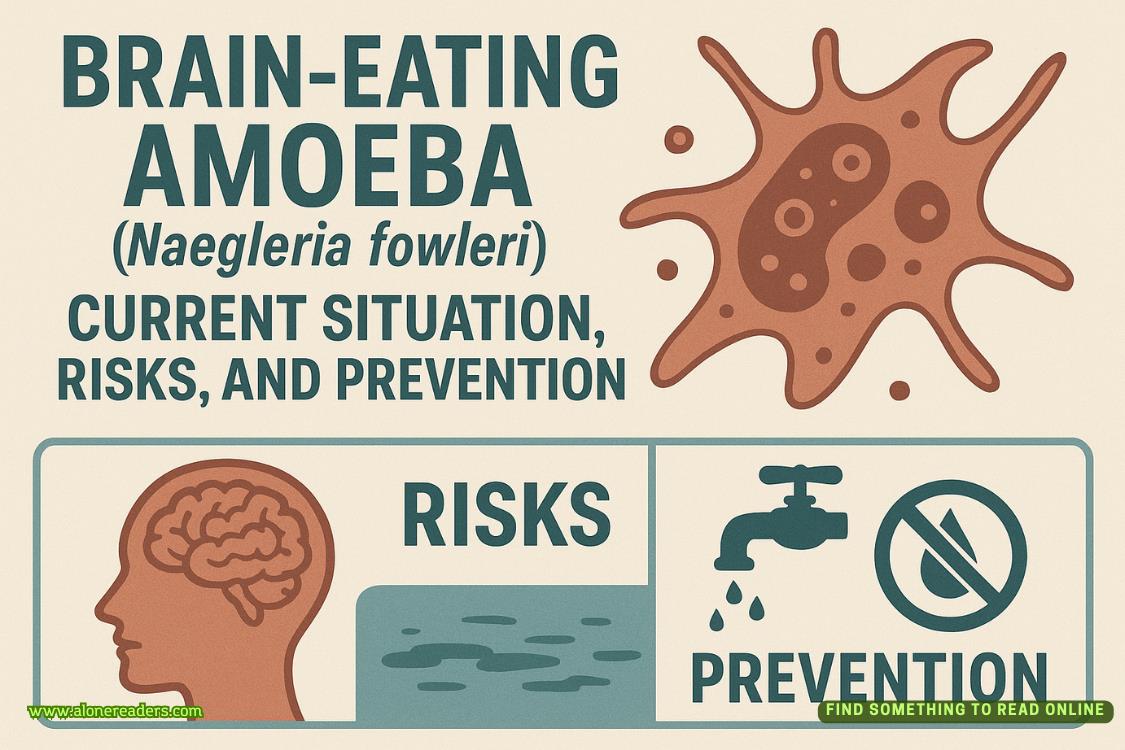
Around the world, a microscopic organism has gained infamy for its horrifying nickname—the brain-eating amoeba. Scientifically known as Naegleria fowleri, this free-living protozoan parasite is rare but almost universally fatal when it infects humans. Although the number of cases each year is small, the mortality rate is so high that every infection is a matter of serious public health concern.
A thermophilic amoeba
Naegleria fowleri is found naturally in warm freshwater environments, thriving best at temperatures between 25–40°C (77–104°F). Its preference for heat explains its presence in hot springs, warm lakes, and poorly chlorinated swimming pools.
Geographical spread
Historically, most cases were reported in the United States, particularly in southern states such as Florida, Texas, and Louisiana. However, in recent years, infections have been reported in India, Pakistan, Australia, the Middle East, and parts of Europe. Climate change and rising water temperatures are expanding the regions where this amoeba can survive.
How infection occurs
The infection begins when contaminated water enters the nose, typically during swimming, diving, or water sports. Once inside the nasal cavity, the amoeba attaches to the olfactory mucosa and migrates along the olfactory nerve directly into the brain.
What does not cause infection
The disease it causes
Once in the brain, Naegleria fowleri triggers an infection known as Primary Amoebic Meningoencephalitis (PAM). This condition is marked by severe brain inflammation and tissue destruction.
Early symptoms (days 1–3):
Advanced symptoms (days 4–6):
Outcome
The disease progresses rapidly, and death usually occurs within 5 to 7 days of symptom onset. Global mortality rates remain above 96%.
United States
The Centers for Disease Control and Prevention (CDC) reports an average of 0–8 cases per year. Most occur in southern states, often linked to recreational water exposure in summer.
India
Several cases have been reported, particularly in Kerala. Warm, stagnant freshwater sources and the use of untreated water for nasal rinsing have been implicated.
Pakistan
Karachi has recorded multiple fatalities since 2008, often linked to poor chlorination of municipal water supplies.
Australia
Cases have been associated with swimming in warm lakes and poorly maintained pools, particularly in the Northern Territory.
Middle East and Europe
Though rarer, cases have been detected in the Middle East and in southern European countries during heatwaves, highlighting the global relevance of this pathogen.
Why it is often missed
PAM symptoms are similar to bacterial or viral meningitis, which delays specific testing. By the time doctors suspect Naegleria fowleri, brain damage is often irreversible.
Diagnostic tools
Current therapeutic strategies
There is no guaranteed cure. Treatment usually involves a combination of antifungal, antimicrobial, and supportive therapies.
Drugs used include:
Experimental approaches
Some survivors have benefited from aggressive early treatment, therapeutic hypothermia (lowering body temperature to reduce brain swelling), and experimental drug regimens. Still, survival is extremely rare.
Since effective treatment is uncertain, prevention remains the only realistic safeguard.
Recommended measures:
Global warming is extending the range of Naegleria fowleri. Warmer summers mean lakes, rivers, and reservoirs in traditionally cooler regions may now support its survival. This explains emerging cases in areas previously considered low risk, including parts of Europe and North America. As climate patterns shift, the global distribution of this parasite will likely expand further.
Naegleria fowleri remains one of the deadliest microorganisms known to humans—not because it spreads easily, but because it is almost universally fatal when it infects. Though infections are rare, the increasing number of global reports underscores the importance of awareness, prevention, and rapid medical response.
For now, avoiding risky exposures in warm freshwater and ensuring safe water practices are humanity’s strongest defenses against this microscopic but devastating killer.



 The Power of Positive Thinking: How to Cultivate Optimism for Lasting Success
 Mindfulness Practices to Enhance Mental Health: Science-Backed Techniques for Emotional Resilience
 Pavlova Christmas Tree – A Light, Festive & Stunning Holiday Dessert
 Sticky Glazed Christmas Chicken – A Sweet and Savory Delight for the Holiday Table
 Gingerbread Biscuits and Cakes – A Complete Festive Recipe Guide
 Beef Wellington – A Masterpiece Main Dish for Special Occasions