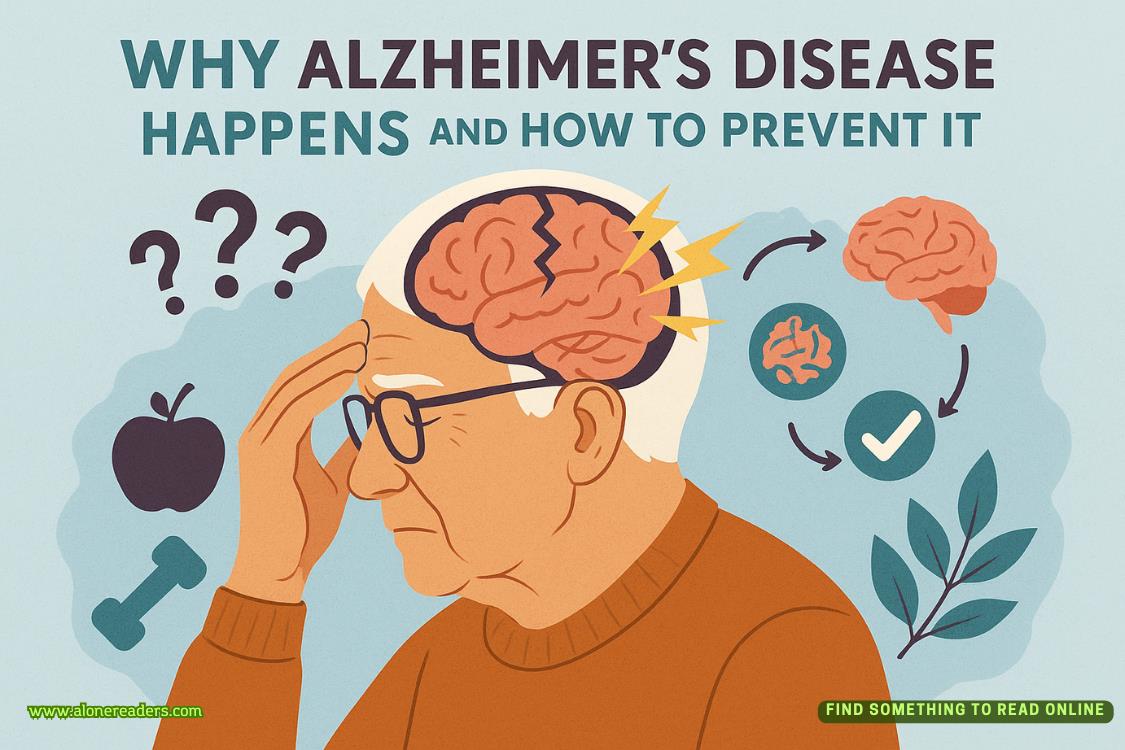
Alzheimer’s disease is a progressive neurological disorder that affects millions of people worldwide, particularly those over the age of 65. It is the most common cause of dementia, accounting for up to 70% of cases. Dementia itself is a broad term describing a decline in memory, thinking, and the ability to perform everyday activities. Alzheimer’s goes further—it gradually destroys brain cells, altering not only memory but also behavior, communication, and independence.
Unlike normal aging, where minor forgetfulness is common, Alzheimer’s disrupts brain function to the extent that patients forget familiar names, lose orientation in well-known places, and even struggle with routine tasks. Families and caregivers often face profound challenges, as the disease affects both the patient and their immediate social environment.
Abnormal Protein Build-Up
One of the strongest scientific explanations is the abnormal accumulation of proteins in the brain. Two major culprits are:
Age as a Risk Factor
The risk of Alzheimer’s increases significantly after age 65. While it is not considered a normal part of aging, advancing age allows cumulative damage and higher likelihood of abnormal protein deposits.
Genetic Predisposition
Family history plays a major role. Having a parent or sibling with Alzheimer’s increases an individual’s risk, and certain genes (like APOE-e4) make the disease more likely.
Vascular and Metabolic Conditions
Long-term illnesses such as high blood pressure, diabetes, and elevated cholesterol levels raise the risk. Poor vascular health reduces blood flow to the brain, depriving neurons of oxygen and nutrients.
Lifestyle and Environmental Factors
Chronic smoking, excessive alcohol use, poor diet, lack of mental stimulation, and inadequate sleep may accelerate the disease process.
The symptoms progress gradually, starting subtly but becoming increasingly severe over time.
As the disease advances, patients may lose the ability to recognize close family members or care for themselves, requiring full-time assistance.
At present, there is no permanent cure for Alzheimer’s. However, several treatment approaches help manage symptoms and improve quality of life:
Although age and genetics cannot be changed, many lifestyle choices significantly lower the risk of Alzheimer’s. Prevention should ideally start in mid-life.
Regular Exercise
Physical activity improves blood circulation, reduces inflammation, and stimulates new brain cell growth. A mix of aerobic exercises (like brisk walking or swimming) and strength training is recommended.
Balanced Diet
A Mediterranean-style diet rich in vegetables, fruits, whole grains, fish, olive oil, and nuts supports brain health. These foods provide antioxidants, omega-3 fatty acids, and vitamins that protect neurons.
Quality Sleep
Sleep clears out toxins from the brain, including beta-amyloid. Chronic sleep deprivation has been linked to greater Alzheimer’s risk.
Avoiding Harmful Substances
Both smoking and excessive alcohol consumption damage blood vessels and increase oxidative stress in the brain. Eliminating these habits protects long-term cognitive health.
Mental Stimulation
Learning new skills, reading, solving puzzles, playing games, and engaging in social interactions build “cognitive reserve,” allowing the brain to compensate better for age-related changes.
Managing Health Conditions
Keeping blood pressure, diabetes, and cholesterol under control through medication and lifestyle adjustments reduces risk dramatically.
Every year, 21 September is observed as World Alzheimer’s Day. The day is dedicated to raising awareness, providing education, and supporting patients and caregivers. International organizations, including Alzheimer’s Disease International, organize conferences, media campaigns, and community programs. In Bangladesh, as in many other countries, rallies, seminars, and awareness drives highlight the importance of early detection and compassionate care.
Alzheimer’s is not only a disease of the patient—it is a social and economic challenge. Families bear emotional and financial burdens, while healthcare systems face rising costs as populations age. Early diagnosis, community awareness, and investment in research are crucial to combat the growing prevalence.
Alzheimer’s disease remains one of the most pressing health challenges of our time. While a cure has not yet been discovered, science continues to make progress. Meanwhile, prevention through lifestyle choices—exercise, diet, mental activity, and controlling chronic conditions—offers the most effective protection. Equally important is empathy: supporting patients and caregivers, recognizing their struggles, and ensuring they do not face the journey alone.



 The Power of Positive Thinking: How to Cultivate Optimism for Lasting Success
 Mindfulness Practices to Enhance Mental Health: Science-Backed Techniques for Emotional Resilience
 Pavlova Christmas Tree – A Light, Festive & Stunning Holiday Dessert
 Sticky Glazed Christmas Chicken – A Sweet and Savory Delight for the Holiday Table
 Gingerbread Biscuits and Cakes – A Complete Festive Recipe Guide
 Beef Wellington – A Masterpiece Main Dish for Special Occasions